Tillage farmers told to expect 'variability' in 2026 crops costs and yields

The mounting pressure on machinery and land rental costs is one of the core themes of Teagasc’s Crops Costs and Returns 2026 booklet.
Launched at the recent National Tillage Conference, the annual publication serves as an informative guide, allowing tillage farmers to examine their costs of production while also forecasting potential crop margins.
Many of its core themes had been alluded to by Teagasc’s team of tillage specialists prior to the launch.
Alongside machinery and land rental costs, another issue well flagged-up has been the growing threat of yellow rust in 2026 winter wheat rust.
This year’s booklet makes specific provision for a T0 spray, specifically to address the potential threat posed by the disease.

This is why the Costs and Returns booklet is such a valuable publication for tillage farmers.
It is compiled by Teagasc tillage specialists, Ciaran Collins and Shay Phelan.
The booklet provides all-embracing guideline costs for the main cereal crops, both winter and spring, along with non-cereal and forage crops such as beet, maize, potatoes, beans and peas, or winter oilseed rape.
Commenting on the publication, Ciaran Collins said: “Tillage farmers are coming off the back off a challenging year for income.
"Although crop yields were relatively good for the most part, the price received for deliveries crossing the weighbridge left a lot to be desired."
According to Collins, economists in the Teagasc National Farm Survey Department are forecasting that prices will "probably remain similar to the 2025 harvest".
"So, before committing to sow this spring, farmers really need to undertake a thorough appraisal of the costs of running their businesses.
“Within the Teagasc Crops and Returns 2026, we provide farmers with guideline costs for materials, machinery costs and fixed costs to make this task easier, but farmers must factor in land suitability, rotation, risk avoidance and husbandry skills when both setting target yields for your farm and deciding on which crop to set.”
According to Shay Phelan, variability in both costs and yields has become increasingly common on tillage farms.
He said: “When assessing potential yields for your farm, we recommend reviewing past crop performance and using a three-year average to better account for year-to-year variation.”
Along with assessing crop margins through the Crops Costs and Returns 2026, tillage farmers are encouraged to complete a full financial appraisal of their business using the Teagasc Profit Monitor and Teagasc Machinery Costs Calculator to assess the strengths and weaknesses of their tillage operation.
Additionally, with margins looking variable for the year ahead, tillage growers are being encouraged to maximise guaranteed income from schemes such as Protein Aid, the Straw Incorporation Measure, Agri-Climate Rural Environment Scheme (ACRES), Farming for Water, and so on, to help their farm’s bottom-line.
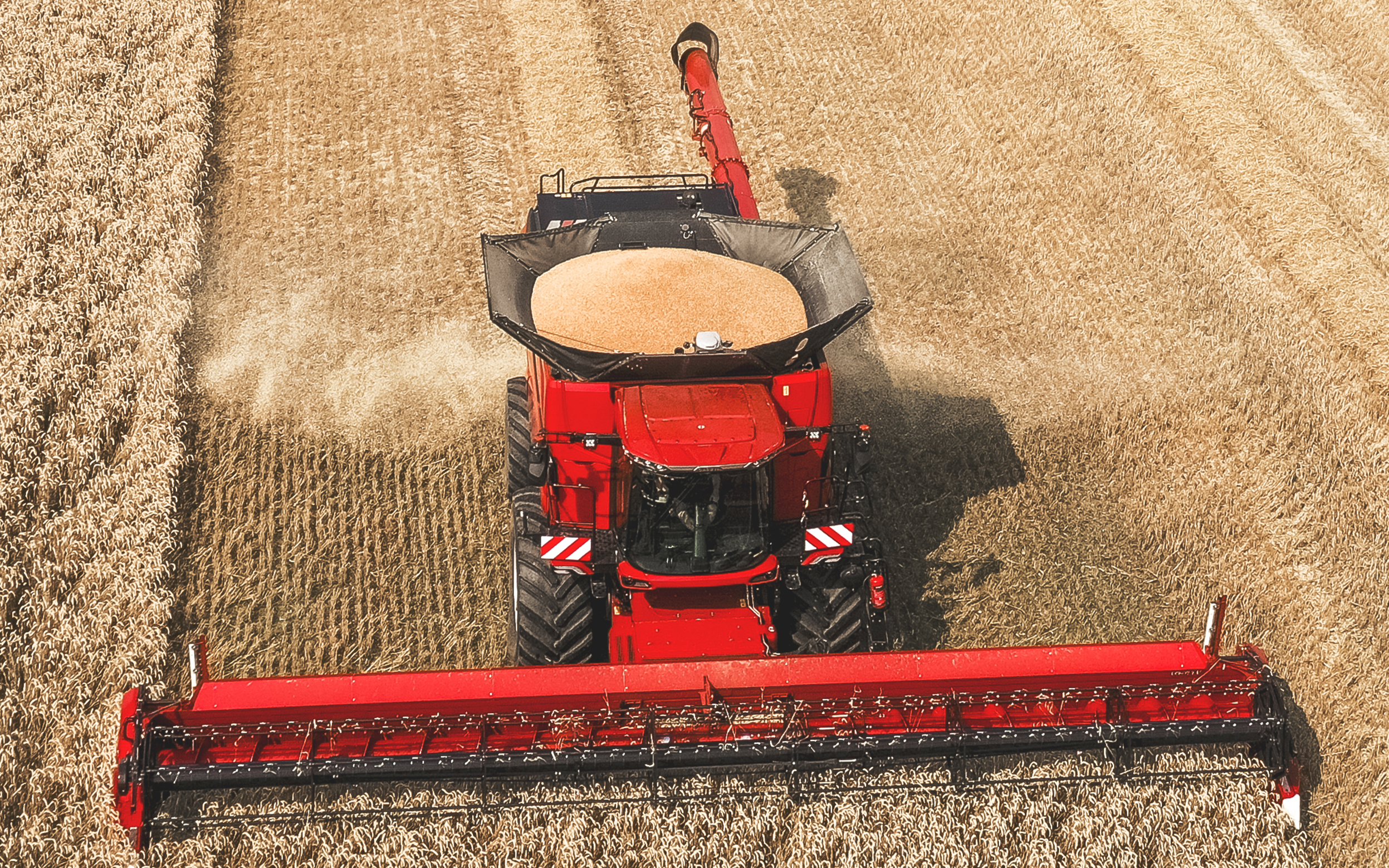
As detailed within the publication, machinery continues to be a significant expense on tillage farms.
Shay Phelan noted: “Investments in machinery require a thorough financial appraisal before any purchasing decision is taken.
"The cost of machinery is the second largest cost on tillage farms, typically about 25-30% of total growing costs.”