Tillage businesses urged to engage more with National Farm Survey

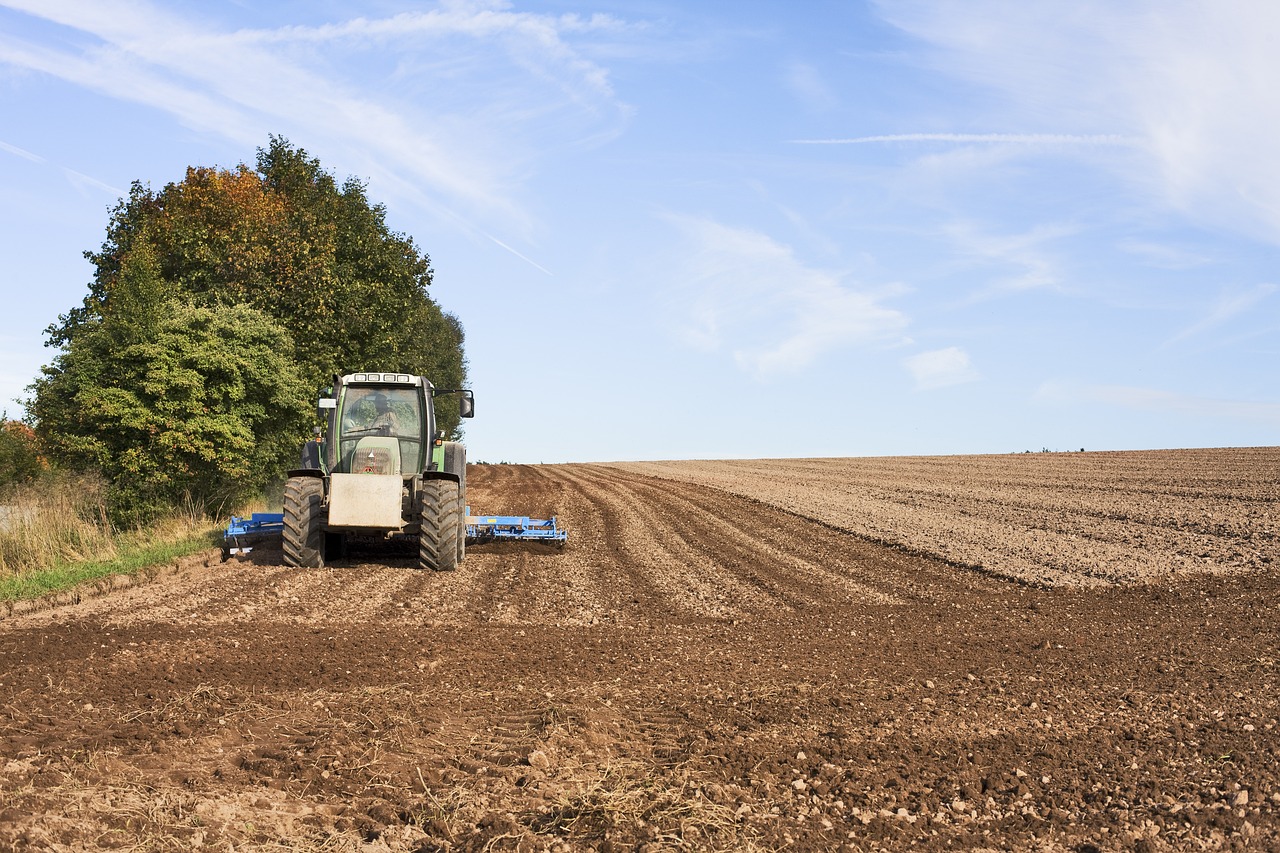
Teagasc is calling for greater numbers of tillage businesses to actively contribute to the National Farm Survey.
The issue was raised by Teagasc’s Trevor Donnellan, who is head of the agricultural economics and farm surveys department, courtesy of his presentation to the 2026 National Tillage Conference.
He spoke at the event on behalf of his colleague, research officer Fiona Thorne.
Donnellan explained: “The National Farm Survey can be used to assess the competitiveness of the various agricultural sectors both within Ireland and internationally,”
“This is very much a benchmarking process."
At an industry level, competitiveness can be assessed in terms of two key determinants: profitability; and market share.
But when it comes to individual tillage farms, profitability is the key driver when it comes to determining business sustainability.
Tillage trends
Donnellan confirmed a number of trends that have been identified for Irish tillage using National Farm Survey data.
One trend has been the increase in profitability within the livestock sectors, relative to crops. This has been a process of convergence that has been taking place since 2023.
But despite this, tillage remains the second most profitable sector behind dairy, when assessed on the basis of net margins generated on a whole farm basis.

“These assessments have been made using actual data for 2024, estimates for 2025, and projections for 2026," Donnellan said.
“Approximately 6,000 tillage farmers take part in the National Farm Survey. However, average margin figures do not tell the whole story in terms of what’s going across the sector as a whole.
“So, for example, one third of tillage farmers currently generate extremely low and or negative margins from their various cropping enterprises.”
According to the Teagasc economist, a number of factors combine to determine the net margins generated within tillage enterprises.
Yield is key in this regard, with the optimal use of crop nutrients and control of costs also important.
Overall profitability is determined by farm size.
”This issue plays out in an international context," Donnellan said.
"The performance levels secured by Irish tillage farmers on a per hectare basis compare very favourably with that achieved in other parts of the world.
“But is the enhanced scale of the cropping enterprises operated in places like the United States, South America, Ukraine, and Australia that deliver higher levels of overall profitability.”
Tillage carbon footprint
Determining the actual carbon footprint of Ireland’s tillage sector was a specific issue discussed at the tillage conference.
Teagasc’s John Spink, head of the crops science department, said this was an issue still in transition.
He said: “We can approximate that crops of oats grown with the straw incorporated back into the soil may well have a zero carbon footprint.
“But we need much more information. And the only way we will get this is by tillage farmers making greater use of the AgNav facility.”