The cost of pneumonia in calves this spring

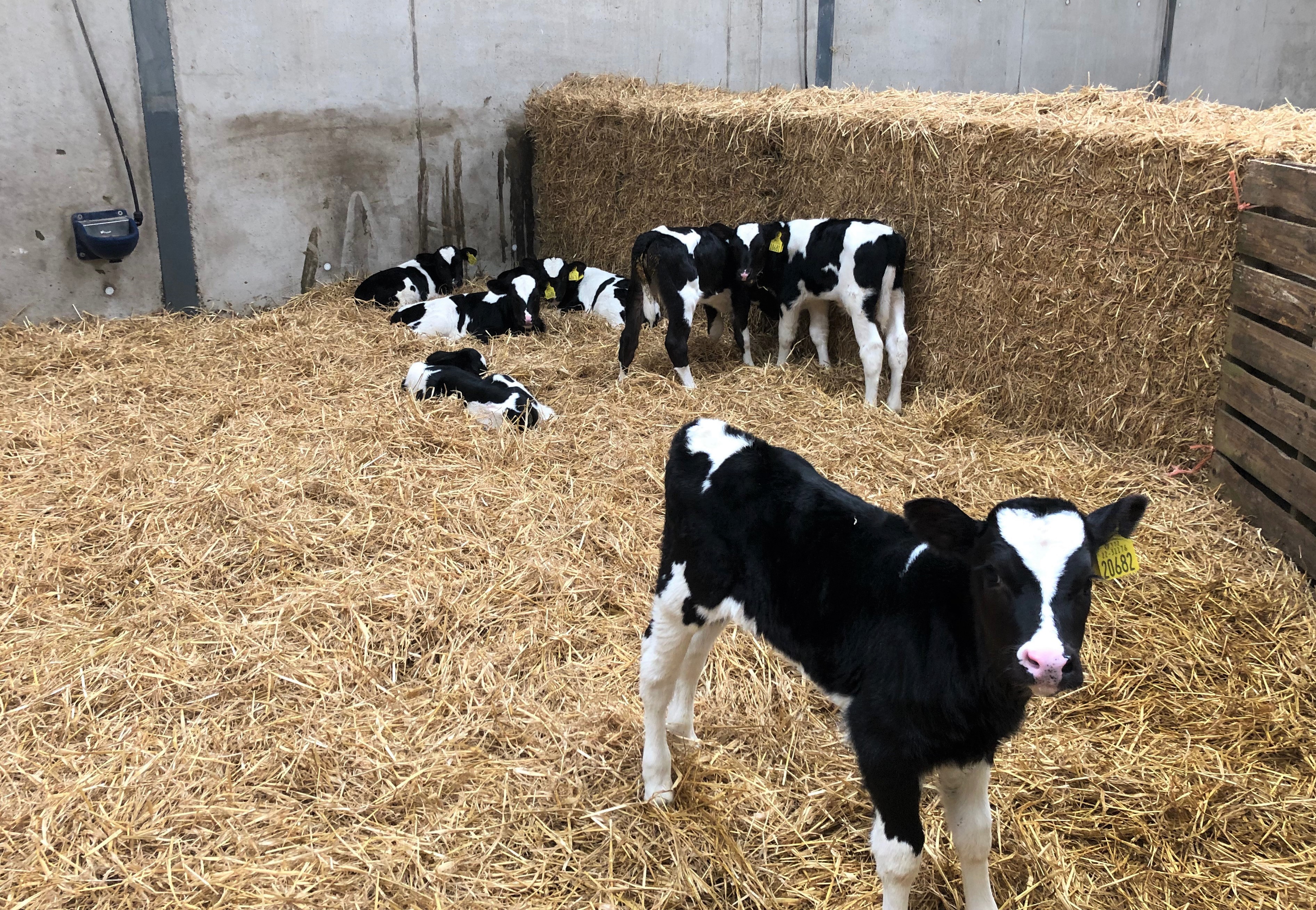
As sheds begin to quickly fill up over the next two weeks as calves hit the ground, farmers need to be on the look out for pneumonia.
Calves thrive best when the temperature is above 10℃. However, as temperatures radically swing back and forth in February, calves burn more energy to stay warm and if the conditions are not right, they can easily end up contracting pneumonia.
Pneumonia is the most common cause of death and poor performance in young cattle from weaning to 10 months-of-age, with 3% of all calves born dying from the infection.
Even if the calf survives, pneumonia or any other disease a calf picks up at a young age will have a major impact on their future health and productivity as the disease permanently damages the lungs
It also leads to reduced live weight gains as well as reduced milk production in first their lactation, a stage that 14% of animals do not get to if they have had pneumonia at a young age.
Therefore, early diagnosis and treatment is crucial, along with quality prevention methods in place.
Cost of pneumonia
Pneumonia is a costly problem to have on the farm, especially considering the current value of calves.
The overall cost varies from case to case and farm to farm, as a number of factors influence it.
Between weight loss, labour costs, veterinary costs, and the cost of medicines, pneumonia can cost up to and over €100 per calf depending on the severity, with mortality being an additional large cost in itself.
The costs continue through the animal's life as heifers that had pneumonia as calves will have a reduction in first lactation milk production of approximately 150kg, a 30-day increase in time to first calving, and a reduction of bodyweight at 14 months-of-age of 29kg.
Studies have shown that animals with lung damage had a lower growth rate compared to those with healthy lungs coming in 21kg lighter.
Therefore prevention, as well as early detection and treatment, is crucial in maintain a healthy herd and positive margins.
Treatment and prevention
Farmers may notice pneumonia if calves are off-form and dull, however symptoms also include reduced feed/milk intake, fevers, coughing, increased respiratory rate, watery discharge from the nose and eyes, and hollow sides.
If a calf is displaying any of these symptoms, your vet should be called out to diagnose and treat the animal, however the disease is more than likely already at an advanced stage when their respiratory rate has increased and discharge is present.
Antibiotics are ineffective against viral infections, but in cases where bacterial involvement is suspected, antibiotic treatment is required.
In rare cases, lungworm may be causing pneumonia in young calves and these will not respond to antibiotic treatment.
Either way, treatment needs to be started early for the best chance of success, and even at that, treatment is difficult, therefore prevention is what farmers should be focusing on.
A vaccination strategy should be implemented on the farm with calves being vaccinated from two weeks-of-age – usually two shots, four weeks apart, followed by a booster before the next risk period.
Good hygiene is needed at calving, followed by removal of the calf immediately from the calving pen where a high standard of colostrum management and feeding is essential.
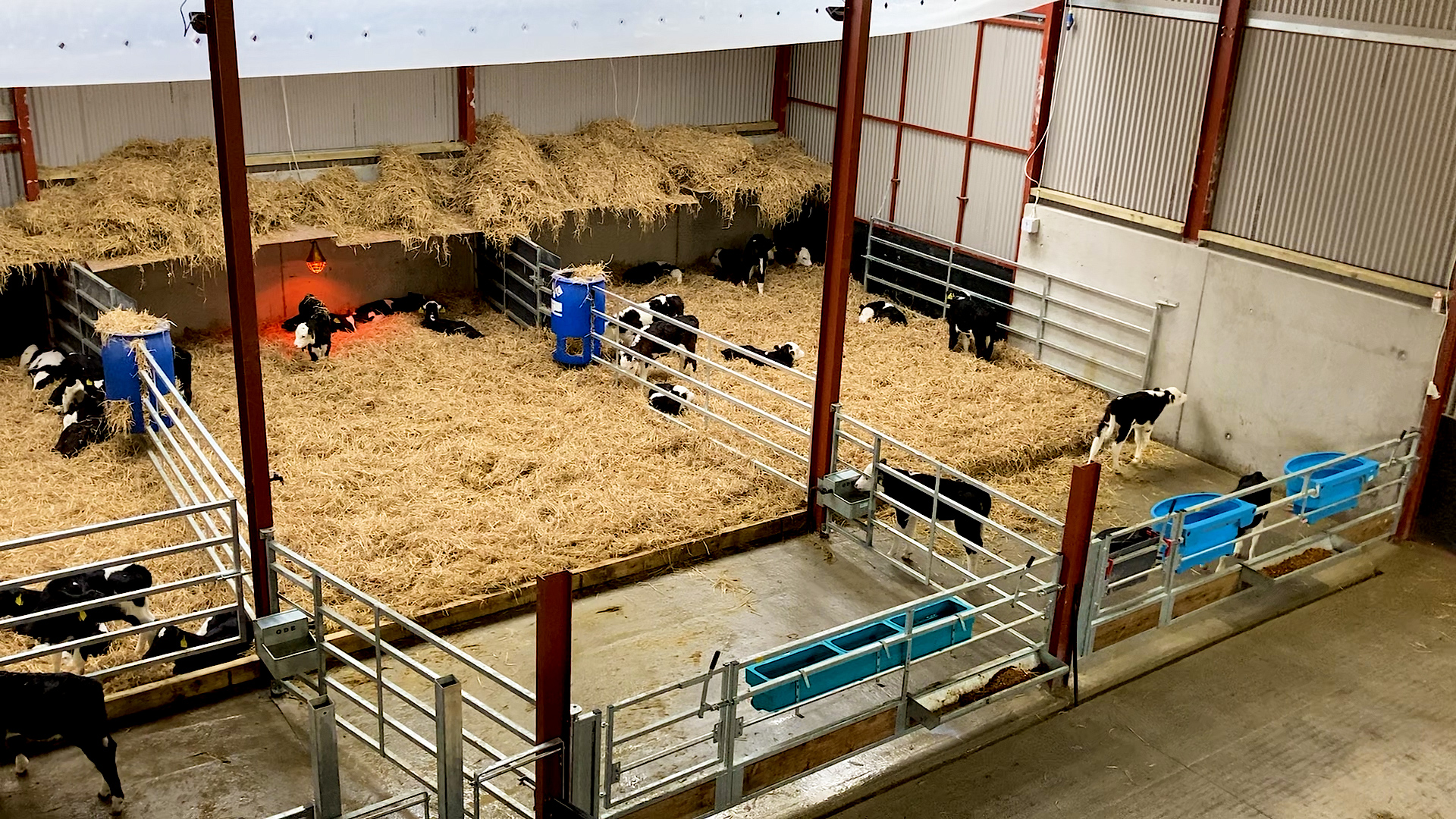
The calf should be housed in a well-ventilated shed with plenty of air but few or no draughts, as well a thick dry bedding area where effluent can drain away freely.
If you are grouping calves, make sure to group them by age and size to make management and feeding easier and to keep the group stable.
In addition, ensure each pen is grouped at an appropriate stocking rate to minimise the stress on calves.
Deficiencies in vitamin E and selenium will weaken the animal’s immune system, and so any nutritional deficiencies should be examined.