TD raises concern over risk of 'potential devastation' to sheep from bluetongue

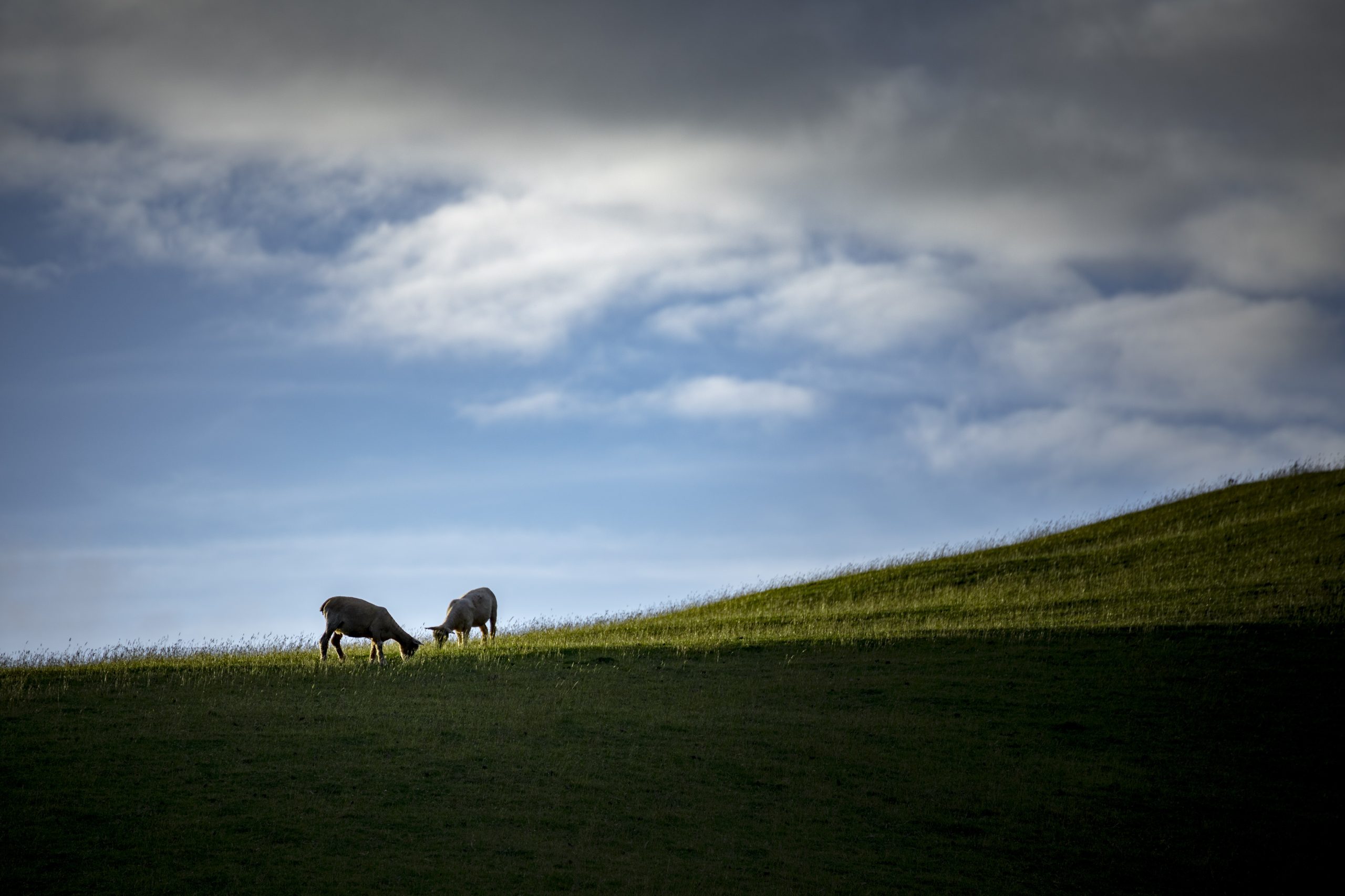
A TD has raised concern around the risk posed by bluetongue to sheep.
Aontú TD Paul Lawless reacted to information on bluetongue mortality rates in other member states provided in response to a parliamentary question.
Minister for Agriculture Martin Heydon said that in some member states, sheep have shown more obvious and severe clinical signs of bluetongue than cattle if they become infected, and mortality rates can reach 30-70%.
Mortality rate
Deputy Lawless said he is "shocked" to learn of this mortality rate, and said that if sheep in this country "start coming down with this disease it could be an absolute disaster".
Deputy Lawless said: "We need a public information campaign around this, we need a state-sanctioned risk assessment and if needs be, then a widespread vaccination of our sheep flock."
He said there needs to be "more transparency and full disclosure on the realities, dangers and potential devastation posed by this disease".
"The government needs to outline what steps are being taken to protect our sheep population from bluetongue and treating this issue with the seriousness it deserves," Lawless said.
Bluetongue in 4 counties
Speaking in the Dáil today (Thursday, March 19), Minister Martin Heydon said that bluetongue has been detected in counties Wexford, Wicklow, Louth and Kildare.
Modelling carried out by the University College Dublin (UCD) centre for veterinary epidemiology and risk analysis identified that the most likely time for an incursion of infected midges blown over to Ireland from Great Britain was probably in late September last year.
"Its modelling suggests that the incursion could have occurred along the south-east and east coast, including counties Cork, Waterford, Kilkenny, Wexford, Wicklow and Louth," the minister said.
"My department is undertaking ongoing surveillance nationally, covering all parts of the country.
"This includes surveillance at abattoirs, testing of animals submitted to my department’s network of regional veterinary laboratories, investigation of clinical suspects reported to my department by farmers or vets, and targeted surveillance in counties identified by the modelling undertaken by UCD."
Vaccine
The minister said that the cost of the vaccine against bluetongue is a commercial decision.
He said the department has "made sure there is enough availability, working with the private suppliers of the vaccines".
"I am reviewing all options open to me to be able to support the sector in what is a very new challenge for us at a very challenging time," he said.
"This is a real and dynamic response to a real and dynamic situation that has been evolving."
He said the key responsibility for his department is to "make sure that we continue to get market access".