Dairy
It is no secret that both fodder and cash flow are going to be tight on dairy farms across the country this year.
Testing silage has always been a key element in forming a well-formulated, energy rich diet essential for milk production.
Grass
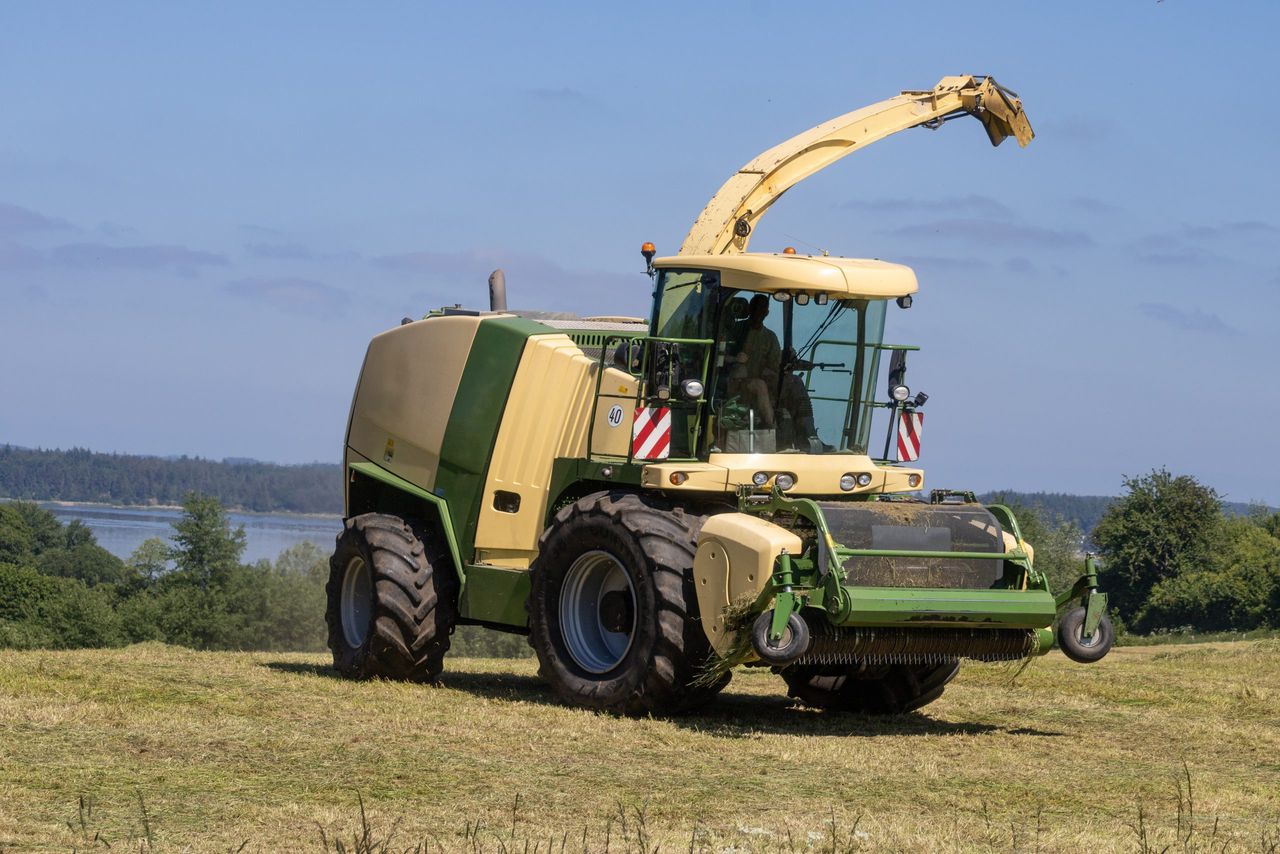
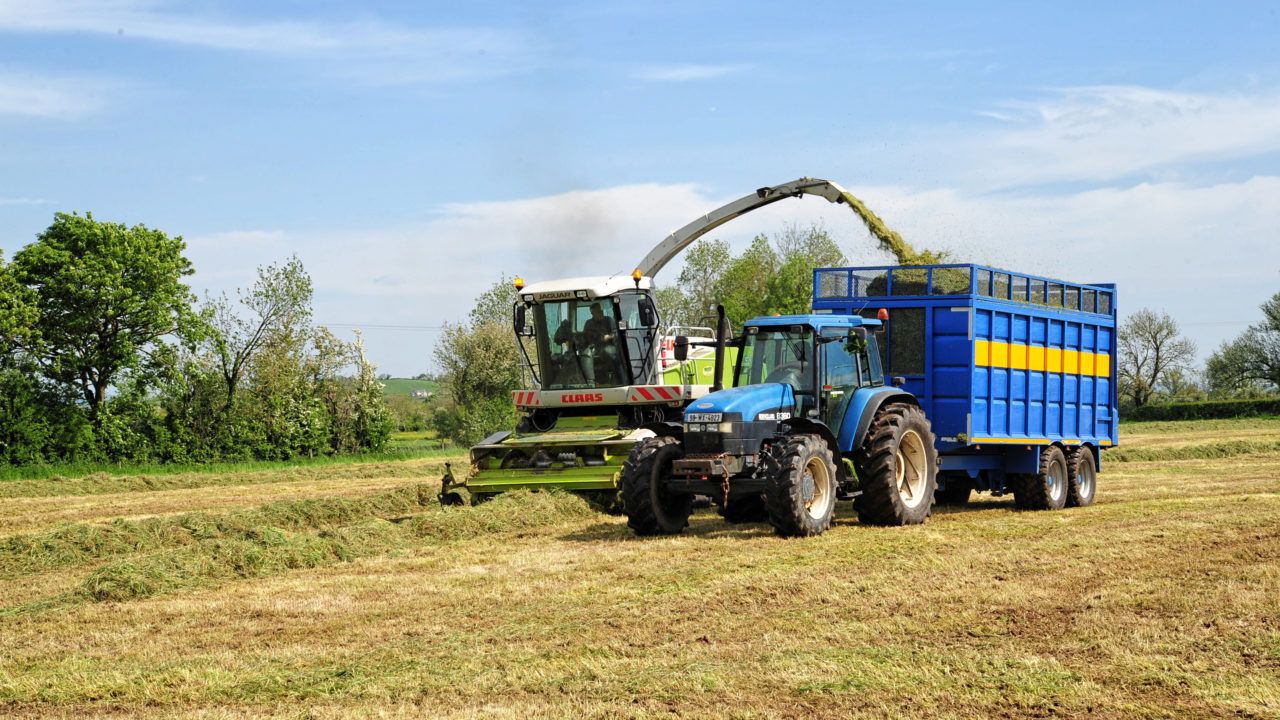
A lot of farms may still have one final cut of silage to bring into the yard, but are silage additives worth the money for the last cut?
Agri-Business
A bit of planning now when it comes to cashflow "could save a lot of headaches over the winter", according to one Teagasc adviser.
Are Irish dairy farmers facing a fodder crisis or a cash flow crisis? The simple answer is to that question is both.
Drought
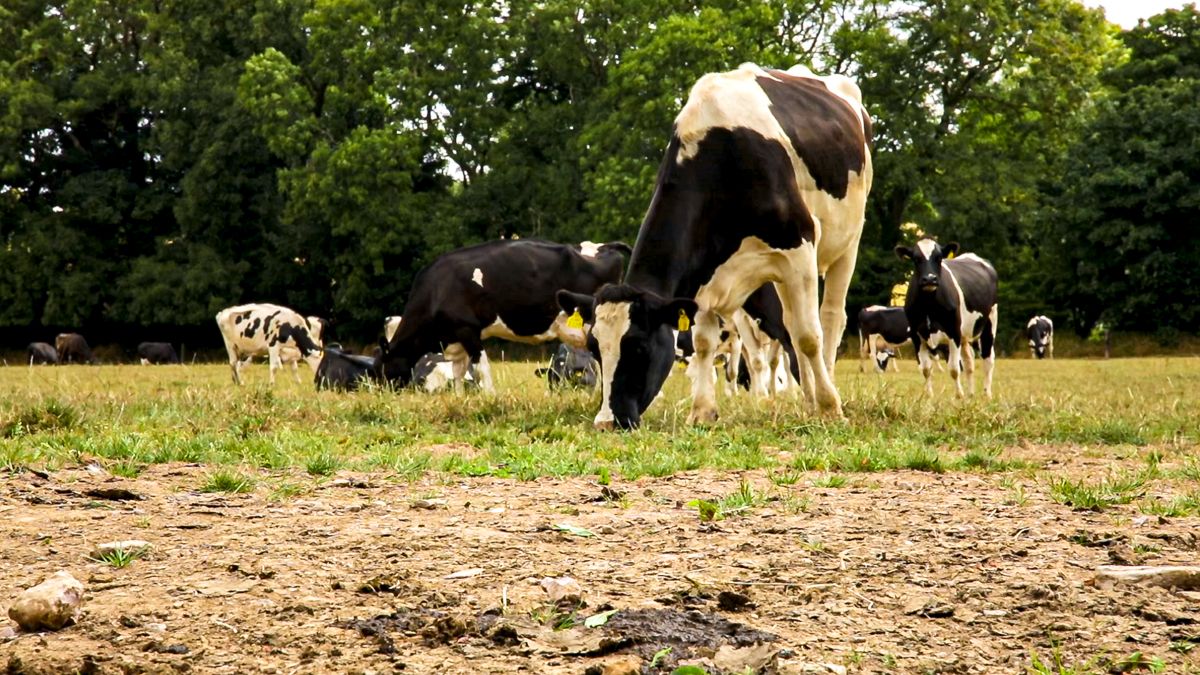
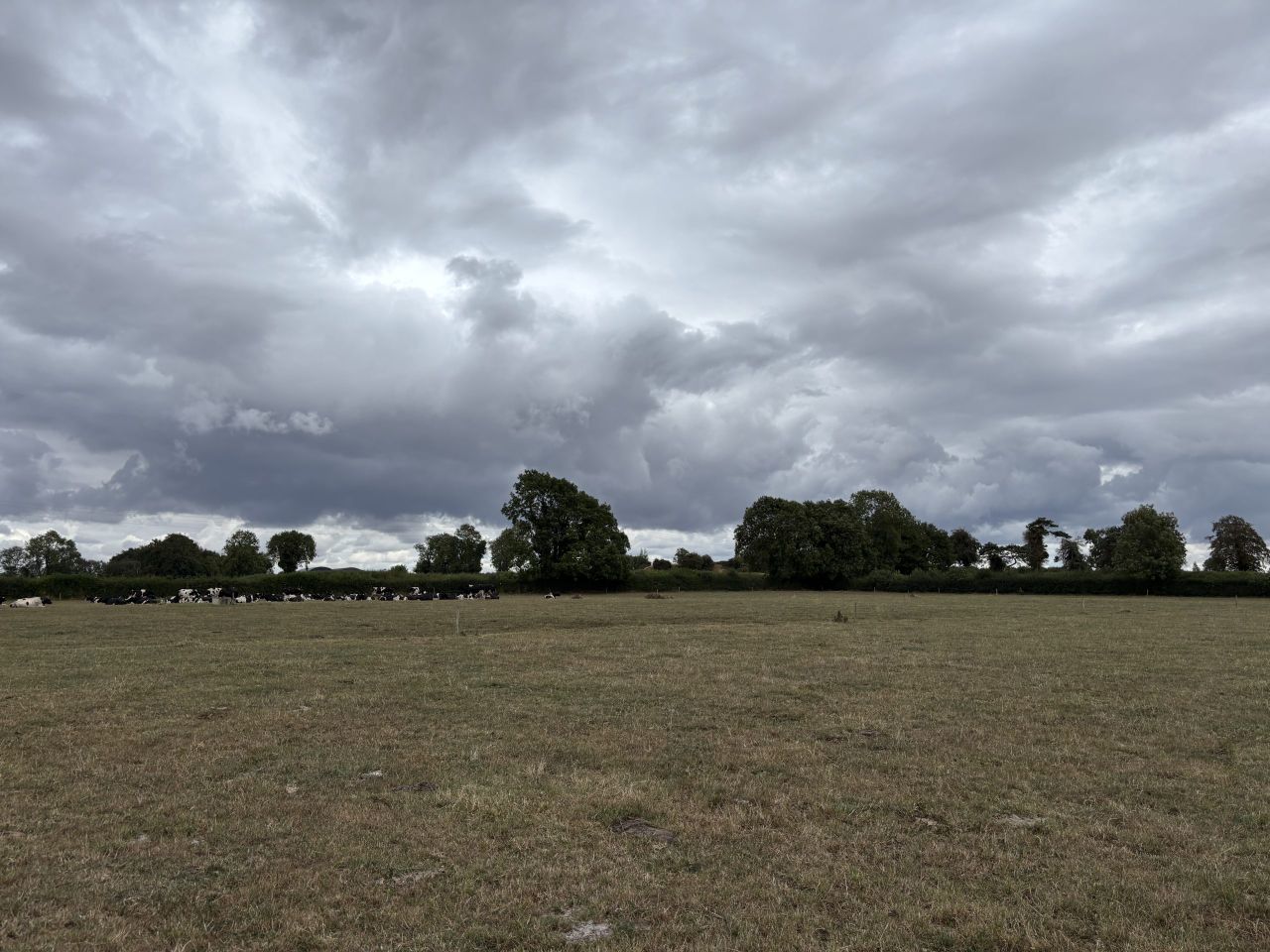
It is no secret that fodder is going to be short across the nation this winter, especially in drought-stricken areas along the south-east.
Permission for earlier mowing of riparian areas has been welcomed by the ICSA, though it said that more action is needed.
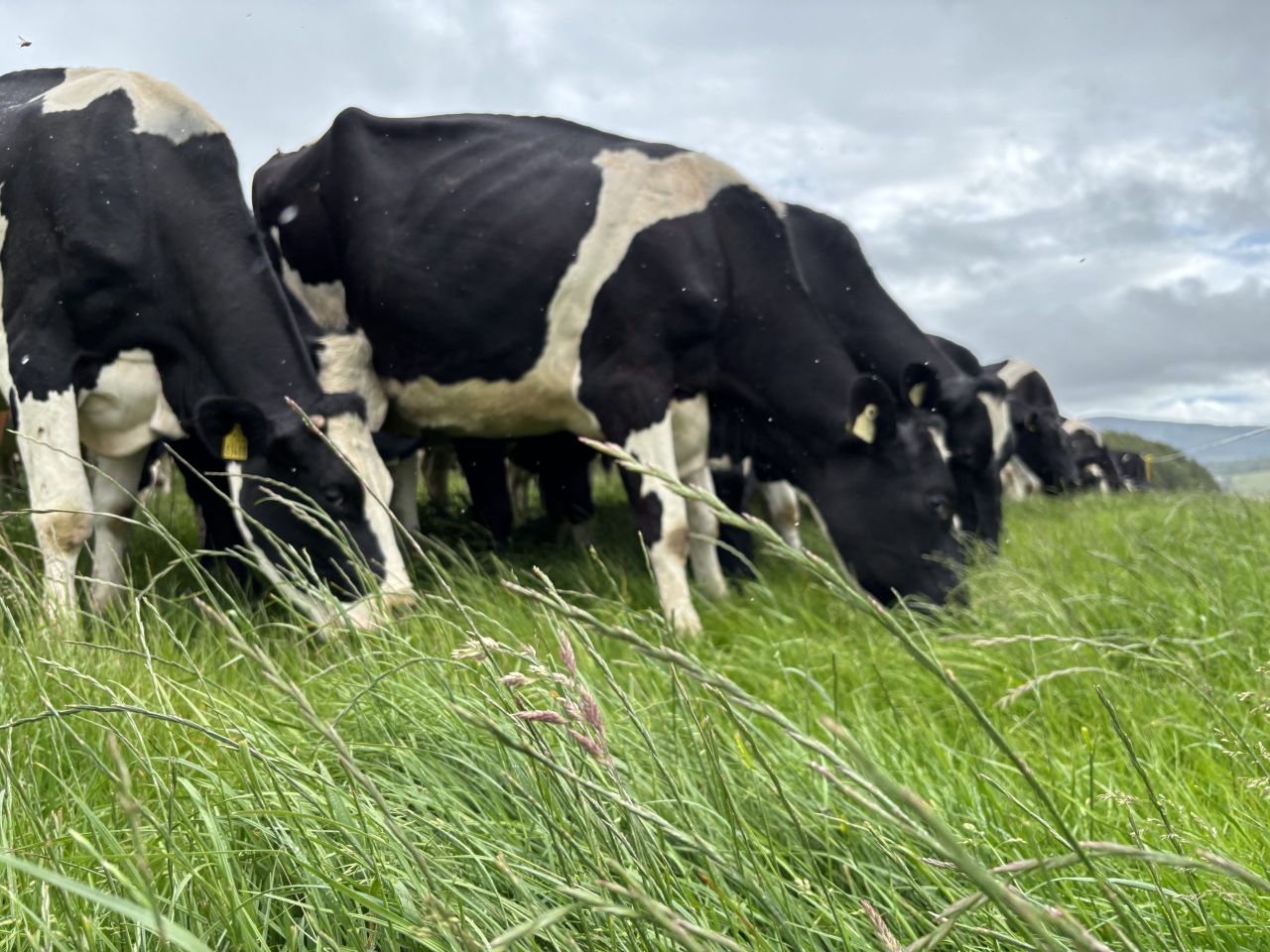
Grass growth around the country continues to vary greatly, with pressure mounting in the southeast while grass grows in the northwest.
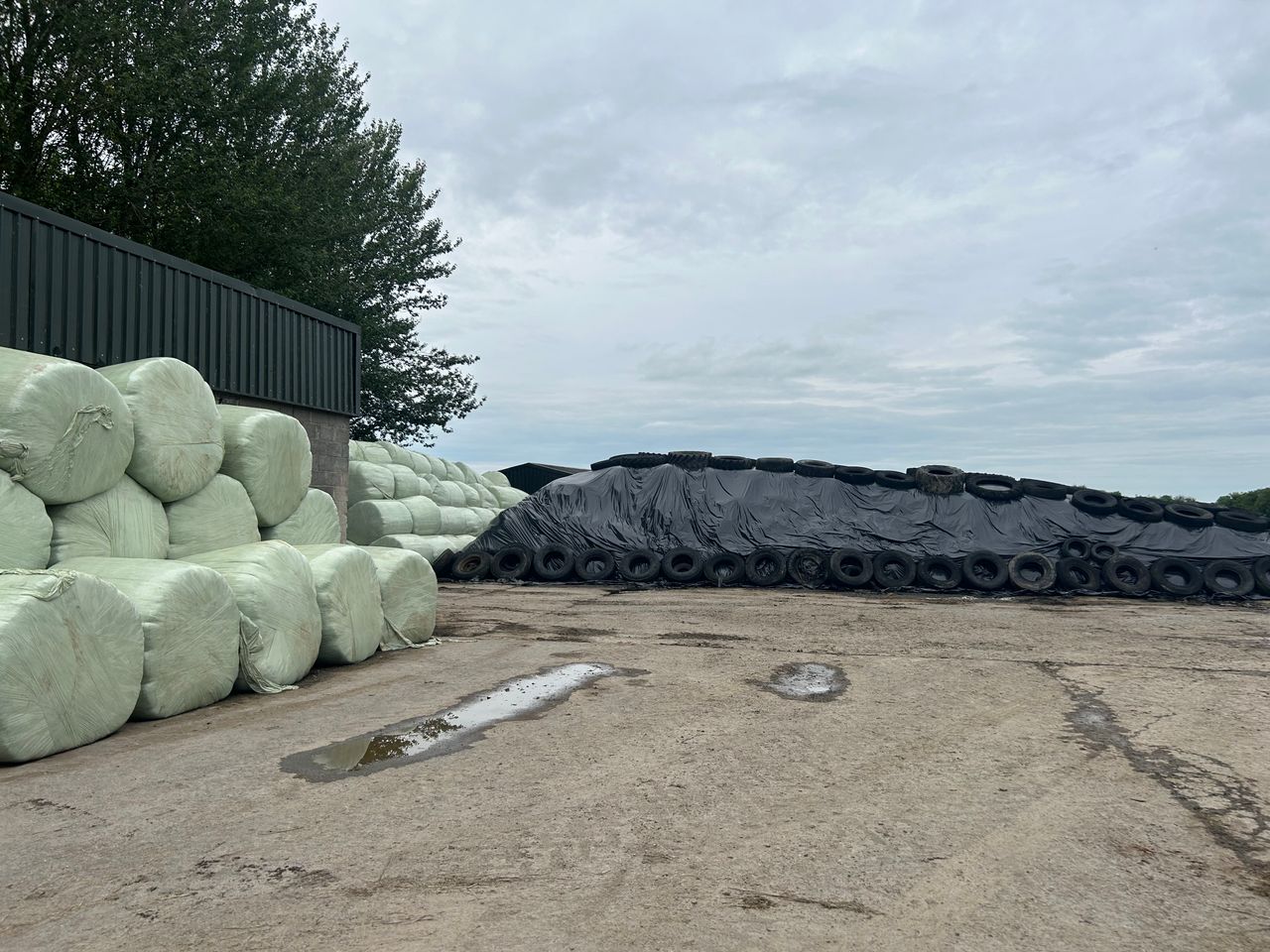
While farmers are drawing up fodder budgets this month, it may be well worthwhile silage testing the crop already in the yard.
With expenses rising, Austin Callaghan, Teagasc drystock adviser has outlined measures farmers can consider to help reduce costs on farm.
Keep an eye out for the risk of mycotoxin this winter, as the dry summer has resulted in hard to manage high dry matter silage.
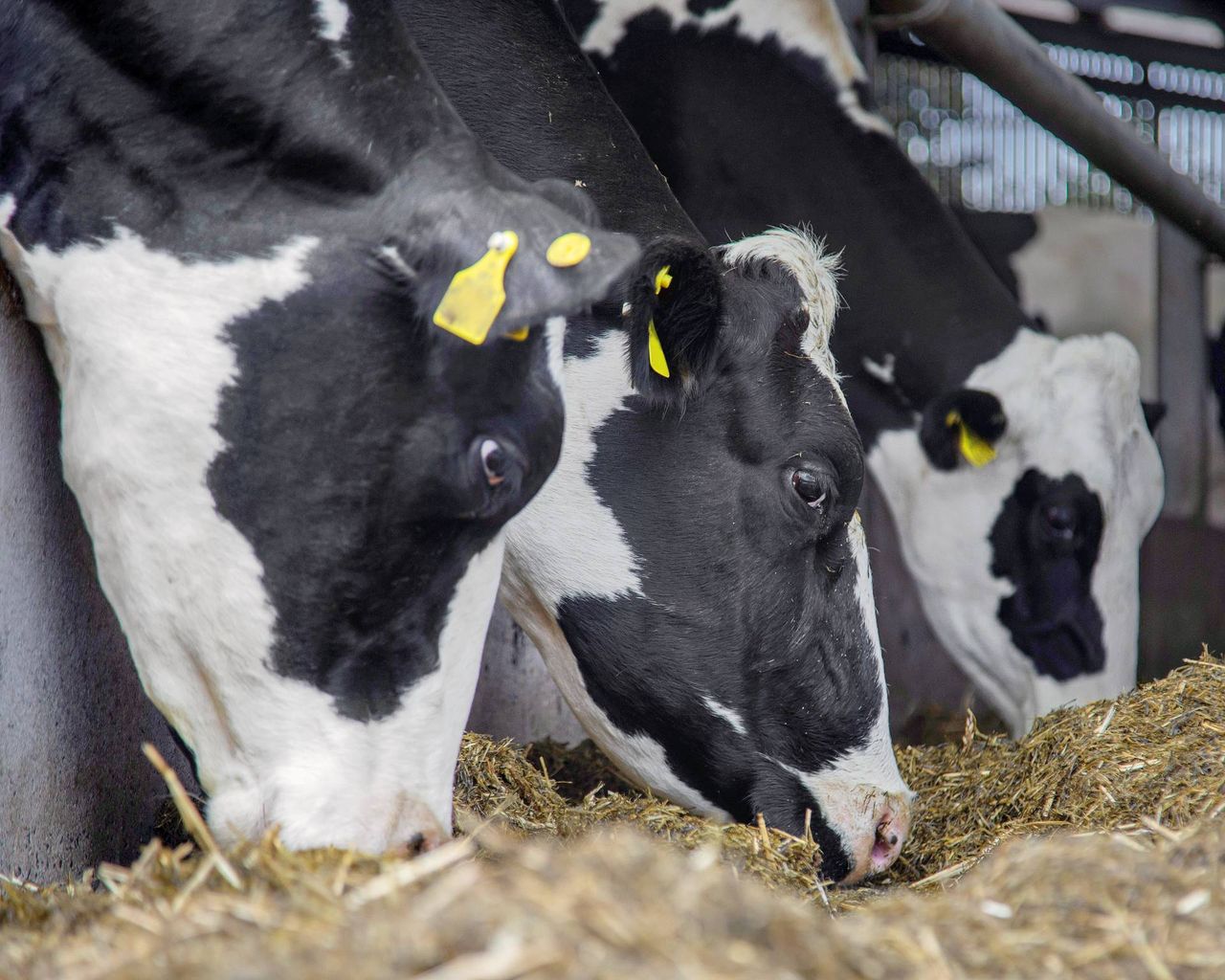
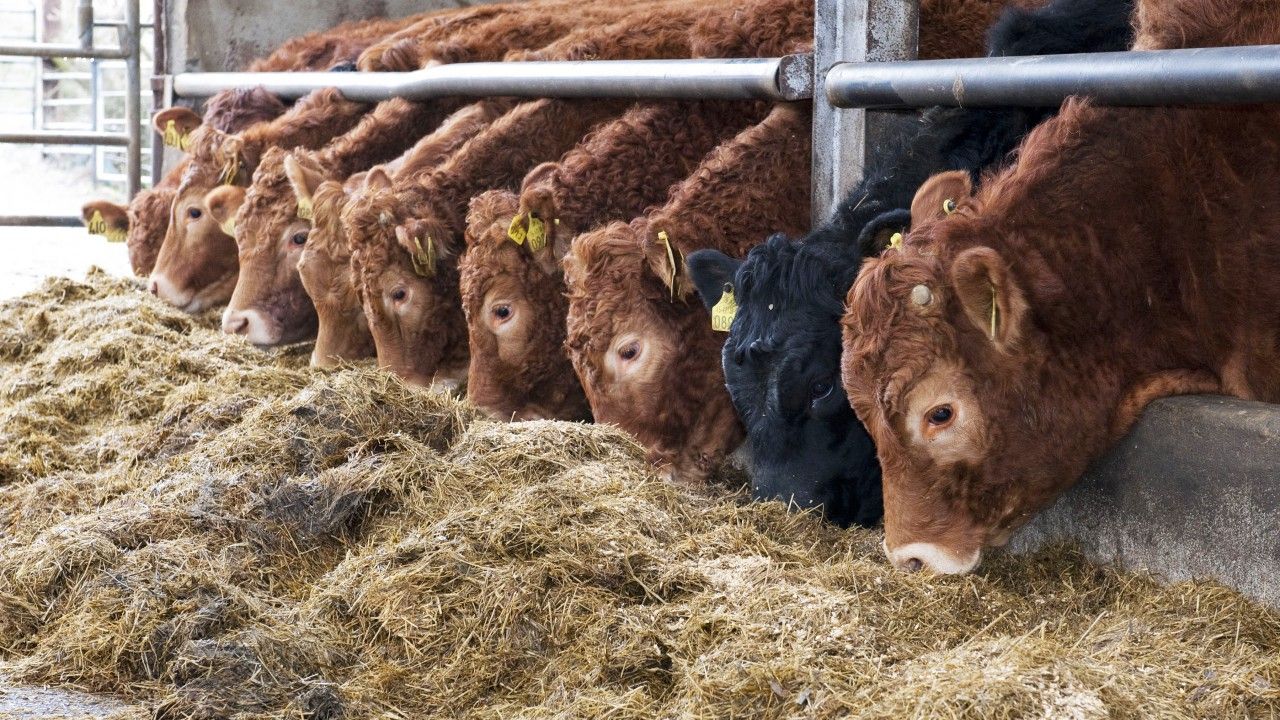
As grass availability continues to fall, the majority of farmers will be feeding silage whether cows are housed or not.
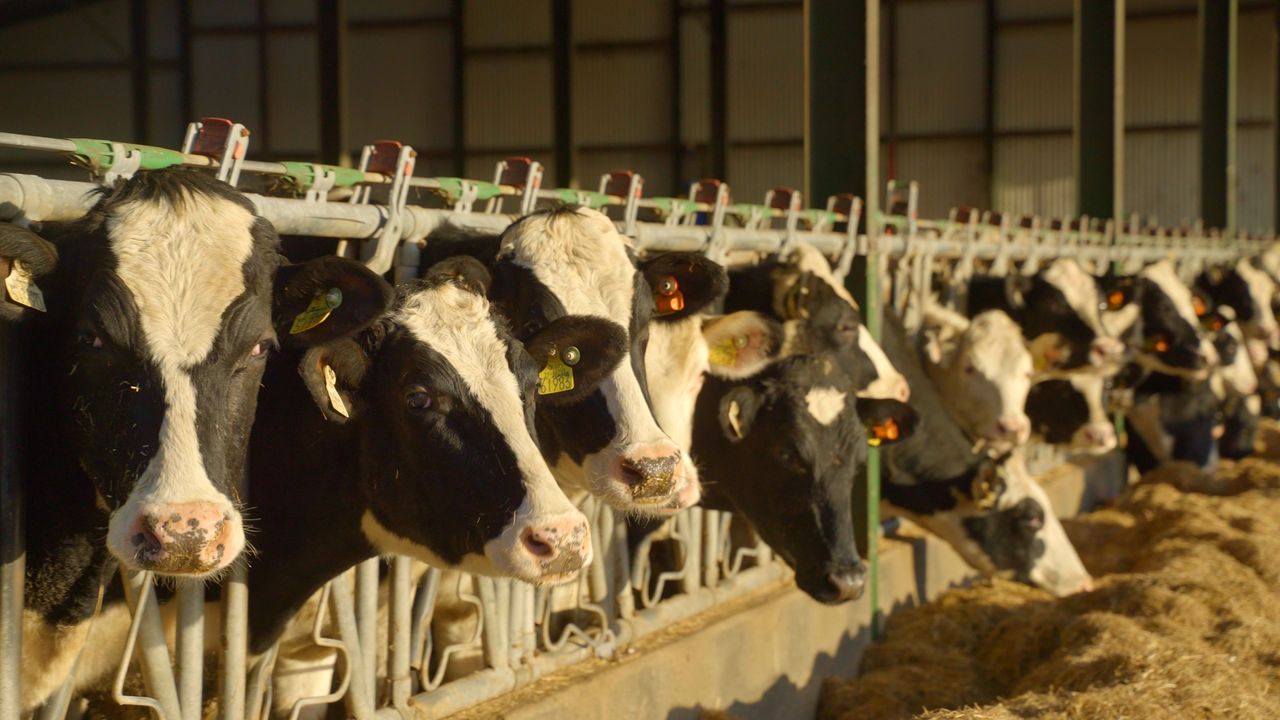
As we are well and truly in the midst of autumn calving, farmers must be considering diets and feed groups coming into the housing period.
90% of farms expect to have sufficient feed in place for the coming winter, according to the latest data from Teagasc.
Beef
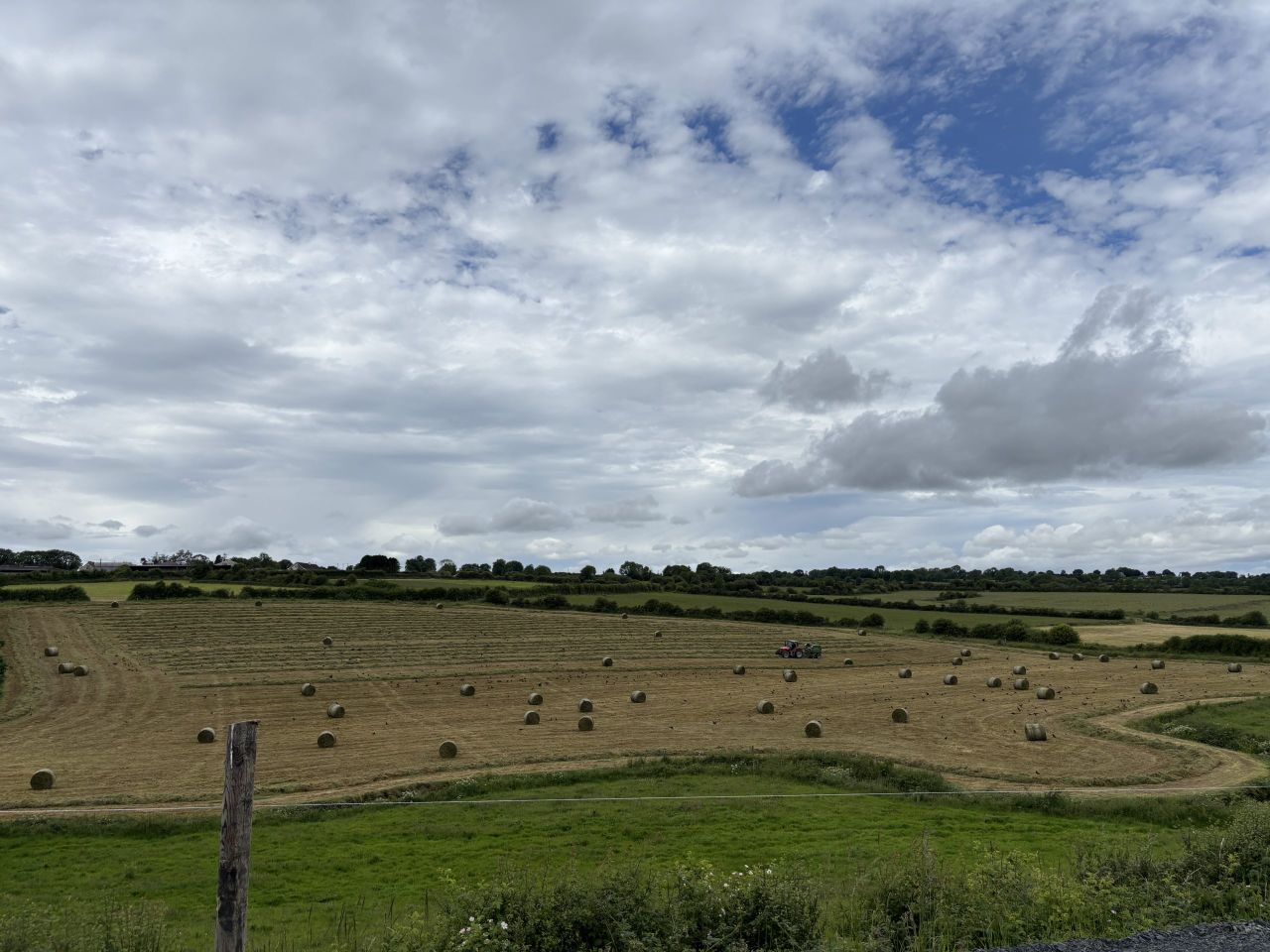
The longest day of the year has now come and gone and winter fodder may be a far away thought on many farmers' minds.
The National Fodder and Food Security Committee (NFFSC) is to meet this week following a request from Minister Charlie McConalogue.
A Teagasc survey shows that on average dairy and drystock farms are on target for adequate winter fodder supplies after first silage cuts.