Dairy
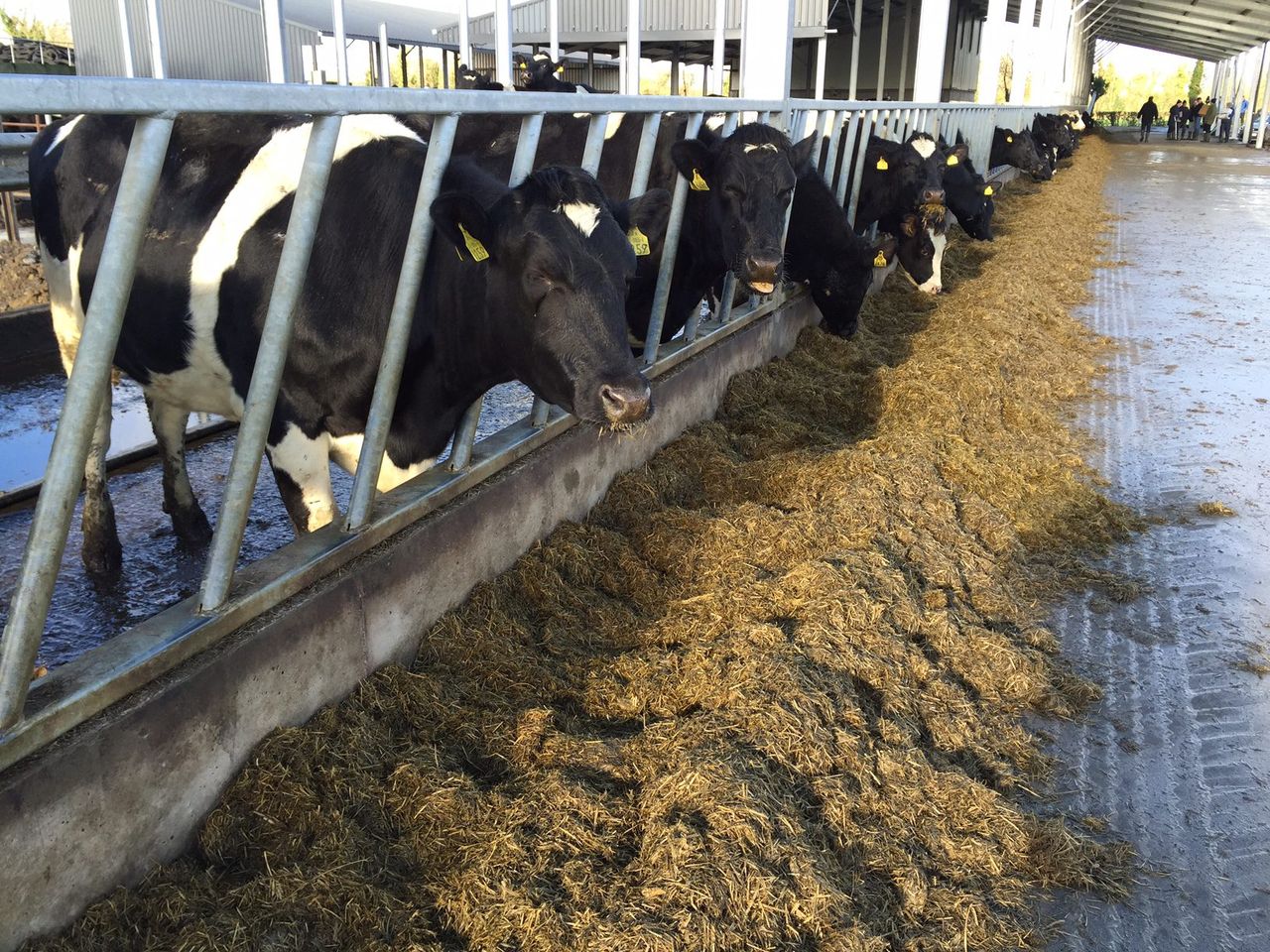
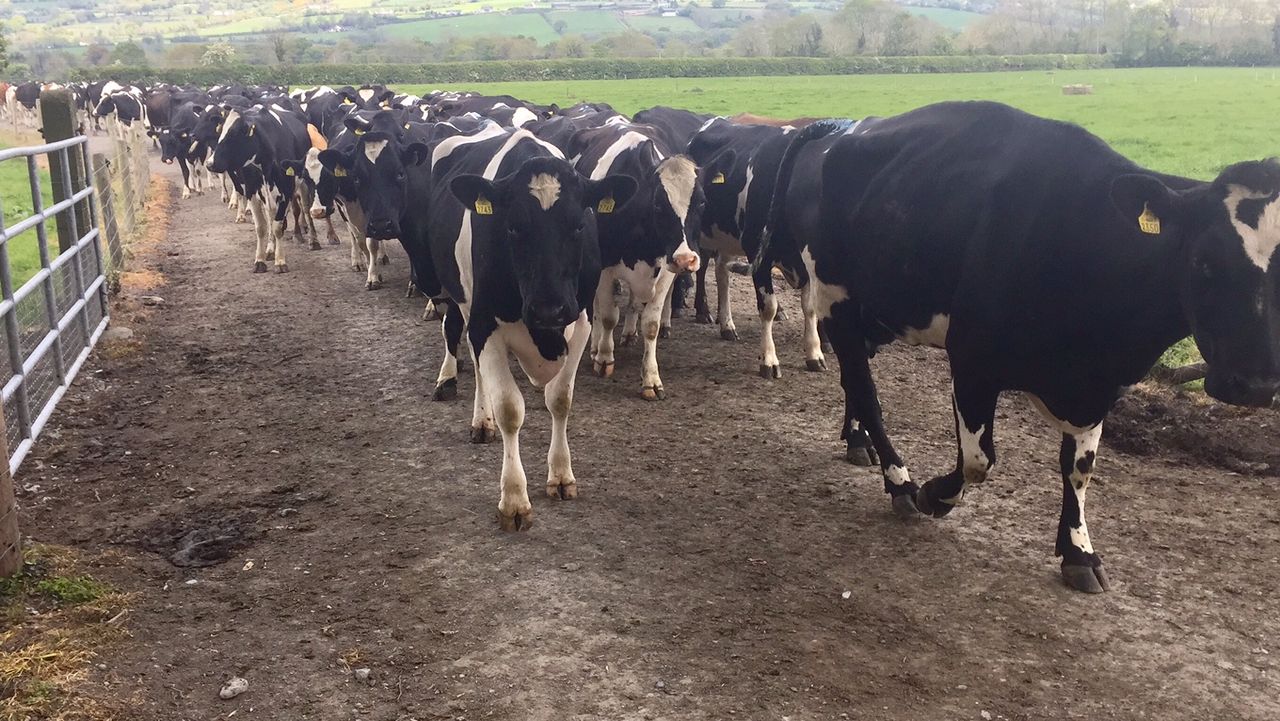
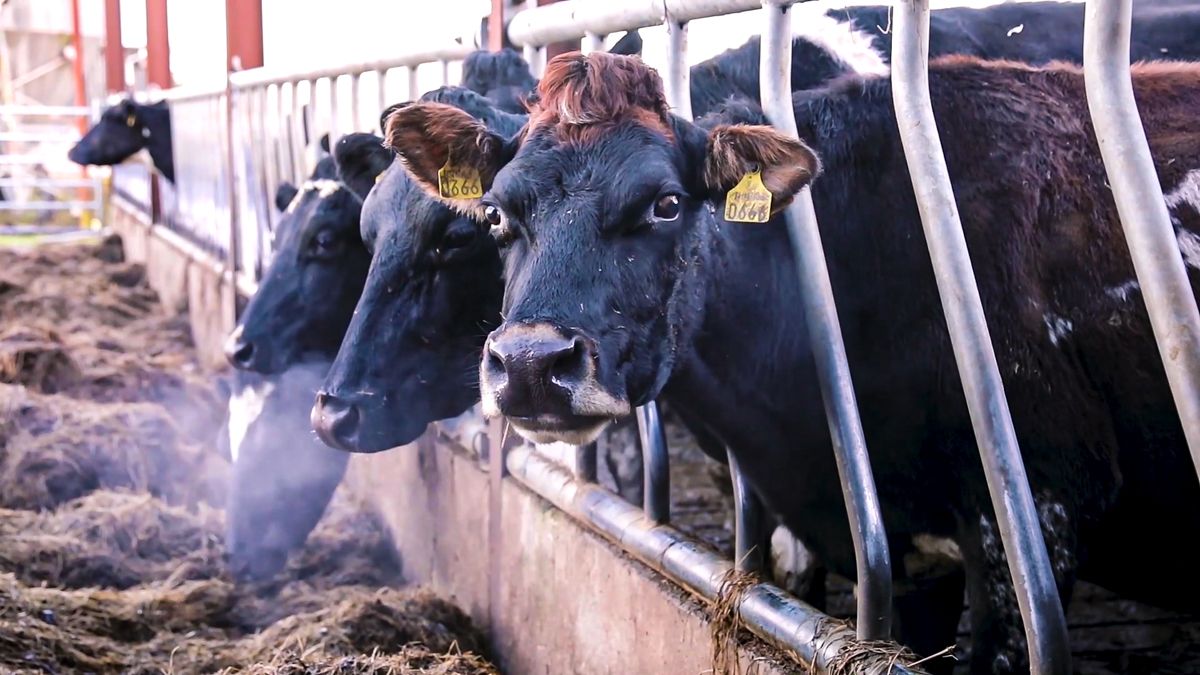
As we switch our attention to the breeding season, we need to ask ourselves is it financially viable keeping those late-calvers?
Beef
Farmers should aim to have 60% of there cows calved in the first month and 80% of their cows calves by the second month.
The best way to try and avoid illness is to encourage good hygiene practices to be carried out throughout the calving season.
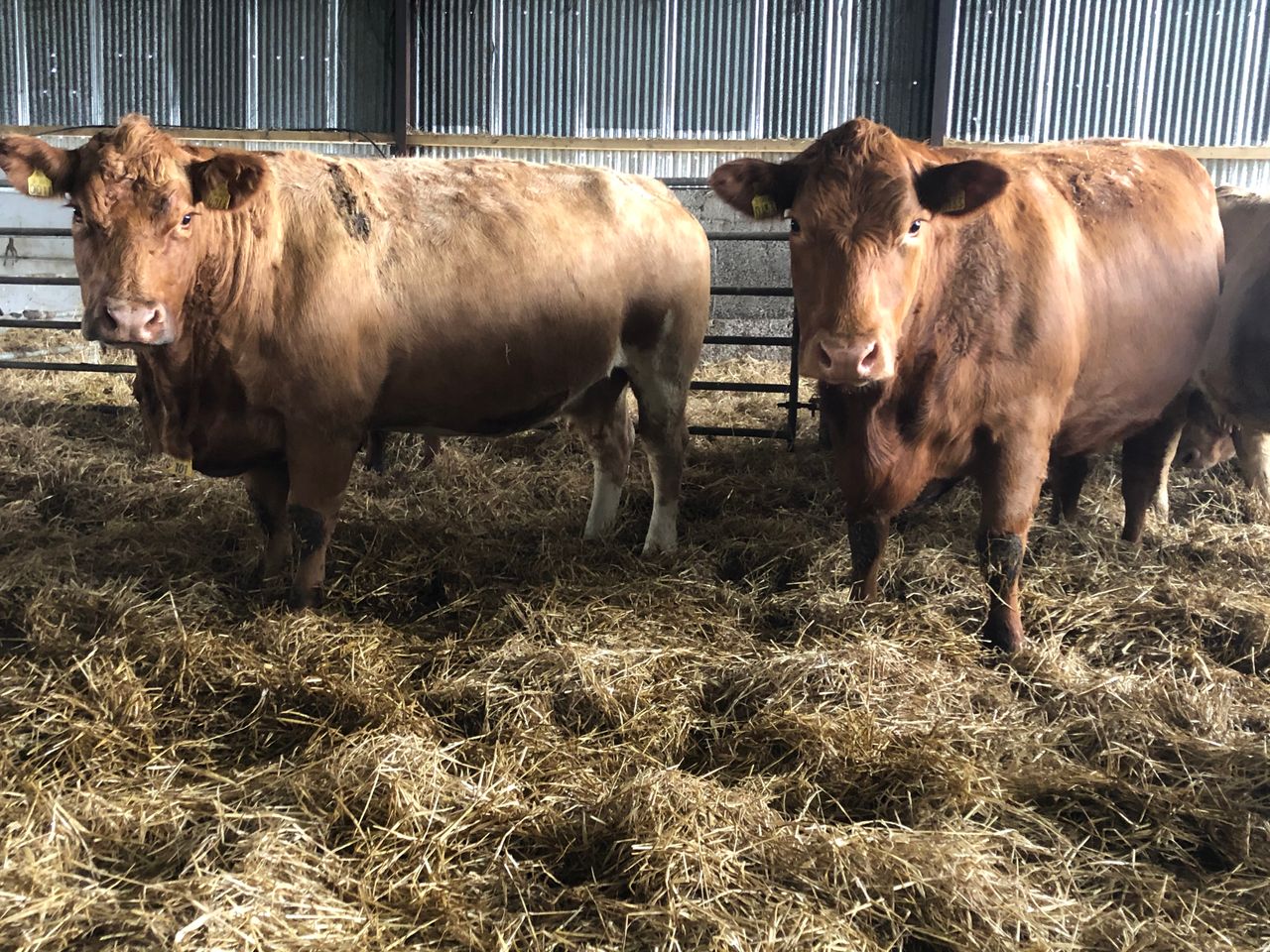
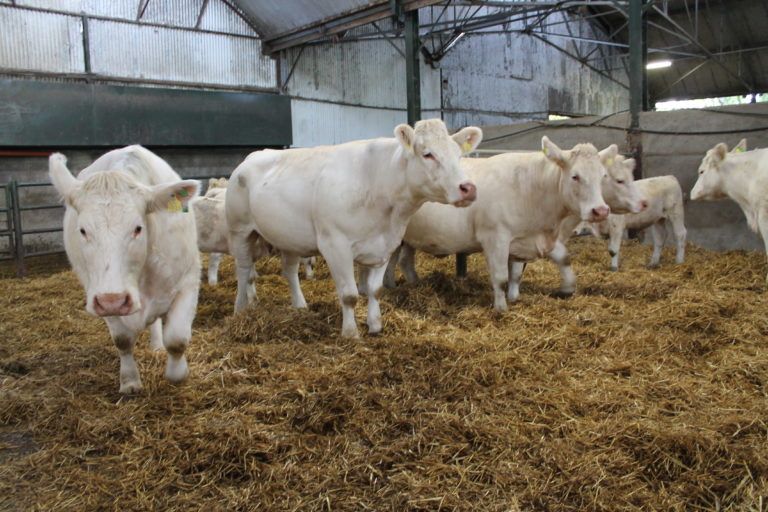
With spring calving underway in suckler herds, it's time to consider what levels of feeding the cow will require once she has calved down.
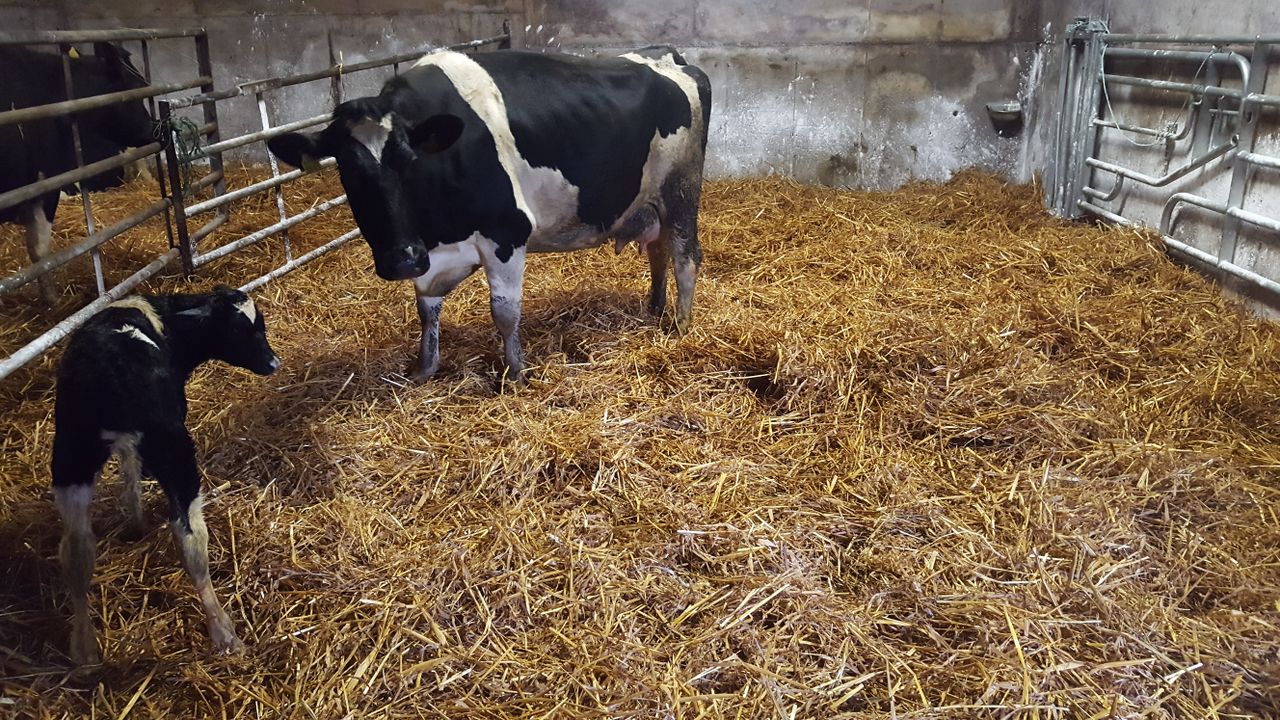
Cows will be calving around the clock for the next few weeks on the majority of dairy farms, so sleep can be hard to come by.
The calving period is the highest risk for culling due to health problems, on average 60-70% of clinical disorders occur during this period.
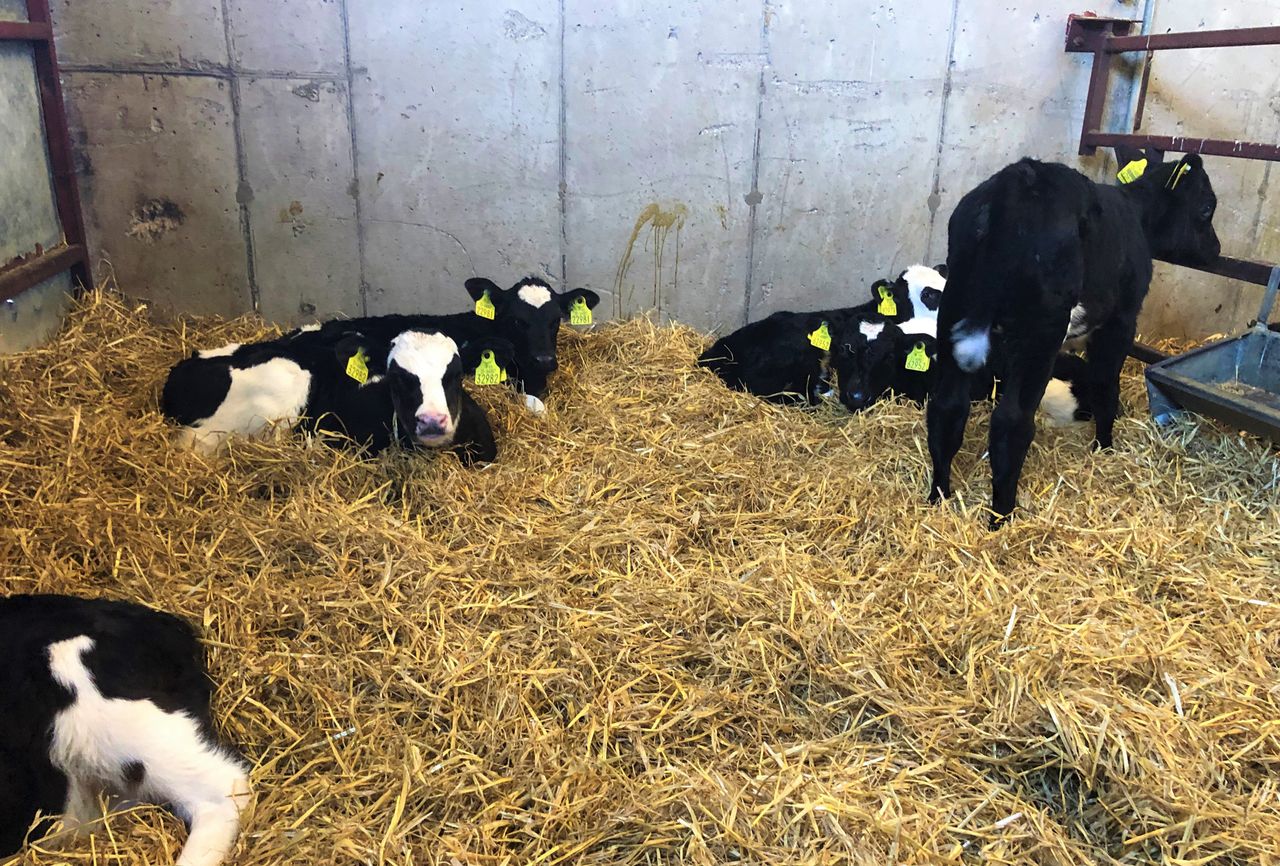
An intestine that is not functioning properly causes the calf to lose salts and water in the form of diarrhoea.
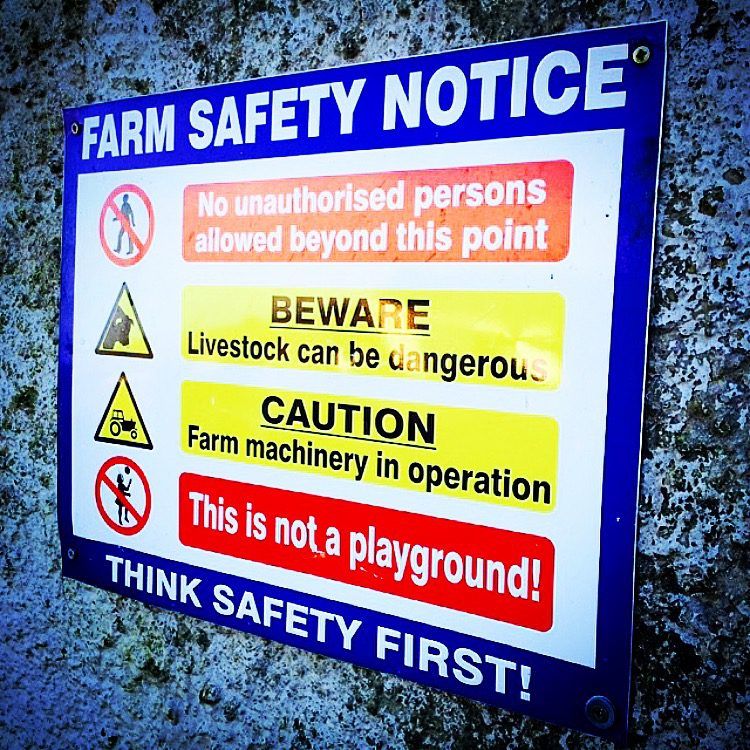
Calving season means farmers will now be under increased stress and pressure, with many taking unnecessary risks.
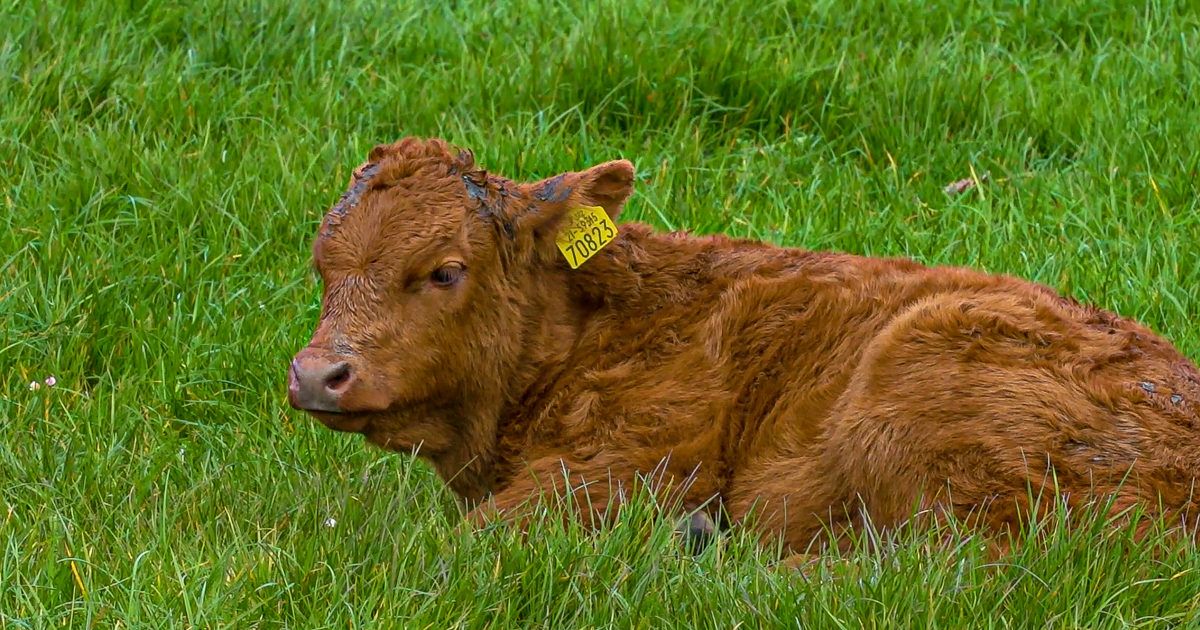
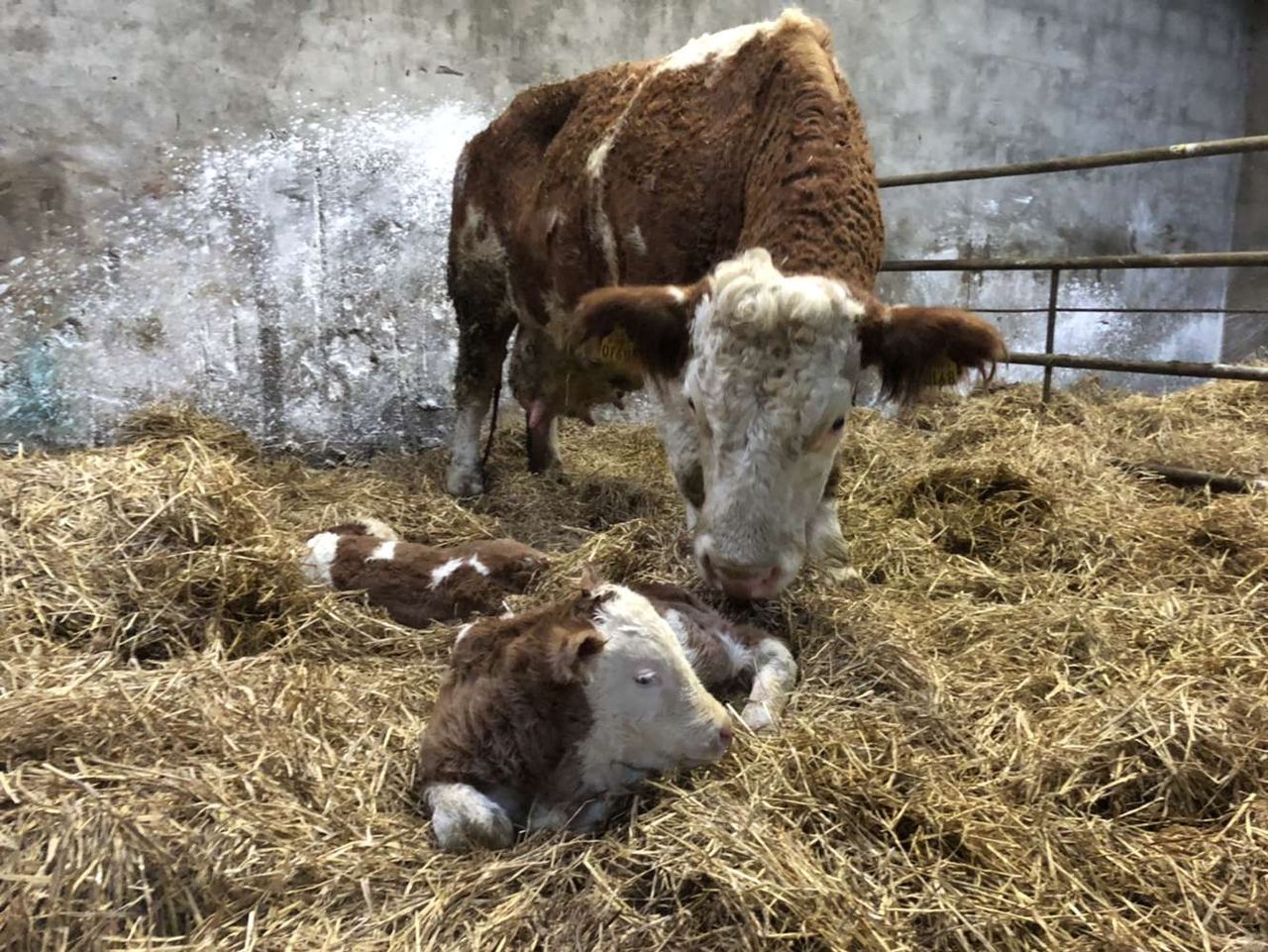
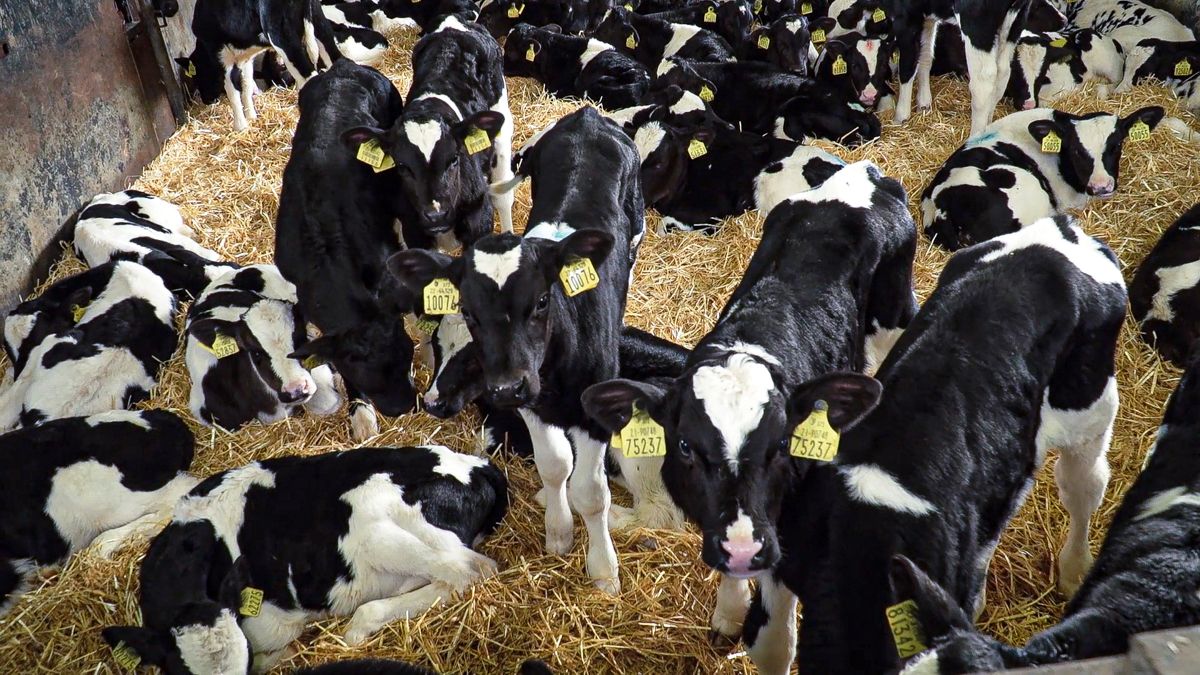
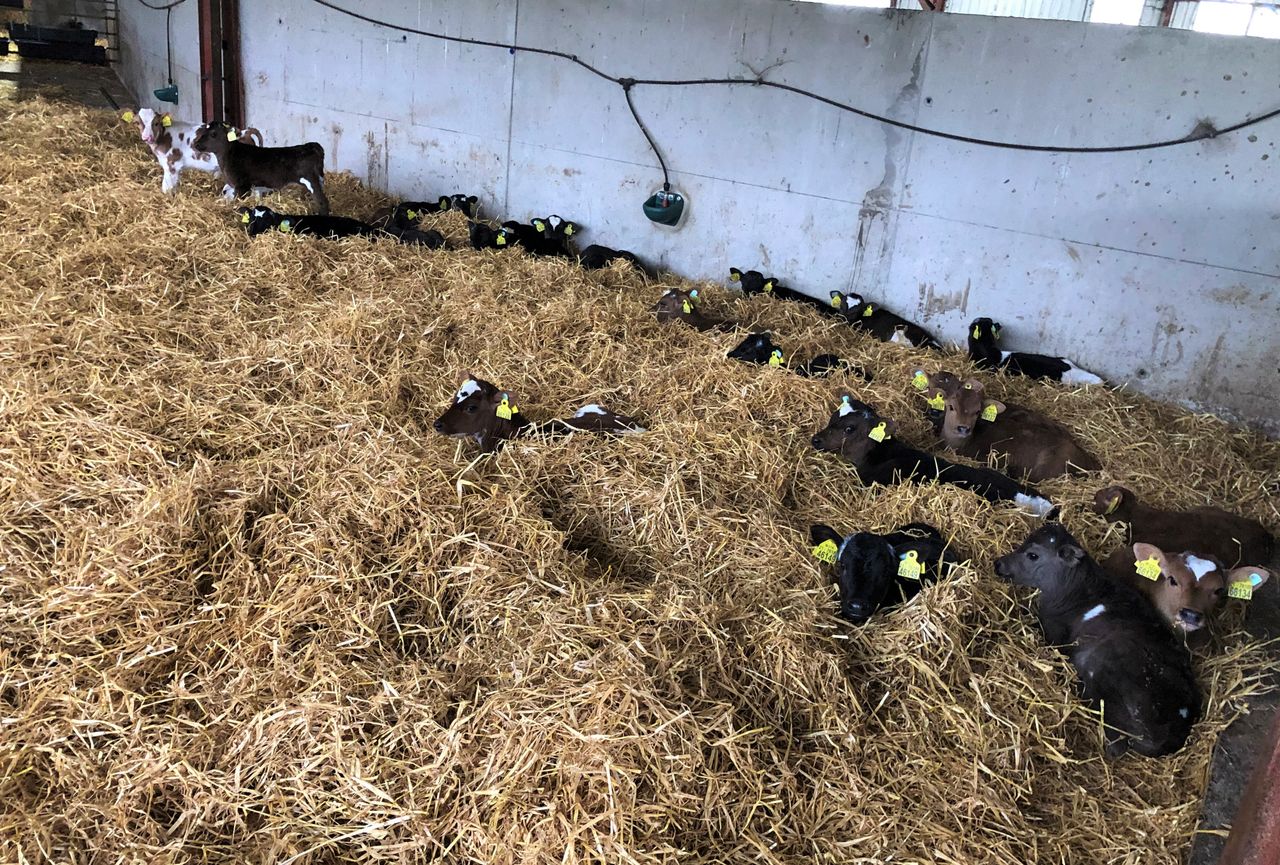
Some 53,218 calves have been registered, within the space of seven days, signalling the beginning of the spring-calving period.
In spring, the aim is that the cow should graze a high amount of quality grass with appropriate supplementation.
Dr. Catherine McAloon of University College Dublin (UCD) outlined how you can prevent calves from becoming sick using the two pillars.
'Expect the unexpected when it comes to scanning dates' was one of the key messages to takeaway from Thursday night's Teagasc webinar.
The following are some of the things you should be getting ticked on the farms to-do list, if you haven't already done so.
With calving just around the corner on many farms, here's a list of essential tips to help farmers though the busy period ahead.