Table: 2026 Irish calf exports to date almost half same time last year

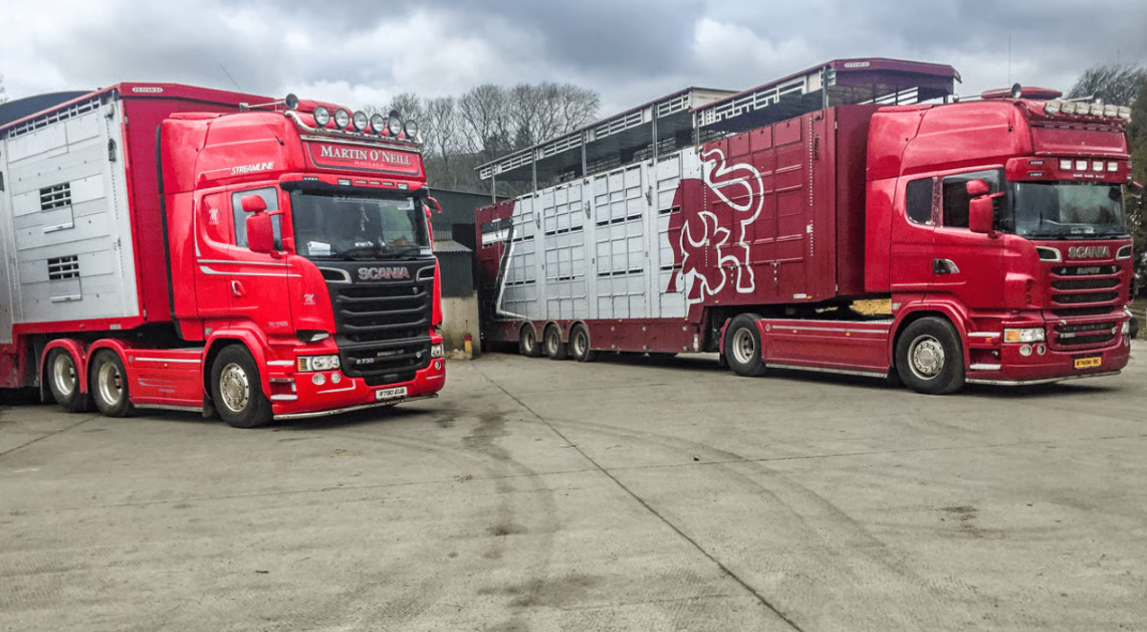
The 2026 cattle export season has got off to a slow start, with overall cattle exports from Ireland down by 53%, according to the latest figures from the Department of Agriculture, Food and the Marine (DAFM).
All categories of cattle have noticed a decline in export numbers, with confirmation of the first case of bluetongue in the Republic of Ireland in January attributing to this setback.
This has now been resolved in most cases, and the trade of cattle for breeding and further feeding to Northern Ireland was restored last week.
Weather-related delays to sailings have also had an impact on calf export numbers to date.
The table below gives an overview of 2026 Irish cattle exports to date as of Saturday, February 28, versus the same time last year:
| Category | 2025 | 2026 | Change (head) | % change |
|---|---|---|---|---|
| Weanlings | 11,201 | 5,065 | -6,136 | -55% |
| Stores | 5,271 | 1,597 | -3,674 | -70% |
| Calves | 18,963 | 10,233 | -8,730 | -46% |
| Adult cattle | 12,695 | 5,746 | -6,949 | -55.0% |
| Total | 48,130 | 22,641 | -25,489 | -53% |
For the purpose of the above table, calves are classified as cattle under six weeks-of-age, weanlings are all cattle from six weeks-of-age to six months-of-age, store cattle are all cattle from six months-of-age to 24 months-of-age, and adult cattle are all cattle from 24 months-of-age and older.
As can be seen from the table above, the largest drop-off on a numbers basis has been seen in the calf category.
Just over 10,200 calves have been exported this year - a decline of over 8,700 head or 46%.
Weanling exports have declined by over 6,100 head from 11,200 last year to just over 5,000 this year.
Store cattle exports have seen the largest percentage decrease, falling by 70% from near 5,300 to almost 1,600.
It remains to be seen to what extent calf and cattle export numbers will increase, but conversations with exporters suggest strong demand for Irish calves from market destinations such as the Netherlands and Spain.