Study details fortunes of migatory wetland birds over 30 years

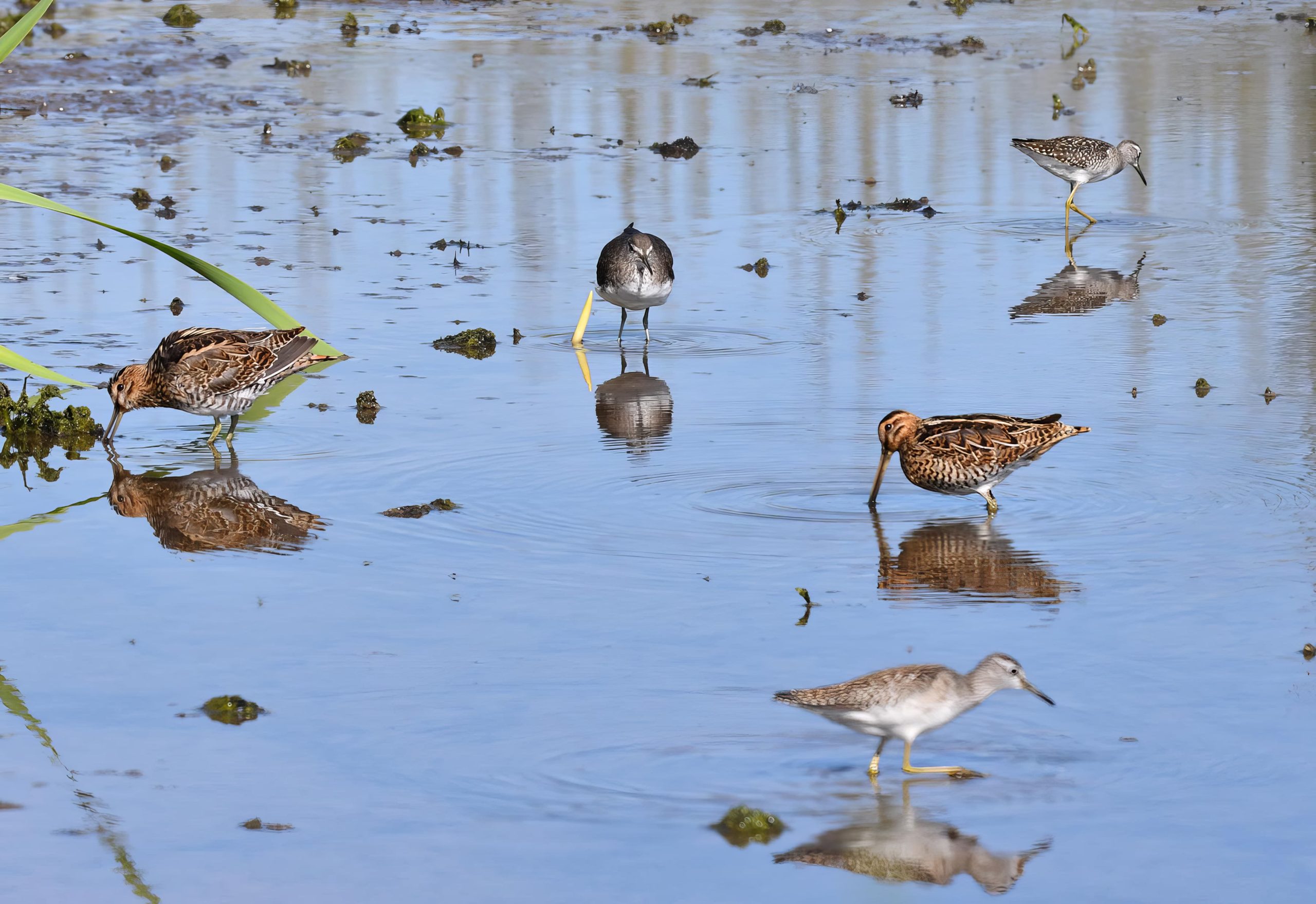
Climate change, habitat changes and recreational activity are some of the factors impacting on wetland birds that migrate to Ireland each winter.
That is according to a major study published by the National Parks and Wildlife Service (NPWS) on World Wetlands Day which takes place today (February 2).
The ‘Status and distribution of wintering waterbirds in Ireland’ report includes over 30 years of data on 63 of the different species of waterbirds that visit Irish wetlands from autumn onwards each year.
The report is based on data collected through the annual Irish Wetland Bird Survey (I-WeBS), which is funded by the NPWS and delivered by BirdWatch Ireland.
Data is gathered by an extensive network of skilled volunteers and NPWS staff who survey hundreds of wetland sites across Ireland, including many of Ireland’s Special Protection Areas (SPAs).
Birds
Ireland is of global importance for migratory waterbird species including ducks, geese, swans, waders and gulls that travel from as far as the Canadian Arctic, Siberia, or Iceland.
The findings of the study show mixed fortunes for migratory waterbirds in Ireland over the past three decades.
18 species have increased over the past 30 years, including the Black Tailed Godwit and Little Egret.
Some of the species in decline include the Curlew and the Tufted Duck.
There are positive signs for some wader birds, with seven of 15 wader species showing signs of recovery in recent years.

The report finds that there is no single pressure driving negative impacts on waterbird species but rather a combination of interacting pressures, including: climate change; direct mortality from avian influenza (bird flu) or hunting; habitat loss and degradation; collisions with infrastructure; disturbance and displacement from recreational activities.
These pressures can contribute to decreased breeding productivity and/or increased mortality which ultimately leads to population declines.
“Ireland’s waterbirds are in trouble and more than ever we need solid, scientifically robust information tracking their status," Helen Boland I-WeBs Programme manager at BirdWatch Ireland, said.
"The Irish Wetland Bird Survey indicates that we have lost one third of our wintering waterbirds since data collection began.
"The data collection is the product of thousands of hours of waterbird surveying every year, carried out by over 1200 people - mostly volunteers - over more than three decades," she added.
Study
Minister of State for Nature, Heritage and Biodiversity Christopher O’Sullivan acknowledged "the dedication of the many volunteers who committed their time, expertise and passion to gather the data" for the survey.
"Long-term data, such as that provided by the I-WeBS survey, is vital in guiding decisions on how best to protect these species and manage their wetland habitats.
"White’s Marsh in Co. Cork, which is an important stop over for Black-tailed Godwits, Lapwing and other waterbirds, was recently acquired by the National Parks and Wildlife Service and the plans underway there are just one example of how we can restore wetland habitats to ensure that these incredible birds return to us year on year," he said.
"We can all play a part in protecting our waterbirds. Simple actions like keeping your dog on a leash in wetland areas, and keeping your distance from them during their feeding and resting periods will help these birds survive the winter periods," the minister added.