Striving for quality silage in 2026

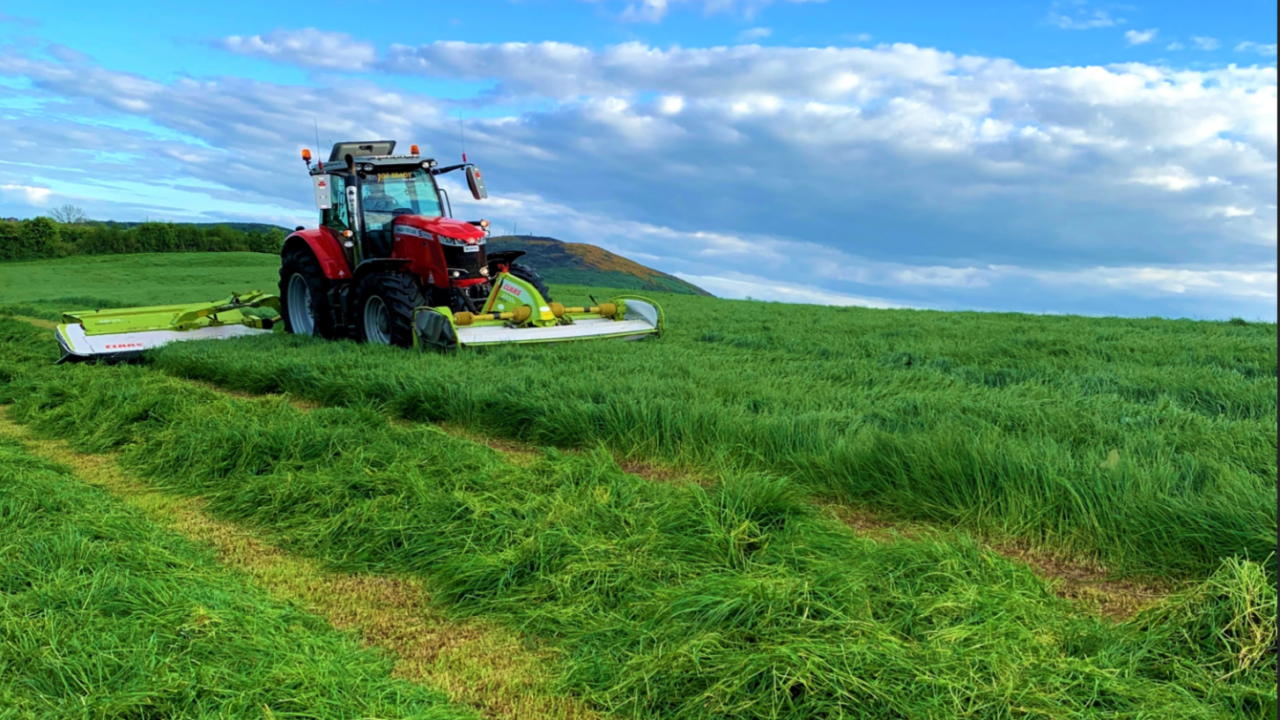
The hum of mowers is echoing across the country with many farmers knocking grass over the last week now that there is a bit of good weather.
There is no doubt that there areplenty of split decisions regarding silage-making this year and cutting dates considering how wet the spring has been.
Many farms will not get a look in until June considering the late fertiliser applications this year in wet areas.
But on the other hand, the silage season will be well and truly underway in drier areas once this patch of unsettled weather passes over.
The scattered showers forecast for the week ahead will bring a halt to cutting, but grass growth will be through the roof, surpassing 90kg DM/ha in areas, meaning it will be full steam ahead in the next dry spell.
Silage quality
The first thing we think of in regard to top quality silage is the savings that will be made on supplementation and concentrates input.
However, silage quality has a much larger role than just minimising concentrate usage when it comes to the farm's profitability.
Its impact on animal performance can be seen through milk solids produced, milk from forage ratio, and improved rumen health.
As well as that, we can also see the impact of silage quality from a beef perspective.
When high DMD silage is fed to cattle, liveweight gains are improved, and it takes less time to finish an animal, which results in savings through slurry and shed space.
Where a cutting date is earlier in the season and high DMD forage is produced, animal performance levels can be optimised from lower levels of concentrate input.
Milk yield based on silage, according to Teagasc, is as follows:
| Concentrates (kg/cow/day) | ||||
|---|---|---|---|---|
| Silage DMD | 0 | 4 | 8 | 12 |
| 79 | 23.6 | 29.1 | 32.8 | 32.0 |
| 75 | 27.1 | 29.3 | 28.8 | |
| 69 | 24.7 | 27.3 | 30.1 | |
Source: Teagasc
The table above shows the amount of extra meal required to make up for the poorer quality silage, with an extra 4kg/meal /cow/day needed to produce the same amount of litres/cow when feeding 75% DMD compared to 79% DMD.
Grass silage was costing roughly 22c per kg/DM in 2025; meanwhile concentrates were costing roughly 40c.
So to bridge that gap you would be spending an additional 18c/cow/day, or €2,700 over a five-month winter for 100 cows, which would be for winter milking farms keeping production up over the housed period.
Now obviously we have to work with the year and make due with the opportunities presented to us, not everyone will be able to get early high quality cuts.
But being ready to pull the trigger and get silage cut as early as possible will be essential to ensure there is good quality silage reserve in the yard for the shoulders of the year.
Bulk cuts for dry cows and non-breeding stock can be got later in the year.
Remember, when two cuts are taken, with the first cut in mid to late May, an extra 1t/ha of dry matter is produced, which equates to 4.5 bales/ha of silage when compared to a system where first cut is take on June 12.
Meanwhile silage cut in early June will struggle to be over 65% DMD as the grass plant enters its reproductive stage, beginning to grow stem and seed heads.