Slaney Catchment Action Plan to improve water quality launched
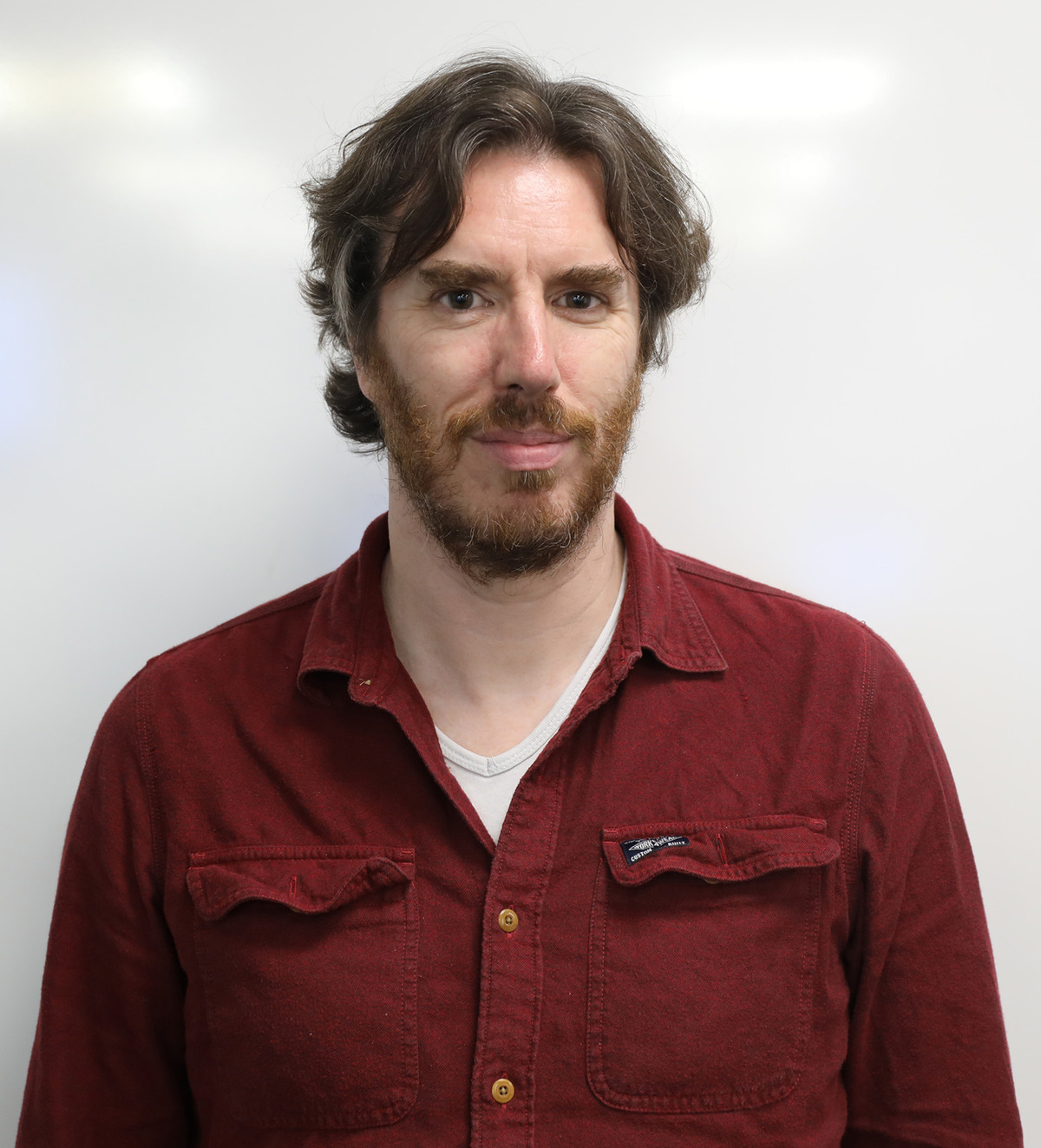

The River Slaney Catchment Action Plan, as part of Better Farming for Water, has been officially launched at the Riverbank House Hotel in Wexford.
The plan was launched by the Minister for Housing, Local Government and Heritage, James Browne.
Establishing specific catchment campaigns is a key initiative of the Better Farming for Water Campaign, which has the overall aim of supporting and accelerating the adoption of actions on all farms to improve all water bodies, where agriculture is a significant pressure.
The Slaney is one of eight priority catchments, along with the Boyne, Barrow, Nore, Suir, Blackwater, Lee, and Bandon-Ilen rivers, highlighted by the EPA (Environmental Protection Agency) as a “catchment of concern”.
Tailored workplans will set clear targets and timelines for implementing water improvement measures at these catchments.
‘Strong collective effort’
Speaking at the launch, Minister Browne said: “There is a strong collective effort across government, the agri-food industry, and by our farmers to improve water quality but we do need to do more.
“This effort is clear in the support government is providing to water quality through the catchment science and assessment work carried out by LAWPRO [the Local Authority Waters Programme], initiatives like ASSAP [Agricultural Sustainability Support and Advisory Programme], the Farming for Water EIP [European Innovation Partnership] and through the investment from co-ops, meat processors and advisory services in the provision of advisers to support farmers to implement measures to improve water quality.
“I want to see all stakeholders to continue to work collaboratively on this issue and the Better Farming for Water Campaign is about coordinating and crucially expediting this effort.”
“Water quality is not just the concern of the agricultural sector. It is an area that my department is significantly investing in.’’
Prof. Frank O’Mara, director of Teagasc said: “I wish to convey my thanks to all who have contributed to the development of the Slaney Catchment Action Plan, especially the Water Quality team in Teagasc.
“I further wish to acknowledge the members of the Slaney Catchment Implementation Group Oversight Committee, whose generous commitment of time and expertise has been instrumental in supporting the formulation of this plan.”
Chairperson of the Slaney Implementation Group, Pat Murphy, commented: “The Slaney Catchment farmers are rightly very proud of the Slaney’s rich heritage, and the Slaney Catchment Action Plan sets out to achieve the necessary improvement in water quality through the co-ordinated actions of a broad coalition of stakeholders.
“It is now essential that every farmer in the Slaney supports the Better Farming for Water initiative.
“Working together, we can deliver significant water quality improvement while protecting the livelihoods of farmers and those in the agri-food industry.”
Tirlán chair John Murphy said: “Over the next three years, as we work collectively to retain the nitrates derogation, Tirlán will continue to partner with our farm family co-op members, Teagasc and all stakeholders to intensify our efforts across the entire Tirlán catchment.
“We are now applying the learning and proven approaches from the Slaney to other priority areas, moving beyond individual projects, and embedding water quality improvement as a core part of how we support farming across our full supply base.”
At the launch, a booklet was produced outlining the six of the Slaney Catchment programme, including: stakeholder engagement using a multi-actor approach; building awareness using detailed maps on water quality; upskilling programmes for farmers, advisers, teachers and industry professionals; an impactful knowledge transfer programme; a supporting research programme; and a communications plan.