Should the EU re-classify wool to become a non-waste product?

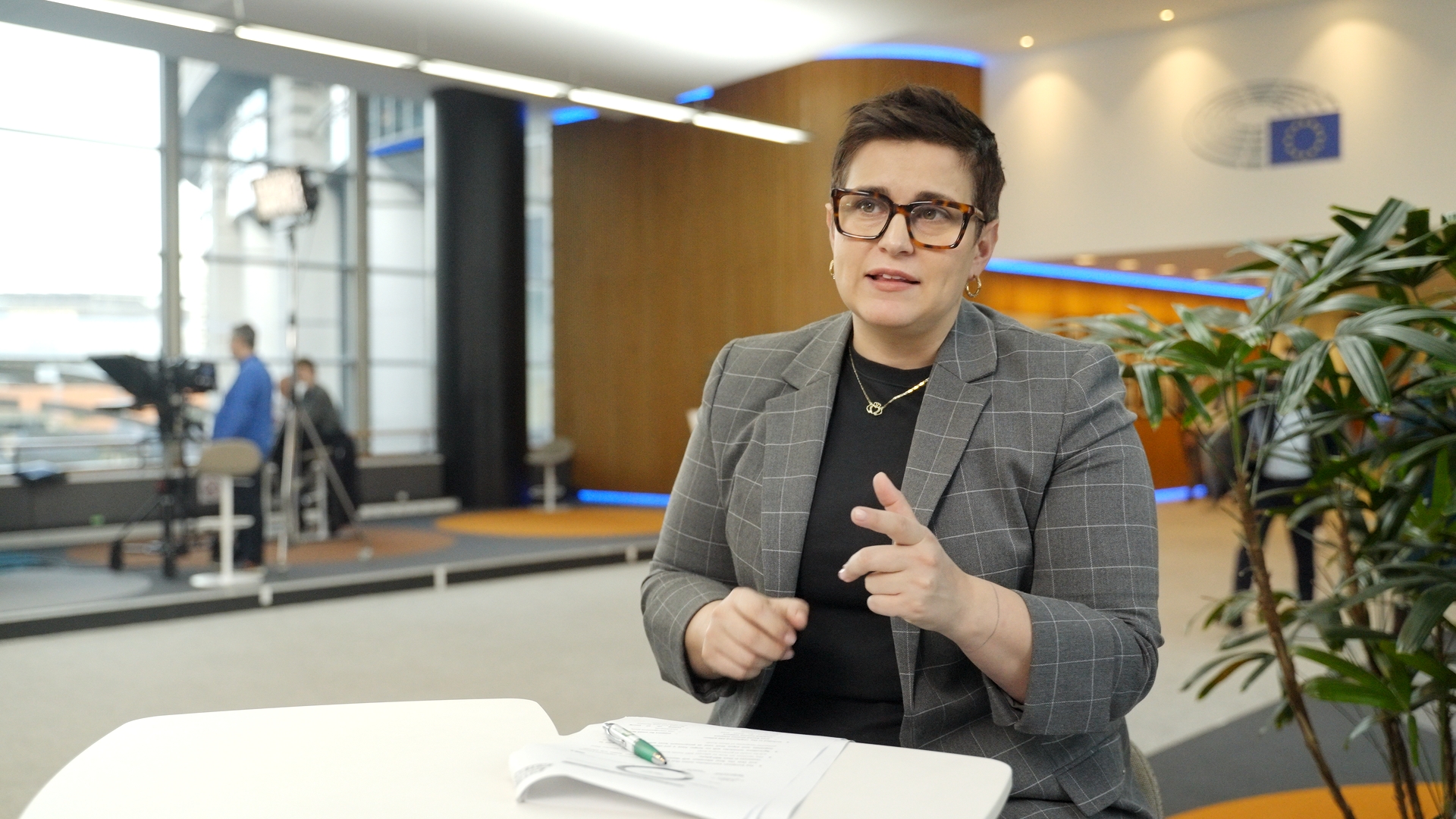
Ahead of opening European Wool Day in Kerry this weekend, MEP Maria Walsh has called on the European Commission to urgently reform EU rules that classify wool as a waste product.
Fine Gael MEP Maria Walsh, a full member of the European Parliament’s Agriculture Committee, will officially open Europe’s largest wool conference in Tralee, Co. Kerry tomorrow, Saturday, March 28
The Midlands North West MEP has written to the European Commission seeking a reclassification that would allow farmers to use this fibre directly as fertiliser and reduce unnecessary costs on farms.
MEP Walsh said: “Wool is one of the most undervalued resources in European and Irish agriculture today, and nowhere is that more evident than in how it is treated under EU law.
"At the moment, wool falls into the same category as carcasses, blood and other animal by-products, despite posing significantly lower risks.
“This outdated classification means farmers are often forced to treat wool as waste – bearing the cost of storing, cleaning or disposing of it – rather than being able to use it productively on their own farms.
“This does not make sense. Wool is a natural, biodegradable material with real value."
The MEP has stressed that the high nitrogen content and slow decomposition of wool make it an excellent fertiliser.
However, farmers are currently prohibited from applying it directly to land without expensive processing.
“We need a common-sense approach. The European Commission must review the Animal By-Products Regulation and introduce a lower-risk category for wool, recognising it for what it is: a renewable agricultural resource, not a liability," Walsh added.
“Reclassifying wool would reduce costs for farmers, cut unnecessary waste, and support more sustainable farming practices at a time when input costs remain high.
“As a farmer myself, and as someone representing regions with strong sheep farming traditions, I see first-hand the frustration of producers who cannot find a viable market for their wool.
"In many cases, the price received does not even cover the cost of shearing," she added.
The MEP said that if the EU is serious about supporting rural communities and building a more sustainable bioeconomy, it must change the way it values materials like wool.
“European Wool Day is an important opportunity to bring this issue to the fore," she continued.
"We need stronger voices from across the sector to engage with policymakers in Brussels and ensure that wool finally gets the recognition it deserves.”