Sheep more likely to show 'obvious clinical signs' of bluetongue than cattle - DAFM

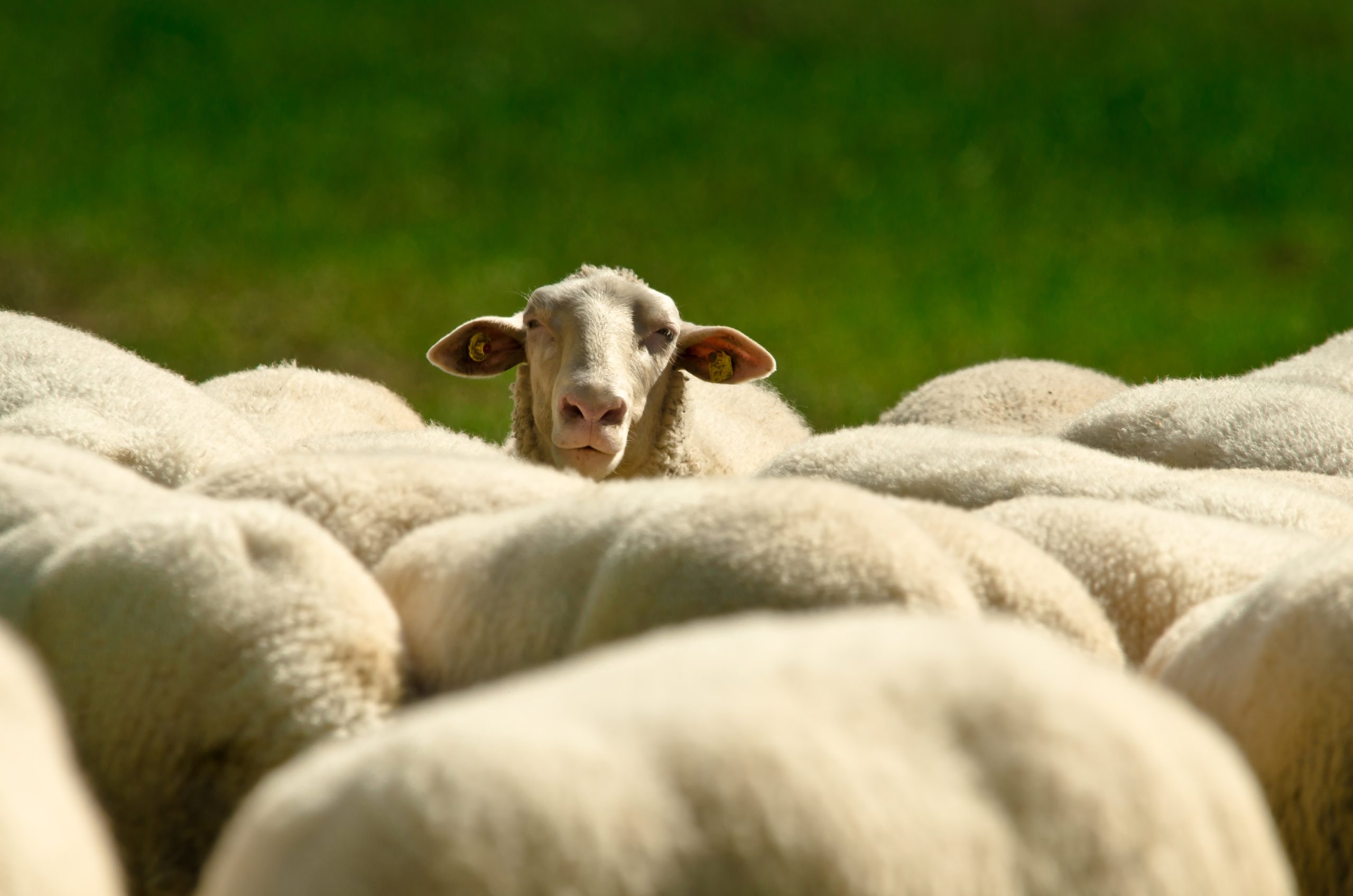
Sheep are more likely to show obvious clinical signs of bluetongue than cattle if they become infected, and mortality rates can be as high as 70%, according to the Department of Agriculture, Food and the Marine (DAFM).
Some animals may not show any clinical signs however, and these animals can pose a risk for spreading the disease to new areas or countries, DAFM said.
Minister for Agriculture, Food and the Marine, Martin Heydon has confirmed that an outbreak of bluetongue has been detected in Co. Wexford.
He said in a statement: “My department has detected a bovine infected with bluetongue virus serotype 3 (BTV-3) in a herd in Co. Wexford.
"This is unwelcome news but unfortunately it is not surprising, given the spread of this virus across Europe, Great Britain and recently Northern Ireland.
"Firstly, I want to emphasise that bluetongue cannot infect people and does not pose any food safety or human health issue.
"This finding arose from the routine ongoing surveillance my department has been carrying out, so that we can find the disease as early as possible."
What is bluetongue?
Bluetongue is a notifiable exotic viral disease caused by bluetongue virus which can cause severe clinical signs in ruminant species and camelids.
There are different serotypes (variations within the species) of bluetongue virus.
Bluetongue virus can infect and cause severe clinical signs in ruminant species (including sheep, cattle, goats and deer) and camelids (such as llama and alpaca).
Clinical signs
Cows infected with bluetongue can show symptoms of fever, lameness, respiratory disorders, drooling, facial swelling and cyanosis of the tongue.
In some cases, strains can cause stunted growth, death and abortions in infected animals.
Sheep are more likely to show symptoms and signs of bluetongue than cattle.
Unfortunately, this means that the illness is harder to detect in cattle, which can make it more likely to spread.
DAFM has outlined a wide range of clinical signs to look out for.
These include:
- Fever;
- Inappetance (loss or lack of appetite);
- Drop in milk yield;
- Apathy, lethargy;
- Lesions, sores, reddening and/or ulcerations;
- Swelling of the face, lips and tongue (i.e. “bluetongue”);
- Breathing difficulties if the tongue swells;
- Increased salivation and drooling from the mouth;
- Discharge from the eyes and/or nose;
- Lameness (due to periarthritis, hoof sloughing, swollen legs);
- Abortion, stillbirths or deformities in offspring;
- Possible death in severe cases.
If you suspect your animal has bluetongue
If a farmer is concerned that one of their animals has bluetongue, DAFM urges them not to delay in taking action.
"Isolate the suspect animal(s) indoors immediately and report the case to DAFM," the department said.
"Farmers, veterinary practitioners, and other relevant stakeholders should remain vigilant for transmission."
Risk
Ireland entered a higher risk period for bluetongue in summer 2025, due to the following factors:
- Increased temperatures in summer, making it more likely for the virus to replicate and spread;
- The virus spreading across much of England and other parts of the UK;
- A risk from imported livestock, even though controls and restrictions are in place.