Sheep advice: Dealing with surplus/orphan lambs


Virtually every sheep farmer will, for one reason or another, end up with a lamb that will need to be reared artificially or as an extra lamb outside of the conventional two-lamb scenario, according to Teagasc.
Head of sheep knowledge transfer, Michael Gottstein has shared some key rearing strategies.
According to Gottstein: "All lambs born represent an opportunity to increase farm output and profit.
"Therefore, having a system in place to deal with surplus lambs (triplet/quad born lambs, rejected lambs, weak and sickly lambs, lambs from ewes that die or develop mastitis) is important.
"There are a number of different options to deal with surplus/orphan lambs."
Cross-fostering to single bearing ewes
According to Gottstein, cross-fostering to single-bearing ewes is the best option for dealing with surplus lambs where there are single-bearing ewes available to do the job.
He outlined that the best results will be achieved where the following conditions are met:
- Use only ewes that are healthy, good milkers and in good body condition;
- Once a single-bearing ewe lambs, remove her lamb immediately and replace it with the lamb that you wish to foster - for this reason it is a good idea to have the orphan lambs penned close to where the single bearing ewes will be lambing;
- Having the surplus lamb washed will help to remove the scent of its dam and makes it easier to ‘adopt’ the scent of the new dam;
- Rub some of the foster ewes lambing fluids on the lamb to be fostered. Secure its feet (Cable ties or baler twine) so that it cannot get up;
- Keep the newborn lambs warm and out of sight for 20 minutes to allow the ewe to bond with the foster lamb and then replace the newborn lamb. Do not forget to remove the cable ties from the foster lamb at this stage;
- Observe for a 24-hour period to make sure that the ewe does not reject a lamb;
- Number the ewe and lambs on the side with some spray marker with an F to indicate that the lamb is fostered so that they can be easily monitored after turnout;
- If the ewe changes her mind and rejects a lamb, take prompt action to either remove the lamb or put the ewe into a fostering crate.
Rearing triplets on mature ewes
Where there are not enough suitable ewes available on the farm to foster surplus lambs onto, it is possible to allow the ewe to rear all three lambs, Teagasc's Gottstein explained.
In order for this to be successful, the following criteria should be met by the ewe being selected to rear three lambs:
- Only use healthy ewes in good body condition with good milk supply;
- Mature ewes are more suited due to higher milk supply;
- All three lambs must be evenly sized;
- Ewes rearing triplets must be treated as a separate flock and should have access to good quality grass post-lambing (at least 5cm);
- Ewes should also receive 1kg meal per day for the first three weeks after lambing and where grass is scarce this should be continued for an additional three weeks;
- Offer the lambs creep feed ad lib from one week of age until they are six weeks-of-age. Restrict creep feed to 300g per day from six weeks to weaning.
Rearing surplus lambs artificially
In the event that surplus lambs are not accommodated on ewes, then artificial rearing is a viable option, Gottstein said.
"Young lambs need to be fed three to four times daily," he said.
"There are a number of options available from simple bucket and nipple feeders to feeders that keep the milk warm to fully automated feeders which mix the milk powder with warm water according to demand.
"The best options in terms of lamb performance are the ad libitum feeders. Where lambs have milk continually available to them, growth rates are maximised."
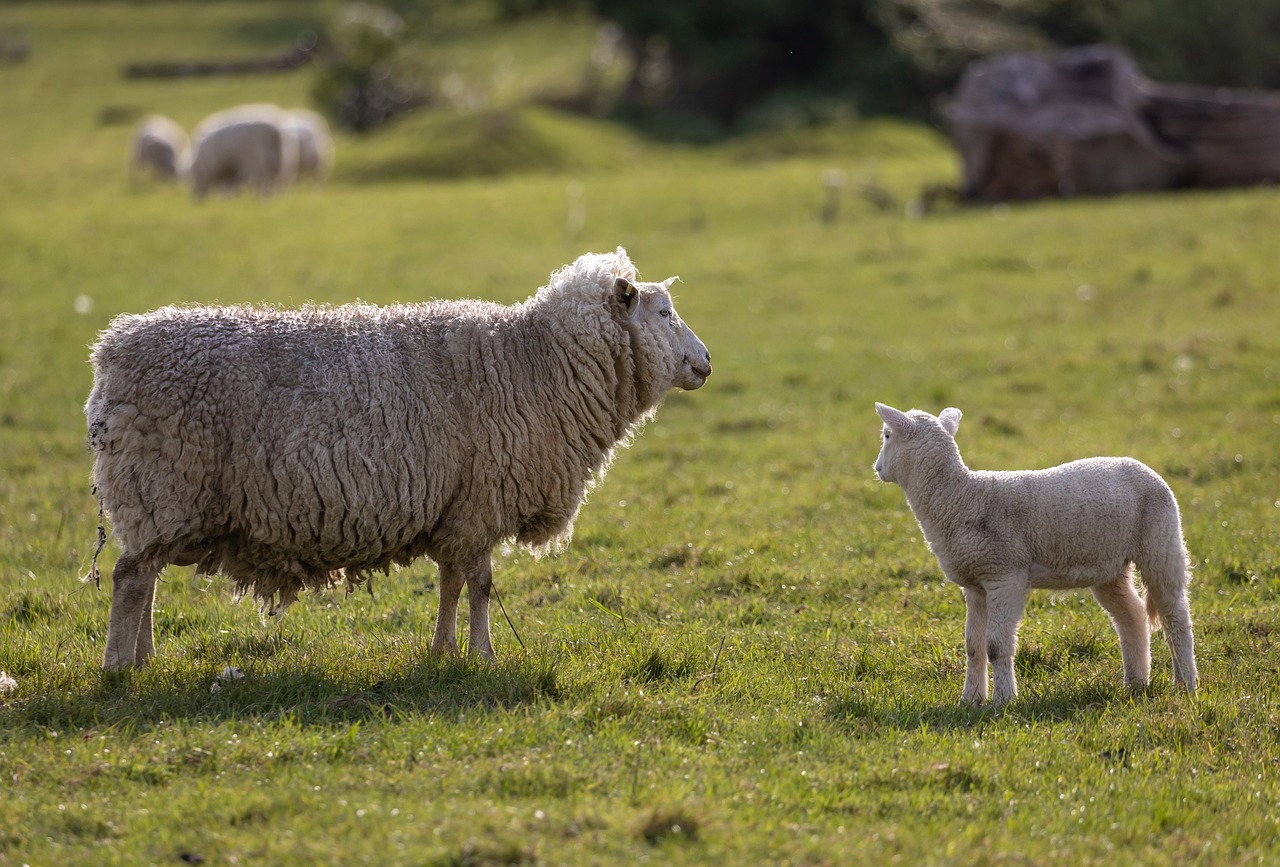
Gottstein said that if done correctly, lambs are "generally ready to be weaned off milk at five weeks-of-age", and can be turned out to grass and concentrates at eight weeks-of-age or finished intensively indoors at additional expense.
"Expect lambs on this system to consume about 13-15kg of milk powder per head," he added.
Selling surplus lambs
Real-time online advertising allows for surplus lambs to be advertised for sale "quickly and easily", Gottstein said.
"It is important to remember that not every lamb will be suitable for sale," he added.
"Therefore, even where the intention is to sell surplus lambs, there needs to be a system available to feed lambs until they are sold and also for those that are not saleable (injured, small and sickly).
"Lambs offered for sale must be tagged and accompanied by a dispatch document.
"It is important to factor in the cost of rearing lambs to the point of sale and the potential revenue that can be achieved by rearing lambs in the sale price of these lambs."