Setting the platform up for spring grazing

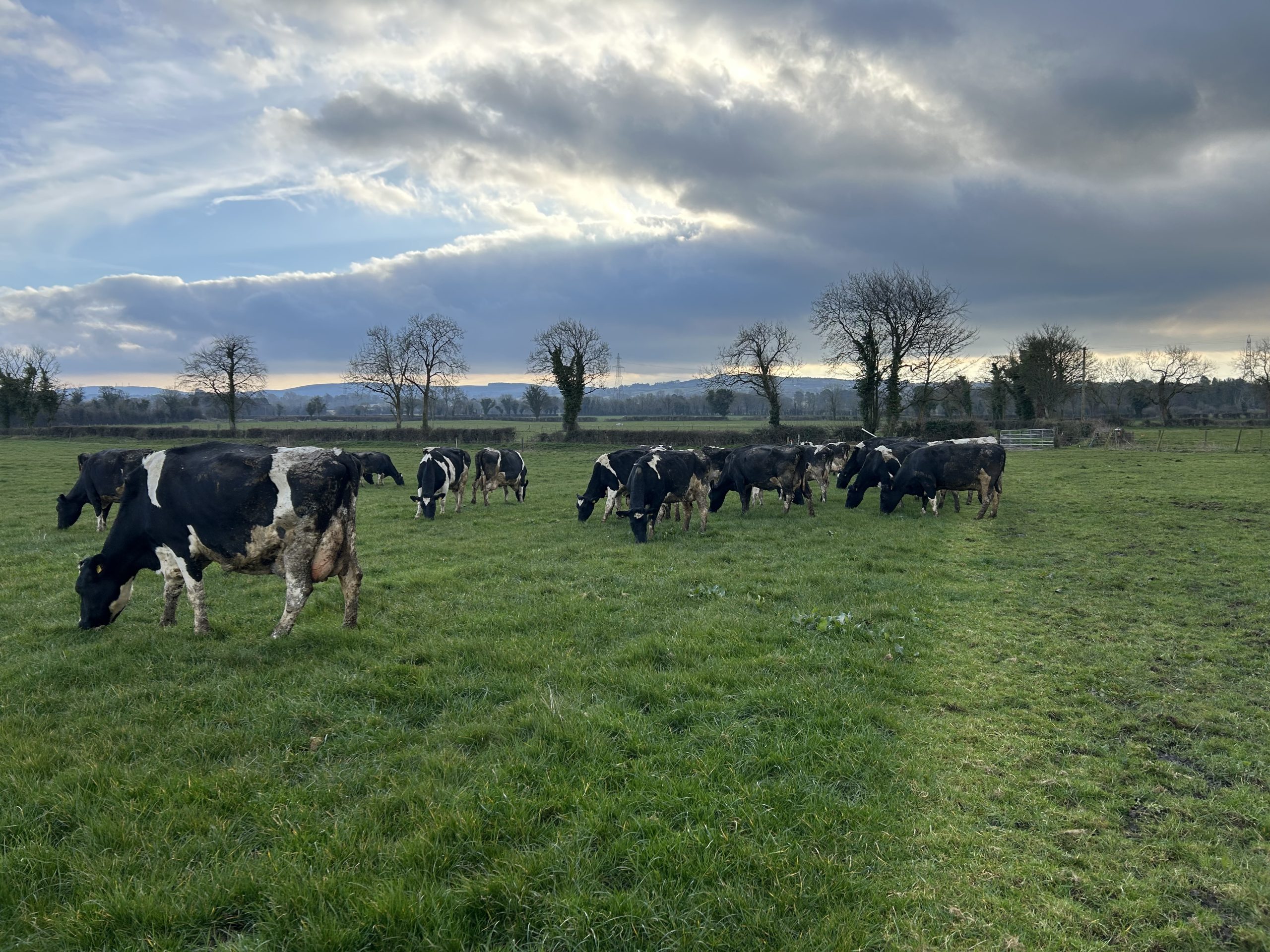
Getting cows out to grass is still looking like a distant task, considering the current saturated condition of paddocks following the wet weather.
However, farmers should still consider preparing the grazing platform so cows can get out to grass without delay once conditions allow.
Spring grass is now valued at anywhere up to - and in some cases over - €4/cow for each extra day they get out.

Cows in their early lactation benefit far more from consuming grazed grass than silage to manage body condition score (BCS). On top of that, silage reserves will start to quickly diminish.
And with the way milk prices have gone, getting cows out as early as possible is essential to utilise that spring grass and boost margins.
Grazing
Even though grazing will not begin for another few weeks at least on most farms, grass walks can still begin as to monitor the farm's average farm cover (AFC).
Once you have the farm's AFC, a spring rotation planner can be drawn up to determine which paddocks need to be grazed first in a bid to maximise the amount of grass in the diet and minimise the amount of silage fed.
The spring rotation planner will aid you when allocating grass for your cows each day, and make sure you do not end up finishing your first round too soon.
Teagasc grazing targets for the spring are that of 30% by March 1; 65% by March 17; and 100% by early April. These targets are about 10-12 days later for heavy/wet farms.

However, flexibility is needed as there is no point having 30% of the farm grazed by March 1 if 25% of it is going to be severely poached.
Light covers should be grazed first to reintroduce grass to the diet and prevent wastage, as you will only have a small number of cows calved and their dry matter (DM) intakes will be low.
As more cows calve down, the herd can begin grazing the heavier covers, as their appetite will have improved and hopefully weather conditions will be more favourable.
Preparation
Ahead of the grazing season, more than grass preparation is needed to ensure things go smoothly.
The power in all the fences needs to be checked, ensuring it is not earthing anywhere and that there are no breaks in power to any of the paddocks.
Connections to water troughs could be cracked from the bit of frost over the winter, and fencing posts and wires may need to repaired before springers get out to grass.
Reels and pigtails/standards are an essential part of grazing in the spring, as they assist in managing grass intakes, preventing waste, and also preventing paddocks from becoming damaged.
Check that all your reels are in good working order and the wire is still holding power – older wire can become damaged and not hold a current.
Make sure you have well-designed and maintained roadways in place, with multiple gaps into each paddock to prevent poaching.
Paddocks should also be fitted with multiple water troughs to ensure sufficient access and minimised poaching when strip grazing.