Review of penalties for illegal hunting 'underway' - minister

A review of the penalty system for breaching wildlife legislation through illegal hunting is currently underway.
That is according to Minister for Housing, Local Government and Heritage, James Browne.
The Independent Ireland TD, Ken O'Flynn, had asked Minister Browne if he had "assessed the effectiveness of existing penalties as a deterrent" to illegal hunting, coursing, or the use of dogs to kill or injure protected wildlife.
Minister Browne told Deputy O'Flynn that "the National Parks and Wildlife Service of my department (NPWS) is currently undertaking an important project to update wildlife legislation".
The minister added: "This includes the Wildlife Act 1976, the Wildlife (Amendment) Act 2000, the European Communities (Birds and Natural Habitats) Regulations 2011 and significant regulations made under these provisions.
"A review of the penalty system is underway and forms a central part of this project."
The minister also outlined that the NPWS is building on its joint protocol with An Garda Síochána, who have the powers and functions to enforce wildlife legislation similar to the NPWS and in providing "mutual support" on wildlife crime issues.
"Citizen reporting is also an essential element in safeguarding nature and helping prevent wildlife crime," Minister Browne added.
He has urged the public to report suspected wildlife crimes to An Garda Síochána or the NPWS.
Illegal hunting
Separately speaking to Agriland Irish Farmers' Association (IFA) Crime Prevention executive, Barry Carey, said there has been a rise in cases, and that "what used to be certain times of the year is now 365 days a year".
According to Carey, illegal hunters enter land without farmers' knowledge or permission to engage in the activity.
He said trespassers also engage in coursing and in instances of worrying livestock and "blooding", where they let dogs loose and encourage them to chase and kill farm animals.
Carey said: "We call that lurching. They go out in gangs, you could have six or eight fellas and maybe five or six dogs.
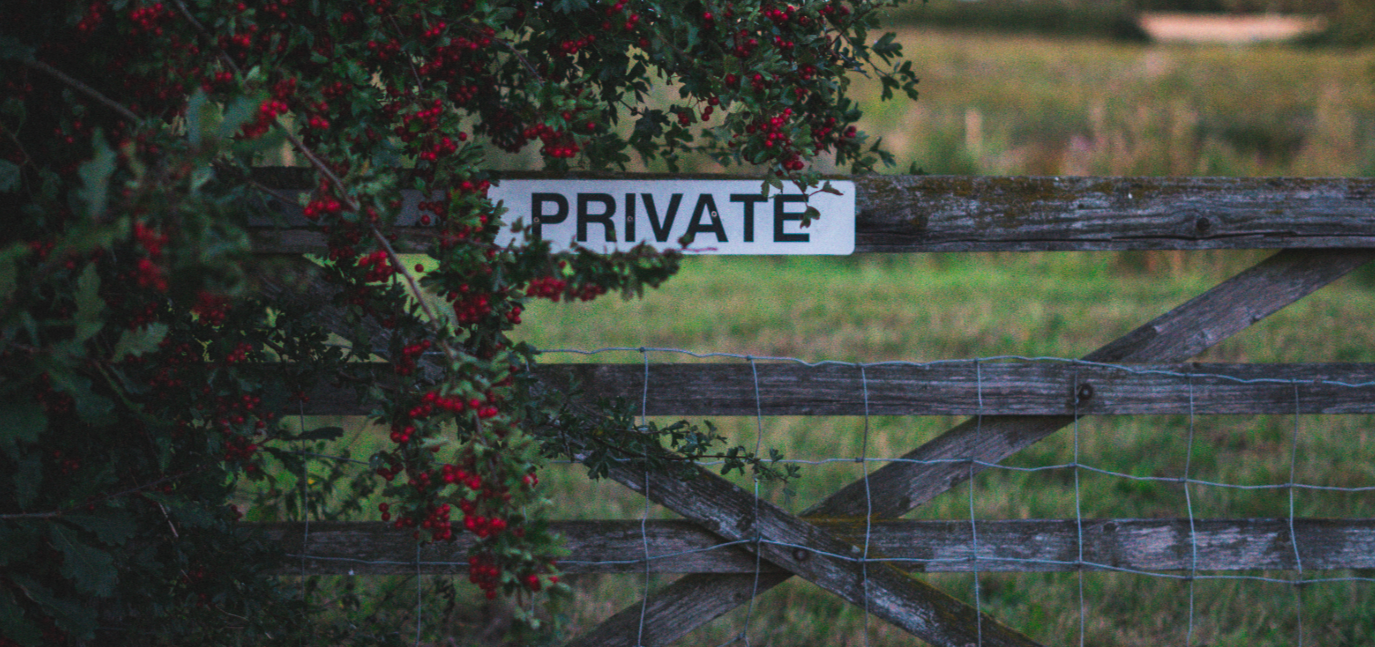
"Regardless of the type of farming, regardless of signage, regardless of private property, regardless of the time of year - lambing sheep, ewes in lamb and cattle in calf - they proceed to let the dogs loose.
"The dogs may not attack sheep or the cattle but they worry them they scare them, it's animal worry and if any of the landowners approach there's such a thing as threats and intimidation."

In the context of coursing, Carey highlighted that hares are a protected species under the Wildlife Act, and hunting them without a specific licence or during closed seasons can lead to significant fines, confiscation of equipment, and potential imprisonment.
He added that many of these instances are taking place in rural areas and communities, intimidating farmers when confronted with some cases leading to violence.
Garda advice
The IFA and An Garda Síochána have issued the following advice for farmers and landowners on how to proceed on coming across or in contact with groups or individuals who are on their land and property.
- When contact is made, ask the group or individual to leave the property;
- Do not engage with banter or abusive comments;
- Dial 999 or 112 - do not call your local garda station - ask the operator for gardaí;
- Tell them you are reporting an incident where you have intruders, numbers of men and dogs on your property;
- Have your Eircode, townland, and road number to hand;
- Give the Garda Control Centre the directions of travel of these groups or individuals. Give details where they may end up if travelling between two points;
- If possible, take registration numbers, make, colour and if possible, photos of vehicles involved.
They also advise farmers and landowners to stay in the area and observe all activities, so that they can advise gardaí on arrival.
Farmers should also post details on community text/alert and WhatsApp groups.
Farmers can also report cases of illegal hunting on their land to the NPWS.