Reducing chemical nitrogen use identified as an 'action' to fight climate change

The government is set to release details today (Friday, November 14) of the "actions" it wants the agriculture, forestry and seafood sectors to take as part of a national effort to tackle climate change.
Against the backdrop of a number of rain and wind warnings, including a Status Orange for three counties which is due to come into effect from 2:00p.m today to 11:00a.m Saturday, the Taoiseach has issued another stern climate change warning.
With the impact of Storm Amy, the first storm of the 2025/2026 season, still fresh in people's minds and Storm Claudia now underway, Micheál Martin said that Ireland "must continue to build climate resilience".
"The science is clear and failure to act is a risk too great for our people, our society and our economy.
"This means progressing our work to cut greenhouse gas emissions in the coming years, while also adapting to the increasing impacts of climate change in our communities," the Taoiseach added.
Plans
The government has approved 13 Sectoral Adaptation Plans (SAPs) which aim "to support resilience, competitiveness and economic growth in the face of severe climate change impacts".
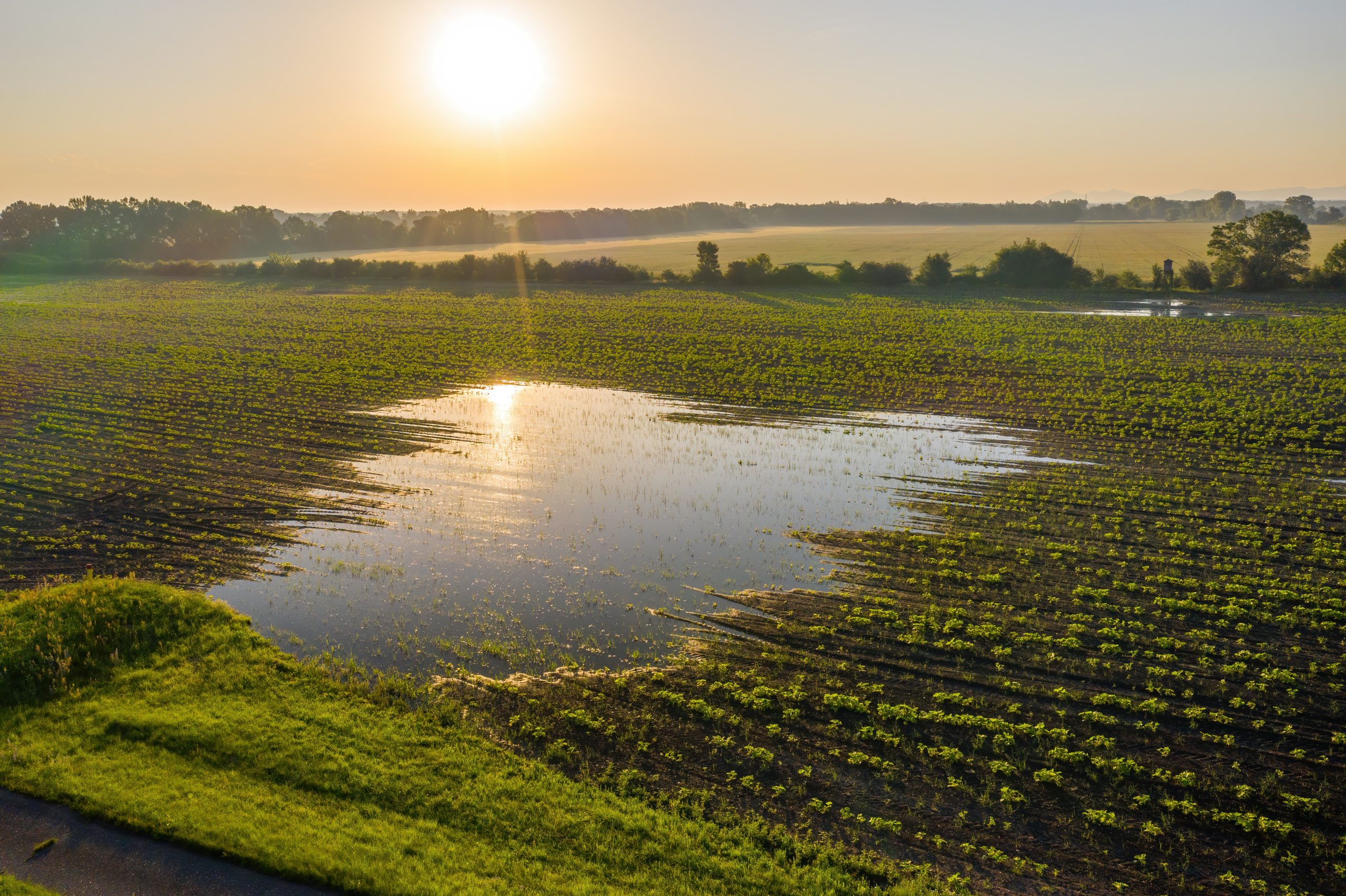
The new adaptation plans aim to target flooding, storms, and infrastructure risks across communities and industry.
Each plan was developed in cooperation with other sectors using Met Éireann climate data.
According to the Minister for Agriculture, Food and the Marine, Martin Heydon, the adaptation plan specifically for the agriculture, forestry and seafood sectors responds to the growing "challenges" presented by climate change.
"Farmers, foresters, and fishers are already experiencing the effects of more frequent extreme weather events, changing growing conditions, flooding, coastal erosion, and increased risks from pests and diseases," the minister stated.
Climate risk
The plan sets out that these sectors "are exposed to a wide range of climate hazards and impacts".
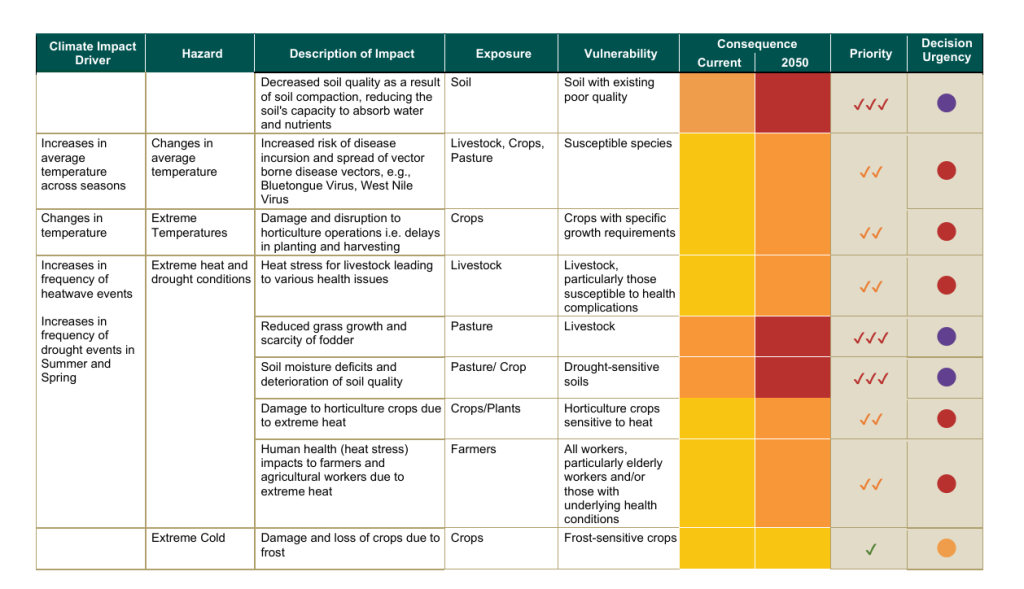
One of the biggest climate risks to agriculture identified in the adaptation plan was "extreme weather conditions such as extreme heat and drought conditions".
In addition to this the plan outlines that extreme cold, and storms can damage crops, livestock, and infrastructure, while flooding and coastal erosion threaten farmlands and buildings.
"These changes also impact the health and well-being of farmers and agricultural worker," it highlighted.
The adaptation plan details various scenarios based on the impacts of potential climate change risks such as increases and decreases in temperatures.
According to the Minister for Climate, Energy and the Environment, Darragh O'Brien, the sectoral plans set out the actions and measures that will be taken over the next few years to protect against the impacts of climate change.
Actions
A range of actions have also been developed for the agriculture, forestry and seafood sectors to "strategically address the complexities of climate change".
In relation to agriculture these include actions to "enhance and restore land and water resources".
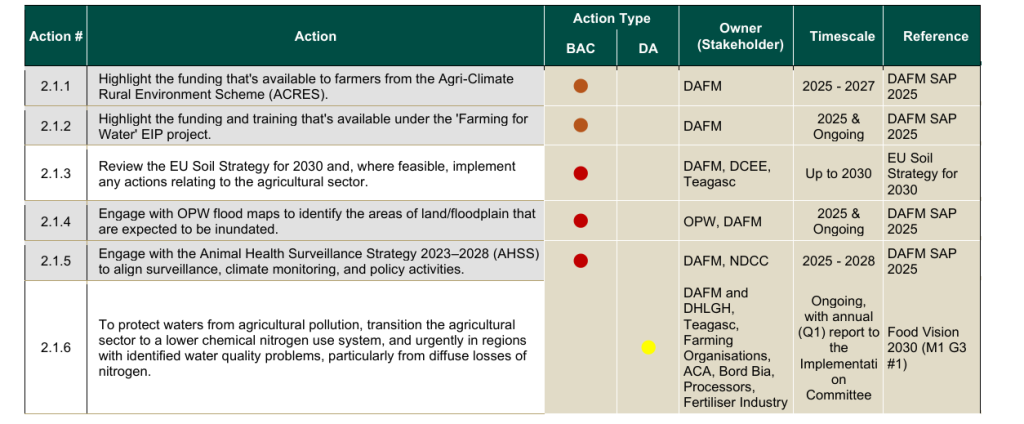
Other "actions" include the restoration and management of grazed peatland habitats, through, for example, European Innovation Partnerships.
The adaptation plan also sets a number of actions specifically for the forestry sector including implementing the "redesign and habitat restoration measures for forests on peatlands based on the best available science".