Sponsored
Putting safety at the heart of Ireland's biomethane sector

Sponsored by

Ireland’s biomethane sector will not be judged solely on the amount of renewable gas it produces.
For farmers, contractors and rural communities, the way anaerobic digestion (AD) plants are designed, built, and operated will matter just as much.
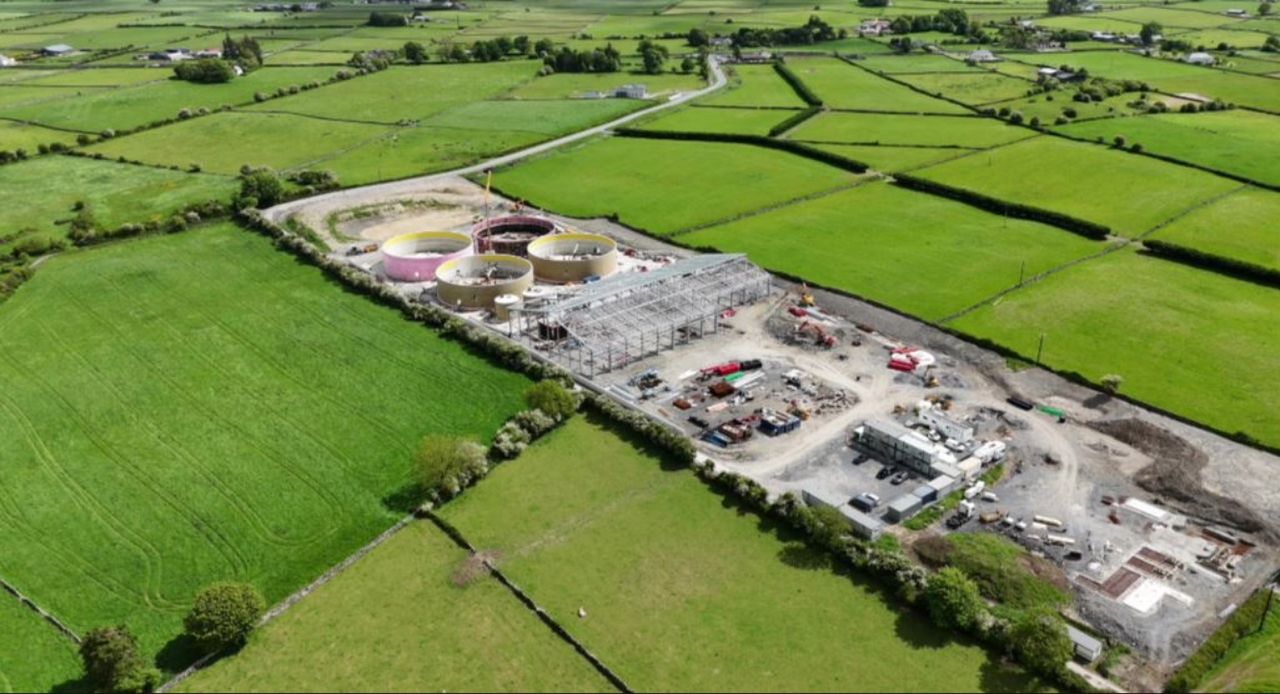
That thinking is central to Nephin Renewable Gas’ agri-based biomethane facility near Ballinrobe, Co. Mayo.
The plant is currently under construction on a 4.4ha site at Levally, around 4km north-east of Ballinrobe.
Commissioning is expected to begin later this year, with first gas anticipated in early 2027.
Health and safety
Graeme Lochhead, managing director of Nephin Renewable Gas, said health and safety must be embedded from the outset.
He said: “At Nephin, we take a Safety by Design approach.
Safety is not an add-on - it is part of how we design, plan and deliver our projects, from the first shovel in the ground through to day-to-day operations."
A well-run AD plant starts long before the first load of feedstock arrives.
The layout of a facility affects how safely it can be constructed, operated and maintained, while also shaping the day-to-day experience of staff, contractors, drivers, visitors and maintenance teams.
That means considering early on how vehicles move around the site, where people walk, how feedstock is received, and how plant areas are accessed.
Small design decisions can make everyday work more efficient, easier to manage, and significantly safer.
Nephin RG supports this through a comprehensive safety management system designed to identify risks early, implement controls and manage safety throughout the life of the facility.
The goal is to remove avoidable risks at the design stage and ensure any remaining controls are practical and easy to understand.
Nephin RG works closely with experienced AD contractors on design reviews and early risk assessments so the plant can be planned with maintenance access, vehicle movement and operational safety fully in mind.
Construction considerations
During construction, every activity is assessed before work begins.
Work at height, excavations, lifting operations, groundworks and electrical installations all require detailed planning, supervision and experienced personnel on site.
Visible controls are equally important. Clear traffic routes, designated walkways, effective signage, tidy work areas, and straightforward reporting structures help ensure everyone understands what is expected.
Contractors should know who they report to, drivers should know where to stop, and staff should feel confident raising concerns before small issues become larger problems.
Operational safety
Safety remains a priority once the plant becomes operational. The facility will require clear procedures, planned maintenance programmes and continuous monitoring systems.
Emergency response plans must also be in place, regularly tested and fully understood by those responsible for implementing them.
While systems and procedures are essential, safe operations ultimately depend on people.
Training, regular briefings and specialist AD knowledge help teams work confidently and encourage a culture where people are comfortable speaking up when something is wrong.
Ballinrobe plant
The Ballinrobe project has been developed around the farming landscape that surrounds it.
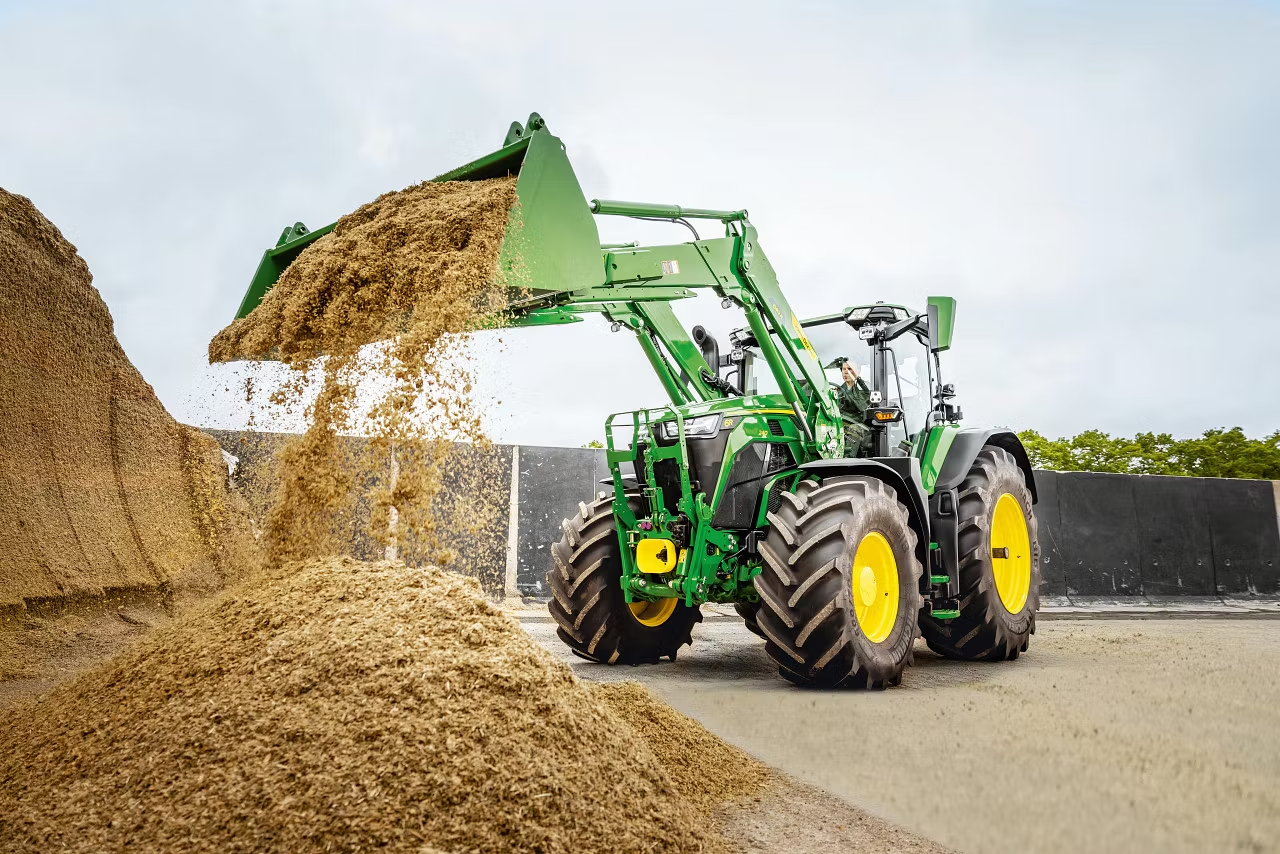
The plant is designed to process up to 90,000t annually of locally sourced agricultural manures, slurries, food processing residues and crop-based feedstocks.
The plant will convert these materials into grid-quality biomethane for injection into the gas network, while also producing nutrient-rich bio-based fertiliser products.
By processing digestate into fibre and liquid concentrate, the project helps keep valuable nutrients circulating within the local agricultural system and provides an alternative to more carbon-intensive conventional fertilisers.
That creates a strong link with the local farm economy, providing a new outlet for materials already available within the region while supporting farmers and suppliers through participation in a renewable energy project.
For the wider community, the project is expected to generate economic activity during both construction and operation.
Building works can support local contractors, suppliers, quarrying, retail and technical services, while long-term operation will create ongoing demand for feedstock supply, haulage, maintenance, and other rural services.
Nephin estimates the feedstock supply value alone could contribute approximately €200 million to the local economy over the lifetime of the project.
Lochhead said the Ballinrobe facility is intended to demonstrate how biomethane can be developed in a way that works for Irish agriculture and rural communities alike.
He added: “Our goal is to help build a new renewable gas sector in Ireland, but it has to be done properly.
"If we put safety, professionalism and good operations at the centre, biomethane can become a long-term part of Irish agriculture."
For farmers, contractors and rural businesses, that means a new industry built on familiar principles: strong safety standards, clear communication, reliable systems, and infrastructure designed for the long-term.
Biomethane Day Ireland 2026
Biomethane is at the core of all our minds. To find out more and meet the experts in biomethane, be sure to attend Biomethane Day Ireland 2026.
This jam-packed day has panel discussions on several topics including:
- Regulation and health and safety;
- Operational feedstock and environmental performance;
- Technologies;
- Construction and development (a developer's view).
It is sure to be an informative, educational day.
Biomethane Day Ireland 2026 is taking place on Wednesday, June 24 in the Radisson Blu Hotel, Dublin (D08 VRR7) from 8:15a.m.
Sponsored by