Procurement staff advise farmers to stop 'panic selling' hoggets

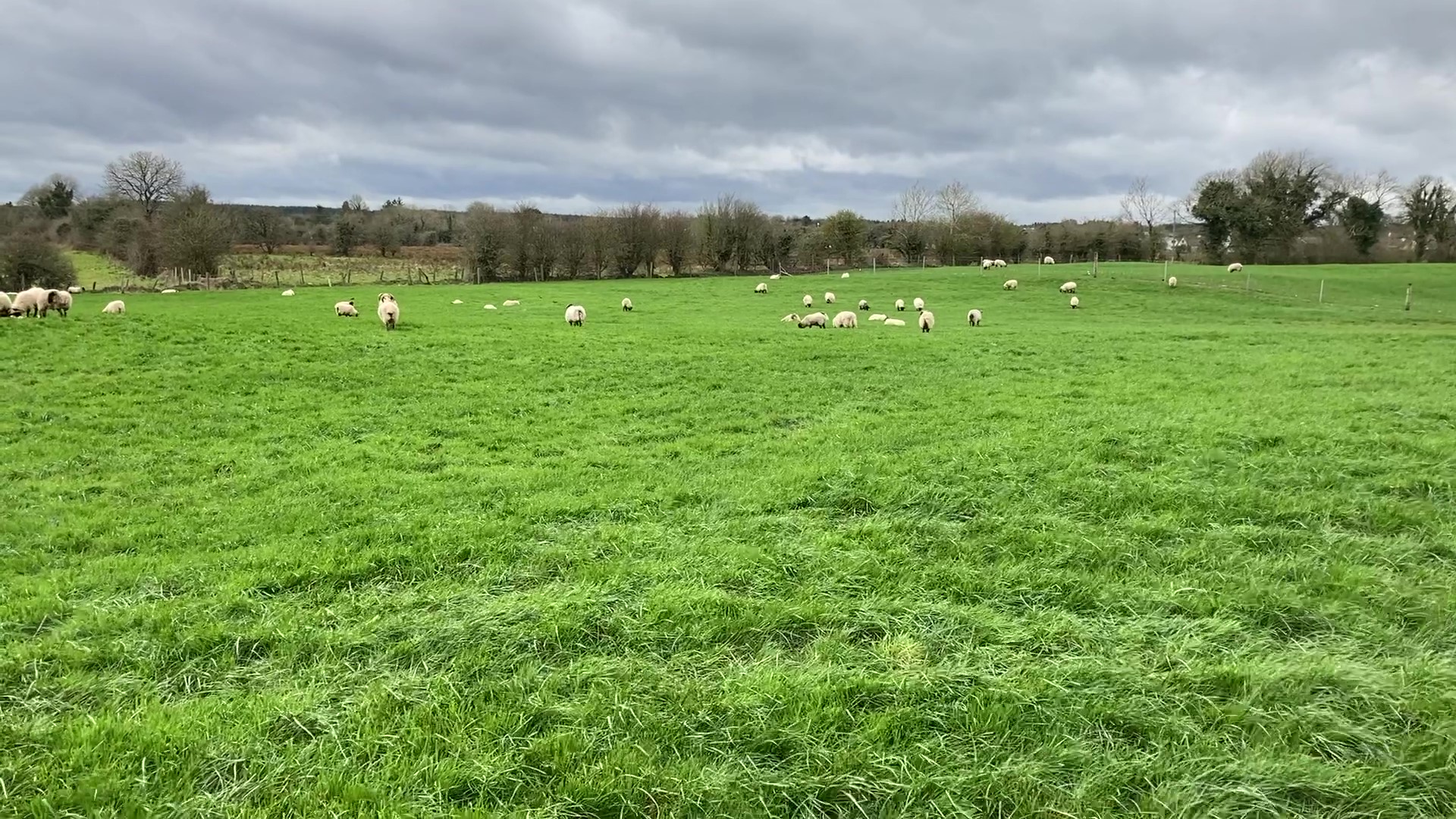
Sheep farmers with hoggets to sell to the factory have been advised by factory procurement staff not to "panic sell" livestock.
One procurement manager told Agriland that the recent heavy rainfall across the country as well as the bluetongue cases in the south-east "have caused a rush to sell" amongst some sheep farmers.
The sheep procurement manager advised sheep farmers not to panic sell and to wait and only sell the stock they have that is ready to be sold.
He advised sheep farmers to "only sell what is fit" and to get all heavy sheep sold, regardless of where they sell them.
Where farmers are not ready to sell their stock, he advised them to move sheep either to better ground or indoors and only sell what is fit to factories.
The sheep factory procurement manager advised that farmers should sell under-fleshed sheep in a mart or directly to a forward finisher as opposed to a factory.
The procurement manager gave confident soundings on the trade in the medium- to long-term saying "the trade should improve in time".
He advised farmers that "panic selling will only cause a temporary [trade] slump" and that "orderly supply is the best way to keep a stable price".
Separately, another lamb procurement manager at a different outlet said that out of spec lambs are causing a major challenge as regards marketing.
This procurement manager said that a high percentage of the lambs being processed are scoring outside the key market specifications, and advised farmers also to only move hoggets on as they come fit for selling.
Sheep trade: Prices for hoggets cut
Last week's sheep trade has seen hogget factory prices cut by up to 20c/kg in cases since the previous Monday.
Procurement staff have told Agriland that the trade for hoggets is "very difficult at the moment", with poor demand being seen from the marketplace and mixed quality batches of hoggets being presented at factory lairages.
This time last year, processers were tabling over €9/kg for hoggets with talk in the trade of prices heading for €10/kg. Prices quoted this week are all below €8/kg.