Pippa Hackett: 'Agriculture needs direction, not distractions'
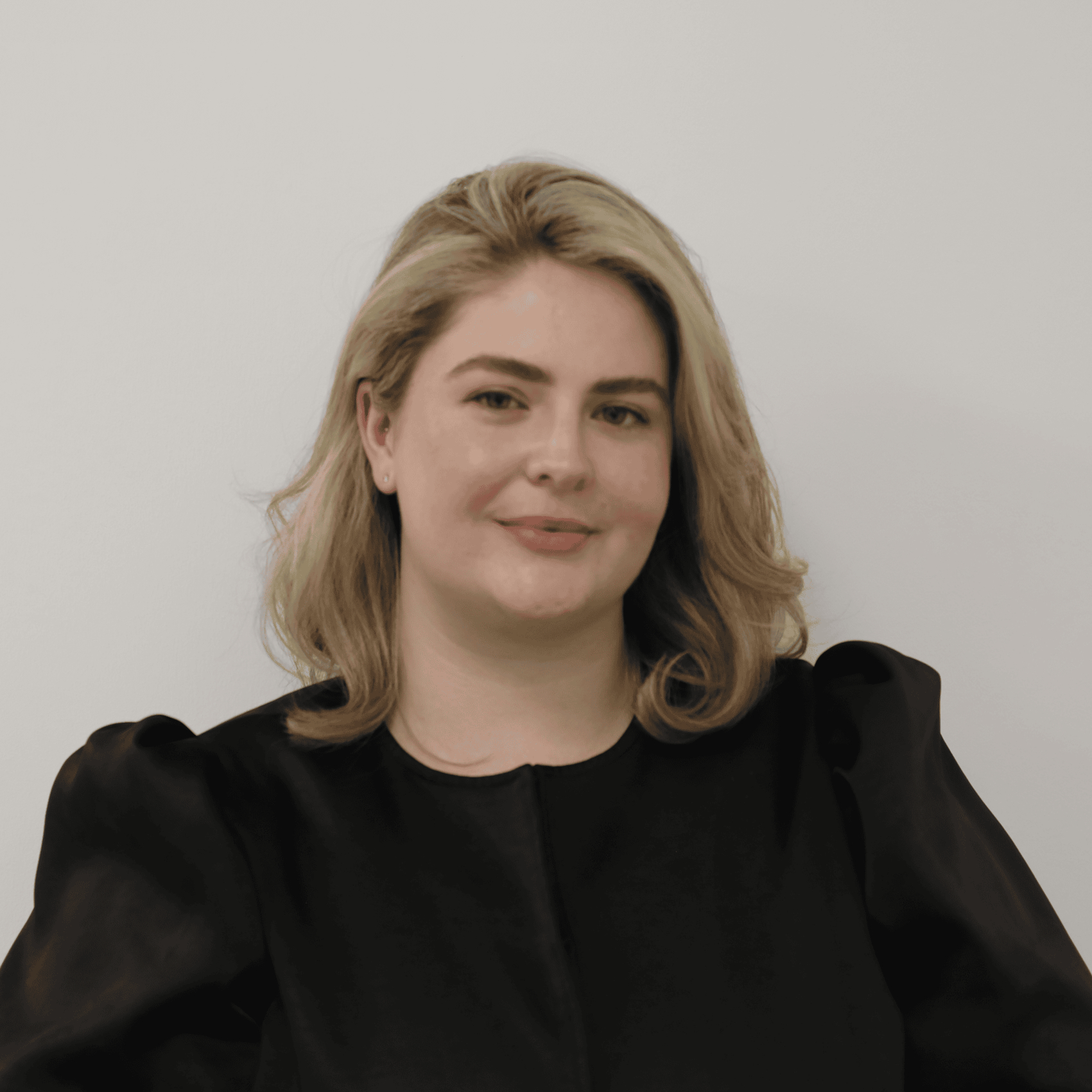

Former Minister of State at the Department of Agriculture, Food and the Marine, Pippa Hackett, has said that agriculture "needs direction, not distractions".
Hackett held responsibility for land use and biodiversity when she was in government previously.
On her website page the former Green Party minister wrote that the "current distraction" for Irish agriculture is the "Irish Farmers' Association-led debacle over Larry Murrin’s role as chair of Bord Bia".
She said: "This witch-hunt will achieve nothing, even if they do manage to heave him out.
"The previous distraction was the EU-Mercosur trade deal itself, and the one before that was the nitrates derogation.
"Throw in some outcry over ‘red tape’ and ‘regulatory burdens' and you have enough material to keep the focus well and truly away from dealing with some existential challenges like biodiversity loss, and our changing climate.
"Both of which will have long-term damaging impacts on Irish agriculture and society as a whole."
Urgency
Hackett, who farms in Co. Offaly, also criticised the "distraction" that is US President Donald Trump's "recent pathetic, yet predictable, rollback on climate science".
She his action "sends a signal to climate change deniers across the world that a business-as-usual approach is just fine".
"Equally so, this government’s continued procrastination in publishing the Phase 2 of the Land Use Review and the 2026 Climate Action Plan further indicates that we too are just fine the way were are – there is nothing to see here, there is no urgency," Hackett continued.
"However, life as we know it must change.
"Otherwise, we are committing our children and grandchildren, to a bleak future, with greater inequality, increased injustice, a natural world devoid of meaningful life, and a world incapable of growing the food we need to survive."
Food production
She said that while food is something produced in abundance here in Ireland, "we have pushed things too far in the wrong direction".
"We see the effects of that in our water, in our air, on our natural habitats and in our biodiversity," she continued.
"Like all of society, agriculture must continue to change and evolve to current and future challenges – from unstable markets to volatile weather.
"How we use our land, and how we farm it, is central to this.
"Sadly, it is still very much the case that when agriculture and environment are spoken about in the same conversation, polar opposite views are often expressed."
Hackett outlined a need for "accepting that farming must work within the ecological limits it is bound by", along with "accepting that a different approach [working with nature] is needed to build both on-farm resilience and to restore natural habitats".
CAP
She continued: "I cringe every time I hear that the objective of the first Common Agricultural Policy [CAP], back in 1962, was to 'produce cheap food'.
"No doubt anyone defending such a view would have said it was what people wanted…but just look at what we’ve created as a result.
"A race to the bottom, with ever-increasing input costs, decreasing returns, and a natural environment pushed to the brink.
"But in the design of the most recent CAP, when the citizens of the EU were consulted about what they wanted their money to be spent on – cheap food didn’t get a mention."
She said the three "most pressing" issues were: delivering a fair standard of living for farmers; removing pressures on the environment; and dealing with climate change.
"It will be interesting to see what comes back this time round with a new CAP due for 2028."
Climate targets
She wrote in her post that Ireland is "not obliged to feed 40 or 50 million wealthy people around the world, and certainly not at the expense of our natural resources".
"But we are obliged to clean our water, and our air, protect habitats and meet our climate targets," Hackett said.
"There is a better way, and indeed many farmers are already doing this by taking a soil regenerating and nature-first approach to their farming practices, while maintaining output and often increasing farm income.
"It can be done, but we need more of it," she added.
She believes that agriculture is the "only sector that has the potential to work in harmony with nature".
Hackett added that "the time for avoidance, for kicking that famous can a little further down the road, has gone".
"Those who want to believe we can row back on action on climate and biodiversity because Trump says so, or because the IFA says farmers are doing enough already, or because Germany still has coal mines, or because Ireland is minuscule compared to China, need to face reality," she added.