Paraguay ratifies EU-Mercosur trade agreement

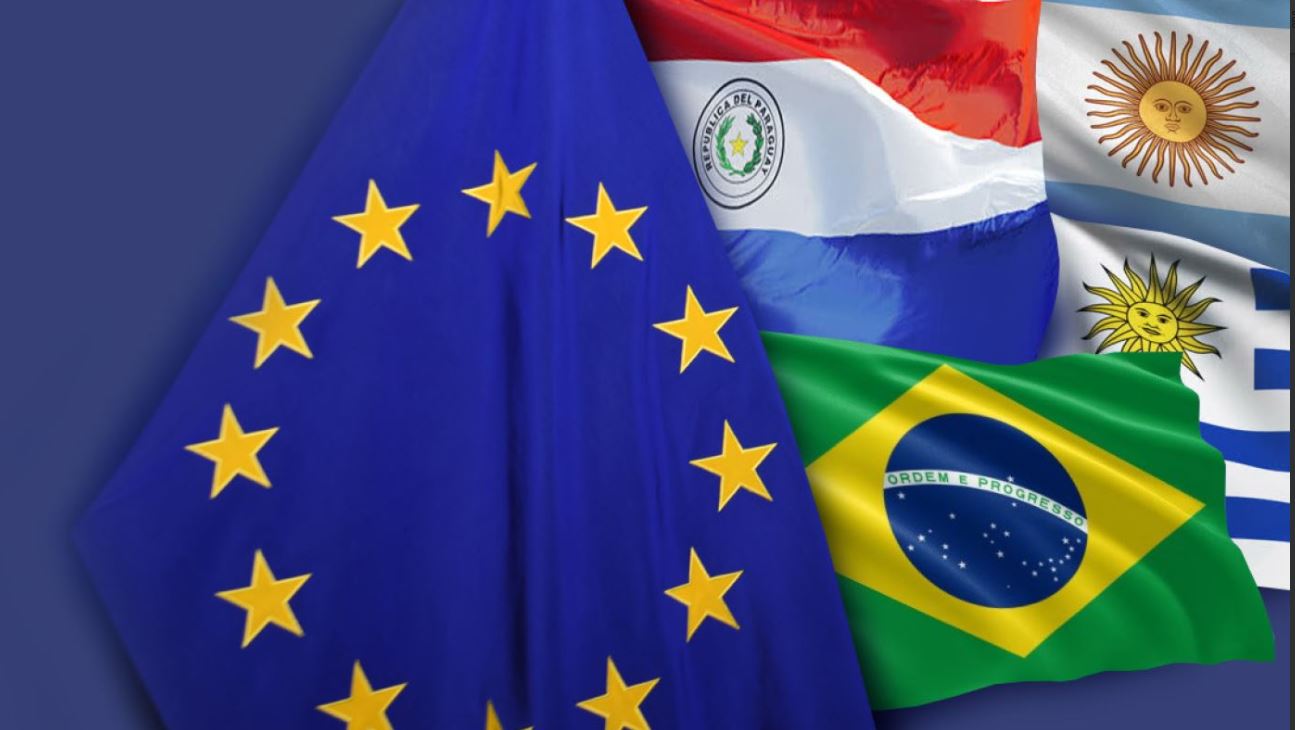
Paraguay became the final South American country to ratify the EU-Mercosur trade agreement yesterday (Tuesday, March 17).
The controversial agreement, which has been 25 years in the making, will create one of the world's biggest free trade zones, covering a market of over 700 million consumers.
The deal would eliminate tariffs on 91% of all products exported between the two blocs.
As part of the agreement, 99,000t of Mercosur beef will be allowed to enter the EU market with a 7.5% duty, while a 180,000t annual duty-free quota for poultry will also be phased-in over five years.
Paraguay
The interim trade agreement was passed by the Chamber of Deputies in Paraguay yesterday.
The country follows legislators in Argentina, Uruguay and Brazil moving to ratify the deal in recent weeks.
President of the Chamber of Deputies, Raúl Latorre said the EU-Mercosur trade deal would result in "more investment, more jobs and more money in circulation".
"This represents the opening of a market of over 400 million people with the highest purchasing power, which, in turn, represents a significant increase in export opportunities; strengthens ties; and increases investment in Paraguay and the rest of Mercosur.
"We must not only approve this agreement, but also celebrate it," he said.
The Chamber of Deputies heard that the interim trade agreement has specific benefits for Paraguay, including exclusive export quotas with zero tariffs for products such as organic sugar, biofuels and pork.
Deputy Rodrigo Gamarra, the current president of the Mercosur Parliament (Parlasur), also offered his support and noted that the agreement was signed in Paraguay in January.
Mercosur
Last month, EU Commission President Ursula von der Leyen confirmed that the commission will provisionally apply the controversial trade agreement.
It is expected that this provisional entry into force will begin in the first half of 2026.
Minister for Agriculture, Food and the Marine Martin Heydon has said his attention has turned to monitoring potential market impacts of the EU-Mercosur trade agreement.
"My focus now will immediately be to ensure the rigorous monitoring by the commission of the agreement’s market impacts and the robust enforcement, where necessary, by the commission of the provisions of the recently agreed safeguards regulation," he said.
The minister said the government will also engage with the commission to ensure it follows through on commitments in relation to food safety and environmental standards.
The EU-Mercosur trade agreement still requires approval from the European Parliament before it can be formally ratified.
In January, a majority of MEPs voted by a tight margin in favour of a motion to seek legal advice from European Court of Justice.