Opinion: Will we see the ‘turning of the stone’ this St. Patrick's Day?

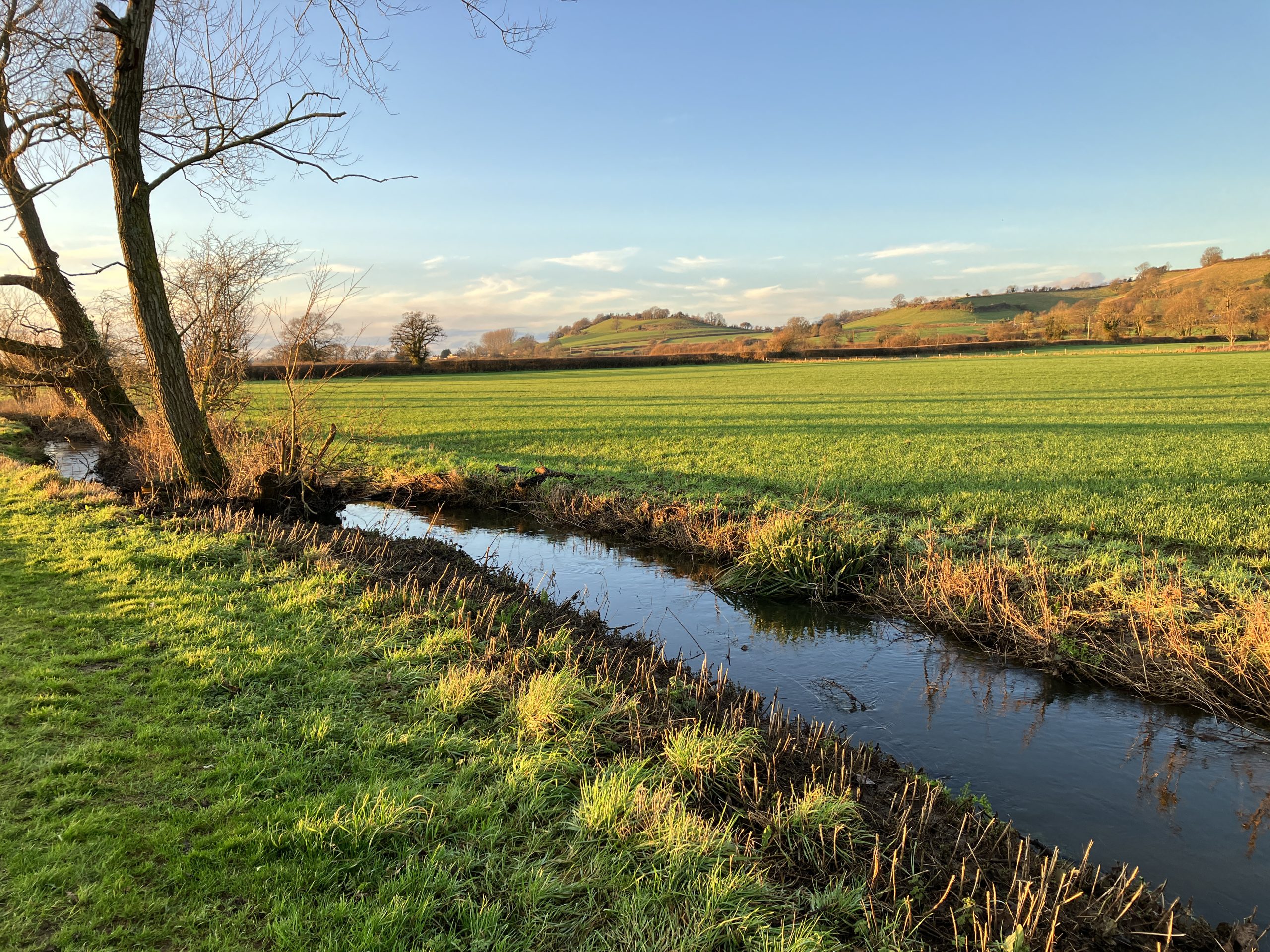
The true start date to spring in the minds of Irish farmers over many generations has traditionally been St. Patrick’s Day.
'Turning the stone' is a metaphor that reflects the passing of winter and the prospect of longer, warmer days coming our way
Ireland’s patron saint has always been associated with farming and the rural way of life. When first captured and taken to Ireland he spent his youth working on a pig farm on Co. Antrim’s Slemish Mountain.
And, of course, he famously used the ‘shamrock’ to explain the concept of the Divine Trinity to an Irish population then committed to living their lives in harmony with the natural world that was all around them.
The link between nature and production agriculture remains as strong today as it did back when St. Patrick was with us.
In fact, as time has progressed, the absolute dependence of our farming systems on the rhythms of the natural world have become ever more apparent.

Celtic Ireland recognised the power of nature and its divine status.
So, in many ways, it was easy for St. Patrick to link the splendour of nature with the presence and impact of a divine being.
Nobody needs reminding of the terrible start to 2026 that Irish farming has endured as a consequence of the monsoon rains that have come our way of late.
And it is so easy to let issues like this to get us down unduly. However, there are a number of lessons that we can all learn from St. Patrick in this regard.
First off, he started out alone on his quest to evangelise Ireland. But he got the job done, having, no doubt, to cope with a few bad days along the way. So, yes, hope springs eternal.
Helping to make all of this happen was St. Patrick’s deep appreciation for the beauty he saw everywhere as he travelled the length and breadth of Ireland.
Natural beauty
Thankfully, a lot of the unique splendour of what he could see remains in place for us to enjoy today.
And it is important for this legacy to be maintained and cherished into the future.
Irish farm families have always been directly responsible for managing Ireland’s natural beauty. And this commitment must never be lost.
However, farmers cannot be expected to do all of this for nothing.
It is important that the work that they carry out in maintaining our natural heritage is fully recognised as a public good that can be enjoyed by everyone.