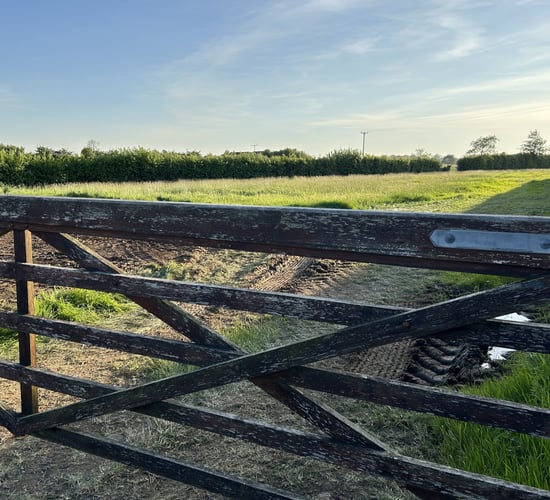
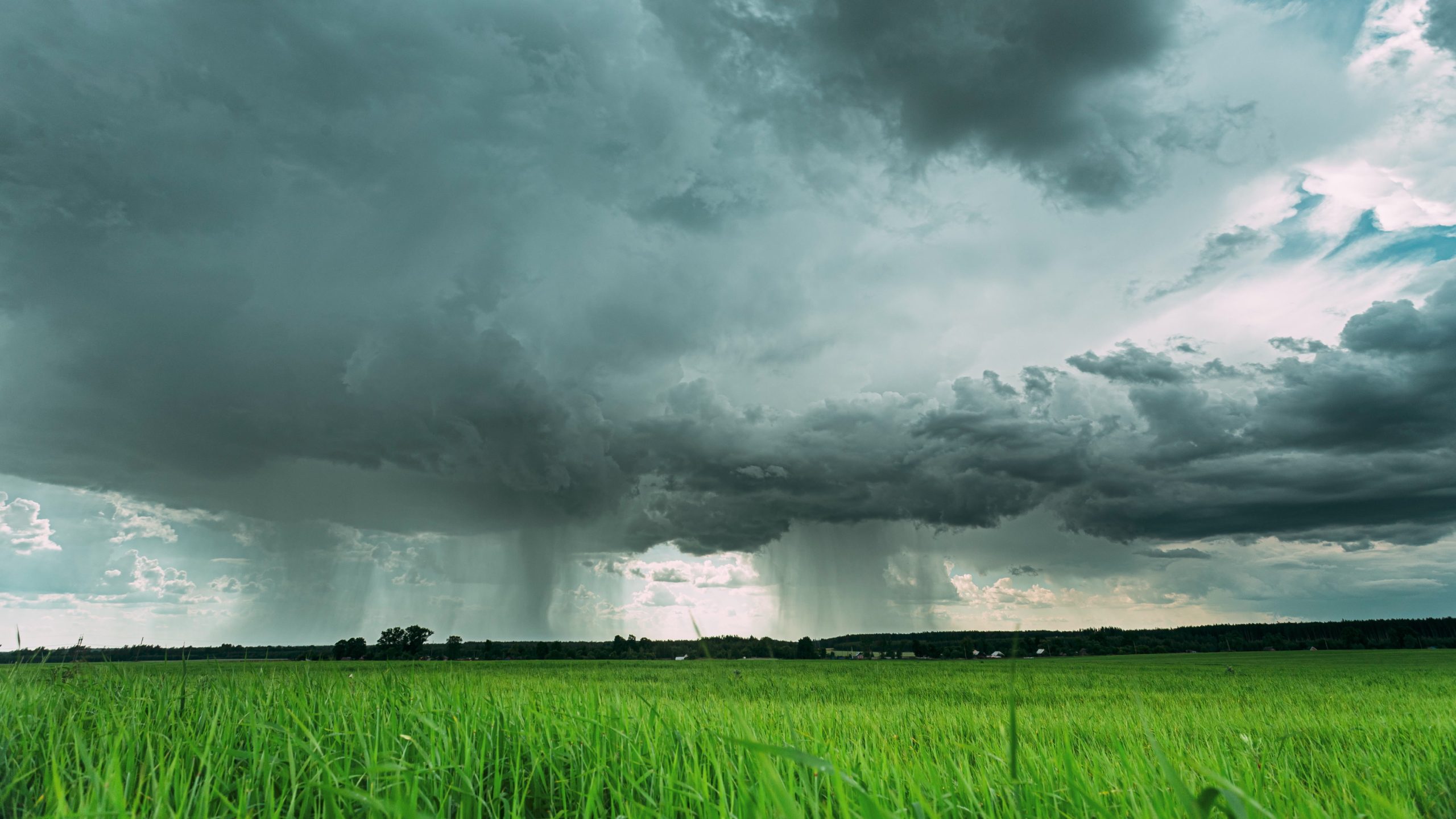
Opinion: Is this the wettest start to a new year ever?

First off, we had the snow at the beginning of January - it was a great start to the new year that was 2026.
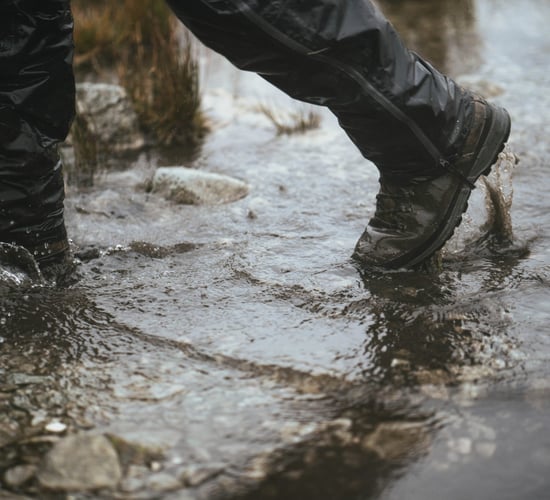
And then came the rain with the floods that followed.
And by the looks of it, there is still a lot more bad weather to come as February continues on its very wet and merry way.
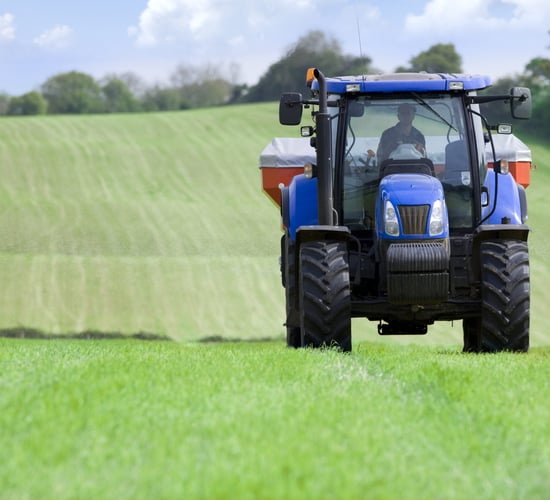
And yes, farmers have to work with the vagaries of the weather that confront them on a daily basis.
January's snow followed one of the darkest and dreariest months of December in recent memory. But then the first half of February came our way and simply served up more of the same.

So let’s hope that the weeks in the offing will bring us that satisfaction of a spring day that can be enjoyed by everyone.
Those of a pragmatic disposition will, no doubt, say that we should expect bad weather during the winter months.
And this is true. But a combination of short days, cold temperatures, wind, rain and – let’s not forget the snow – can quickly drain one’s ‘get-up-and-go’ attitude to life, no matter how optimistic we try to be.
But irrespective of the weather, farmers still have to get on with the job of producing food.
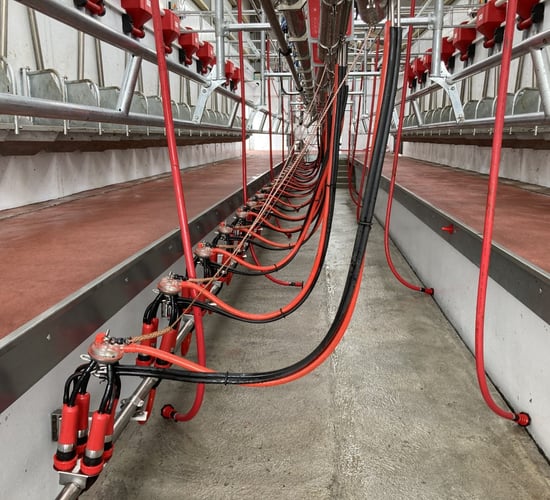
Cows have to be milked every day while all other animals on farms are fed and cared for.
This is the side of farming that consumers don’t see: farmers out in all weathers and all times of the day lambing ewes and calving cows.
Climate change
Meanwhile, the spectre of climate change continues to loom over Irish agriculture.
Bluetongue is now with us, attributed to the heightened migration of midges from mainland Europe into Britain and from there to the island of Ireland.
And more of these vector-borne challenges may well be on their way: lumpy skin disease and epizootic haemorrhagic disease or EHD to name but two.
According to veterinary specialists, vector-borne diseases will be the new frontier confronting Ireland’s animal health sector during the decades ahead.

However, every cloud has a silver lining and where climate change is concerned, the upside will be Ireland’s ability to grow more grass.
Higher temperatures and accompanying moisture levels in the early spring and late autumn period will combine to make this a reality.
The challenge then becomes one of effectively harnessing all of this additional potential.