Opinion: And we thought our winter weather was bad


The impact of the winter weather system that has hit the US over recent days can be best summed in one word: catastrophic.
One can only imagine what is must be like working on farms in these conditions.
It would be glib to simply say that farmers over there are geared up for such conditions. I remember the impact of the deep freeze that was the winter of 2010/2011. It was not pleasant at all.
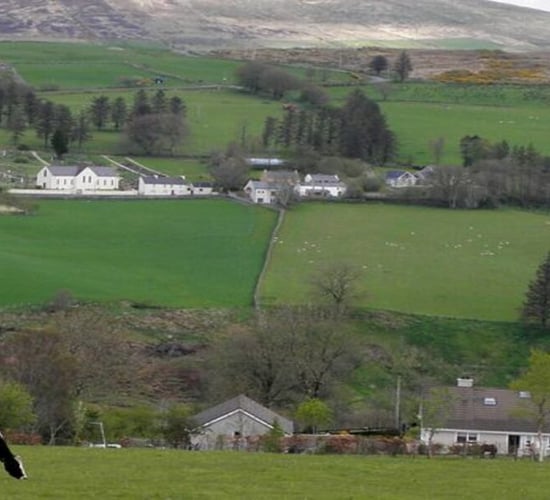
Mind you, Irish farmers have had a fair bit to cope with where the weather is concerned since the turn of the year.
First off, we had the snow: then came the rain. And by the looks of it, there is still a lot more bad weather to come our way as January comes to a very sodden end.
And yes, farmers have no option but to work with the vagaries of the weather that comes our way. January followed one of the darkest and dreariest months of December in recent memory.
So let’s hope that February will bring us the hope of a spring day that might just be around the corner.
Winter weather
Those of a pragmatic disposition will, no doubt, say that we should expect bad weather during the winter months.
And this is true. But a combination of short days, cold temperatures, wind, rain, and – let’s not forget the snow – can quickly drain one’s ‘get-up-and-go’ attitude to life, no matter how optimistic we try to be.
But irrespective of the weather, farmers still have to get on with the job of producing food.
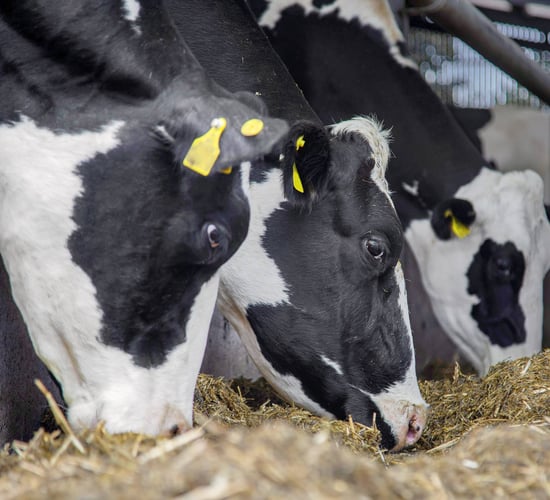
Cows have to be milked every day while all other animals on farms are fed and cared for.
Public perceptions
This is the side of farming that consumers do not see: farmers out in all weathers and all times of the day lambing ewes and calving cows.
Or, is the general public at large starting to recognise the real value that farmers add to society as a whole?
A recent consumer survey placed farmers as the second most trusted profession – coming in just behind doctors.
Based on this evidence, one might be tempted to conclude that the public is starting to recognise the investment and effort that goes into the food emanating from the farms on their doorsteps.
If this is the case, then there is genuine hope that farmers can secure sustainable incomes from their businesses into the future.

There is a very simple principle coming into play in this context. If consumers recognise the effort that has been put into producing the food they enjoy, then they should be prepared to pay a realistic price for it.
Meanwhile, farmers can look ahead to the rest of 2026 knowing well that the costs they incur will only go in one direction: upwards.
Machinery, fertiliser and land rental costs are all set to increase exponentially over the next 12 months.
These increases have been hard-wired into farm business plans for some time now, leading one to arrive at the inevitable conclusion: the days of cheap food are over.