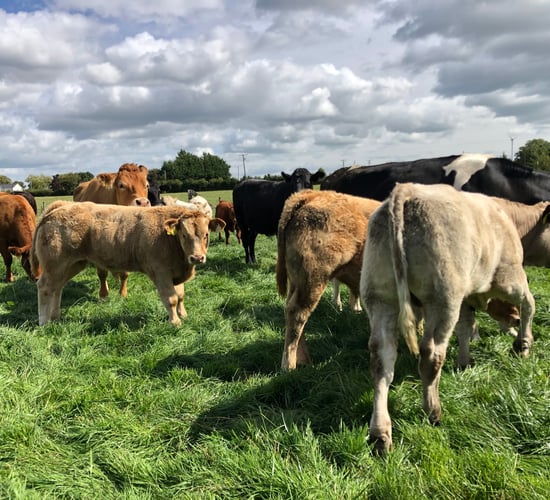
Nore Catchment Action Plan for water quality launched


The Nore Catchment Better Farming for Water Action Plan was launched this week.
The establishment of specific catchment-based campaigns is a key initiative under the Better Farming for Water Campaign, which aims to support and accelerate the adoption of on-farm actions to improve water quality in waterbodies where agriculture is a significant pressure.
The River Nore is one of eight priority catchments, alongside the Slaney, Barrow, Boyne, Suir, Blackwater, Lee and Bandon–Ilen, identified by the Environmental Protection Agency as a “catchment of concern”.
These catchments will have tailored workplans with clear targets and timelines to deliver measurable water quality improvements.
'Great pride'
Farmers in the Nore Catchment take "great pride" in the River Nore and the agricultural and natural heritage it supports along its approximately 140km journey through the heart of the south east.
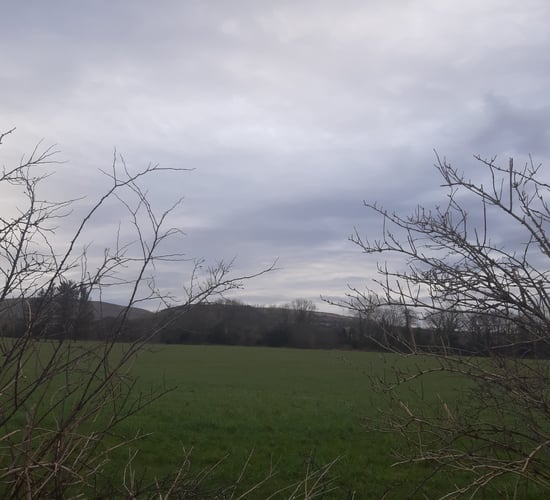
Originating in the Devil’s Bit Mountain, the River Nore flows through counties Kilkenny, Tipperary, Laois and Waterford, passing through towns such as Durrow, Thomastown and Inistioge, before joining the Barrow and Suir - the ‘Three Sisters’ - to form Waterford Harbour.
It is a vital river for Kilkenny City and the wider region.
The Nore Catchment Implementation Group is chaired by Eamonn Sheehan, a dairy farmer in the catchment, with Dawn Meats acting as industry lead, represented by Paul Nolan.
Collective action
Central to the programme is the implementation of the '8 Actions for Change', focusing on improved nutrient management, farmyard management and land management practices to enhance water quality.
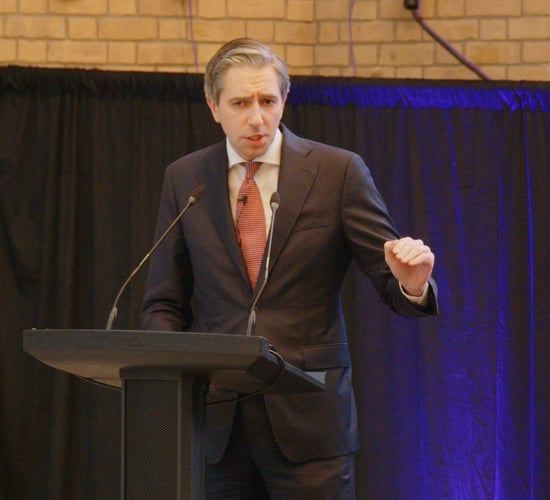
Speaking at the launch, director Frank O’Mara said: "Having good water quality in Ireland is essential to ensuring the long-term success and future growth of Ireland’s agri-food sector.
"No part of the agricultural industry is unaffected by the consequences of declining water quality, which means every farmer and every sector has a role to play in protecting it.
“The Nore Catchment Better Farming for Water Action Plan demonstrates how collective action can drive real improvements by adopting a multi-actor approach, implementing the 8 Actions for Change, and targeting the right measures in the right place at the right time."
'Commitment'
Chair of the Nore Catchment Implementation Group, Eamonn Sheehan added: "I understand first-hand the day-to-day realities of farming and the deep connection farm families have with their land and water.
"Farmers are not only food producers but long-term custodians of the countryside, and their commitment to protecting natural resources is central to the sustainability of Irish agriculture."
Paul Nolan of Dawn Meats said it is "encouraging" to see a "collective, all-of-sector effort coming together to address the challenge of improving water quality".
At the launch, a booklet was unveiled outlining the six pillars of the Nore Catchment programme.
These include: stakeholder engagement through a multi-actor approach; raising awareness using detailed water quality maps; structured upskilling programmes for farmers, advisors, teachers, and industry professionals; and a knowledge transfer programme.