New tillage support scheme details expected to be released soon

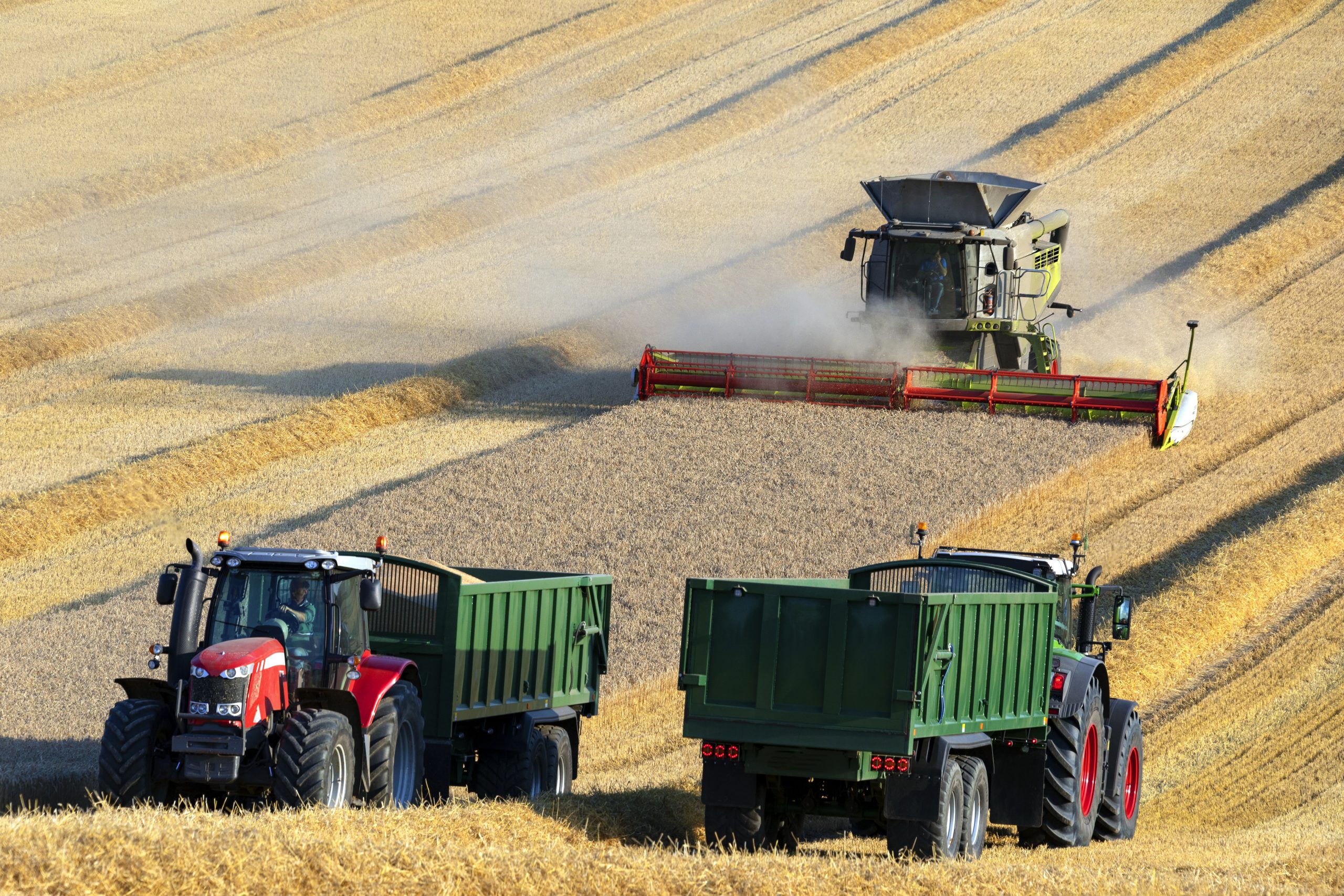
Speculation is growing that details relating to the new €30 million tillage support scheme, announced as part of Budget 2026, will be forthcoming in the very near future.
The matter was discussed in depth at the recent Irish Grain Growers’ Group (IGGG) annual meeting, which was attended by Minister for Agriculture, Food and the Marine Martin Heydon.
The IGGG is hopeful that the new €30 million scheme will be made available on a multi-annual basis.
Mercosur
Meanwhile, IGGG members are voicing their deep annoyance at what they regard as the disingenuous nature of the continuing debate that has followed the signing of the trade deal recently agreed between the EU and South America’s Mercosur group of countries
An IGGG spokesperson said: “All those involved are avoiding the fact that over the past three years more than 2.2 million tonnes of Mercosur feedstuffs have been imported in to the Republic of Ireland to be part of the Irish food chain via our pig, poultry, and livestock sectors.
“This is against the backdrop of the few hundred tonnes of beef at the centre of the current controversy”
Significantly, IGGG members believe that Bord Bia has a key part to play in this debate.
This will entail all Bord Bia board members commenting on the assumption held by many that approximately 80% of the maize and soya products imported into Ireland are genetically modified grains and oilseeds, the production of which is banned in Ireland and the rest of the EU.
The IGGG representative continued: “There has commentary to the effect that the reputation of Bord Bia is on the line because of the recent controversy.
“However, no one involved has commented on the far bigger elephant in the room: the volume of feedstuffs coming from Mercosur countries.
“The principle involved here is a very simple one - if we are saying no to Mercosur beef, then we must also say no to Mercosur feedstuffs.
"The Bord Bia staff present at our AGM event last week received a strong consistent message from members present on the subject of imports including GM imports.”
The Grain Growers’ representative continued by saying that, in relation to "the potential benefits of the deal that are being put forward by those in favour", there was one aspect he had to highlight.
“Those in favour of the deal say that the Irish drinks’ sector will benefit and therefore the tillage sector should too," Miller said.
“However, we want to highlight one aspect: the drinks’ industry is not required to use Irish grain in the production of their drinks, including whiskey and gin.
“One of the most famous and best exporting whiskeys processes more imported grain than native Irish grain, we believe.
“The benefits that those who are in favour of the deal speak of may not be as beneficial as they think for tillage farmers".