New ACA president on CAP, fertilisers, and TAMS
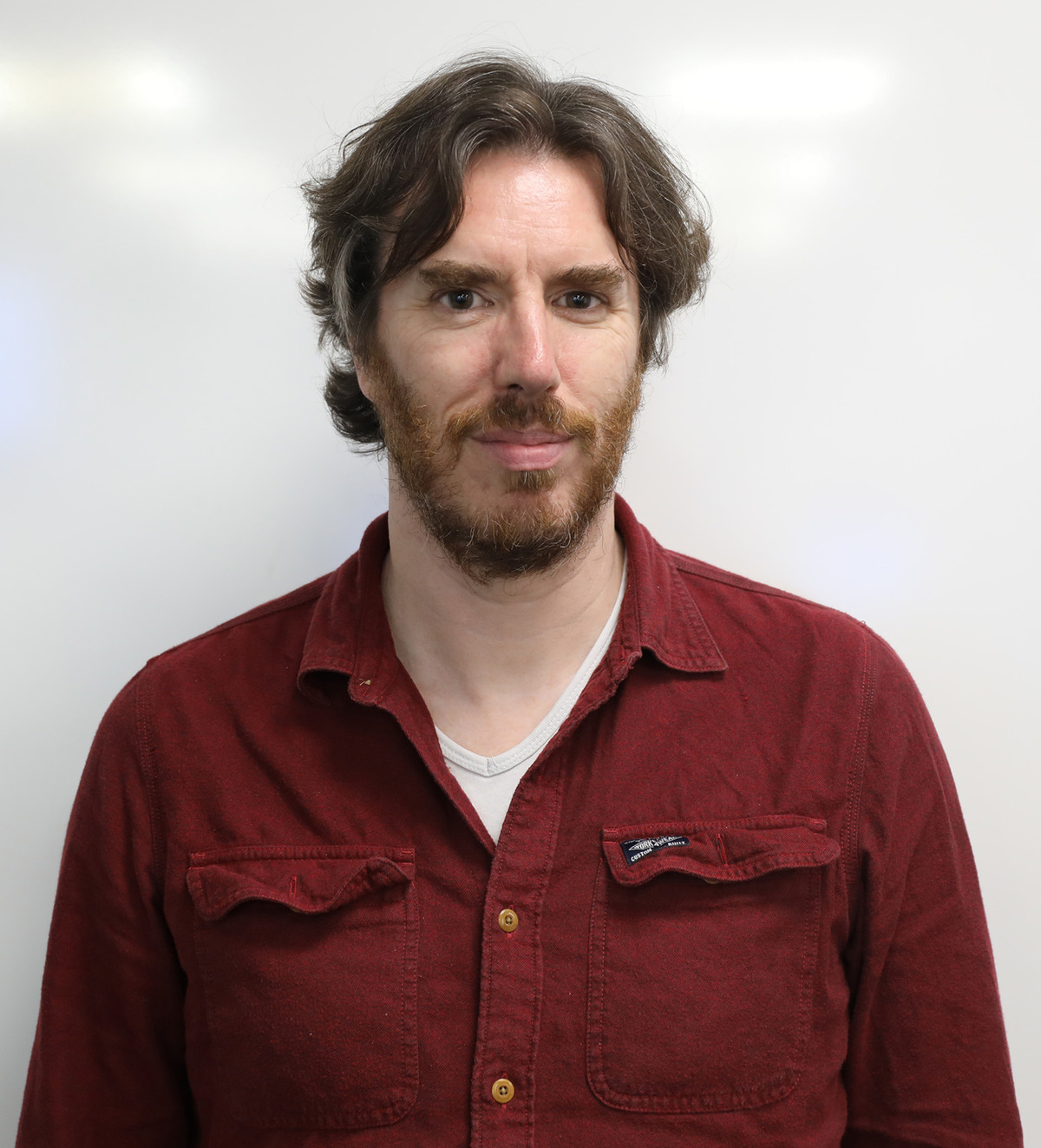

"When farming flourishes, the whole economy flourishes.”
That is according Brian Dolan, the new president of the Agricultural Consultants Association (ACA), who was elected at the organisation's annual general meeting (AGM) this week
At the start of his two-year presidency, Dolan told Agriland about his plans and also concerns for ACA members and their clients.
During his term, he hopes to “lead the association to look after our members”.
Dolan said: “I want to keep our keep our members updated, make sure that we are getting all the latest information and of course obviously the big change coming is the whole new CAP [Common Agricultural Policy].”
So he hopes to “not alone get our members set up for the new CAP, but obviously the clients of the members.
“It’s going to hit us in two or three years’ time. And there's going to be a lot of work to do between now and then.”

During the AGM, Dolan and others talked about imminent changes in regulations and in Irish government and EU schemes, as well as unforeseen challenges.
“The key issue is that we be able to give pertinent advice to farmers,” he said.
“Even now with this week, for example, with the fertiliser prices going up, everybody's ringing [asking] ‘what fertiliser can I buy?’"
Sustainability
Environmental regulation, alongside a growing global population, are two major, intertwined issues, according to Dolan.
And they are issues that ACA members and their clients will have to monitor closely.
During a speech at the AGM, Dolan shared the following statistic: “We must produce almost as much food in the next 30 years as we did in the last 2,000 years”. (The source for this is likely Co. Kerry man Prof. John Roche.)
So, a challenge for farmers is addressing this immense demand while maintaining sustainability.
“I think the whole area of sustainability is going to become a buzzword,” Dolan said.
“Yes we need to feed the world. We need to have more food produced. But we have to produce it in a sustainable way.
“So there's going to be there's going to be rules and regulations, unfortunately.”
He added: “It’s about trying to guide the members and try to guide the farming community through that.
“That is going to be the big piece going forward.”
TAMS
Earlier this week, Agriland reported that there were delays in TAMS (Targeted Agriculture Modernisation Schemes).
Tom Canning, an agricultural consultant and member of the ACA, told Agriland: "There's a huge risk that some farmers could miss out on TAMS grants overall.”
Speaking about this issue, Dolan said: “TAMS has been, I suppose, a victim of its own success.
“It's frustrating for farmers to make the decision that they're going for something, then to go down the whole way of getting the application done and gathering up all the dockets and getting the surveys done for solar and so on so forth.
"And then all of a sudden find that they're not getting it, that they don't get approval."
He added: “Similarly for ones who are putting up sheds and stuff and they go to the expense of getting planning permission and all of that and drawings, and then obviously, whenever the grant approval doesn't come through, the project doesn't go ahead because the cost of everything nowadays is gone skyrocketing.
“So, I mean, they're depending on that. They built their hopes up on it and it's obviously a big letdown.”
Background and future
Dolan earned his degree in University College Dublin in 1987, before moving to the UK for a spell.
“I did spend a while working in ADAS [Agricultural Development Advisory Service] in England,” he said.
“I came back here in the late 1980s to work with a firm of private consultants, and then in the early 1990s, I set up my own consultancy business in Donegal and we’re there since.
“So after nearly 40 years, I should be winding down, not winding up.”
On the ongoing and future work of ACA, he said: “I just like to think that we're out there, the consultants, providing a service to farmers.
“I think every farmer in the country is using someone in the advisory consultancy services, whether that's private or public, whether they're ACA or non-ACA.
“It's a matter of bringing everybody together and making sure that the farming community is looked after and that farming flourishes".