Minister outlines rules on sheep semen imports to Ireland

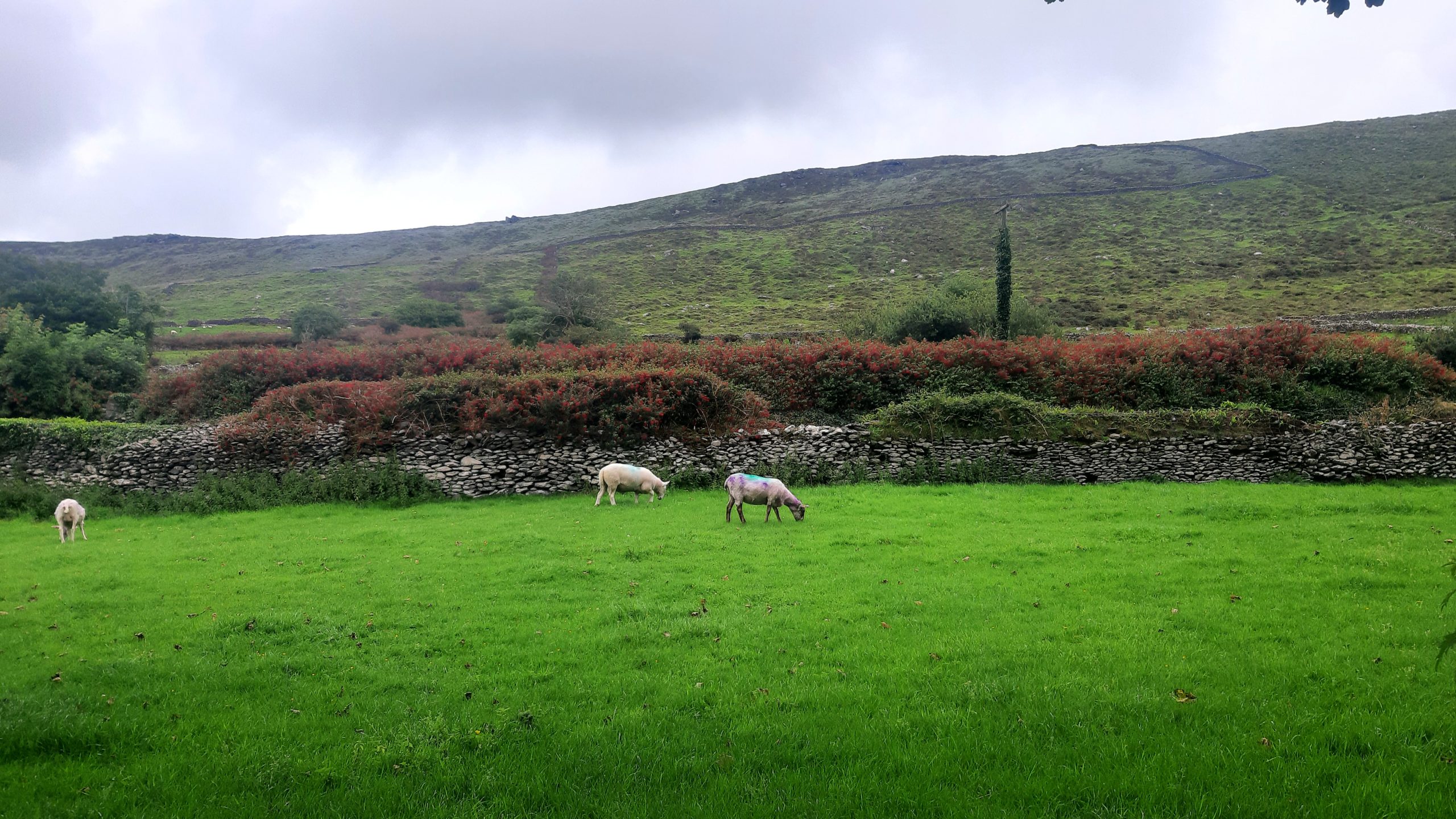
Minister for Agriculture, Food and the Marine, Martin Heydon has outlined rules on sheep (ovine) semen imports into Ireland.
This was in response to questions from Sinn Féin TD Martin Kenny, who asked the minister if he is "concerned that ovine semen from animals that do not meet scrapie 1 regulations is being imported into the country".
Minister Heydon said his department carries out import controls on ovine semen imported into Ireland, to ensure it is compliant with the requirements for the importation of germinal products into the EU laid down in Regulation (EU) 2017/625.
Import rules
"These rules include the requirement for the certifying export veterinarian to attest that the semen complies with the Transmissible Spongiform Encephalopathies (TSE) Regulation (EC) 2001/999," the minister said.
This lays down the rules for the prevention, control and eradication of TSEs, including scrapie.
"Any consignments found not to comply with these requirements are rejected from entering Ireland," Minister Heydon added.
Germinal products
Germinal products (semen, embryos, ova) must only be imported into Ireland from approved germinal product establishments, the minister said.
They must be accompanied by health certificates and must be registered on TRACES.
Illegal import of semen into Ireland "poses a risk to the health of the national flock", the minister said, and any information on illegal activities "should be brought to the attention of my department".
Scrapie
Scrapie is a fatal infectious disease of sheep and goats.
It is a naturally occurring, infectious, neurodegenerative disease characterised by vacuolar or spongy changes in the central nervous system.
The Scrapie Monitoring Scheme helps farmers to trade in sheep and goats intended for breeding by providing information on the scrapie status of their farms.
Scrapie is a notifiable disease, which means farmers are are legally obliged to notify the Department of Agriculture, Food and the Marine if they suspect a sheep or goat may be infected.