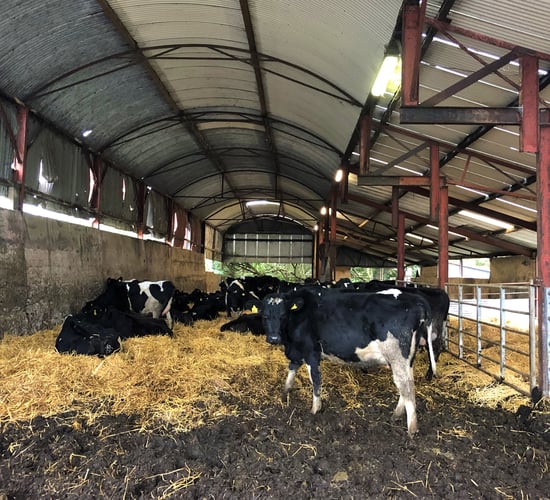
Minister confirms detection of bluetongue in Wexford


Minister for Agriculture, Food and the Marine, Martin Heydon has confirmed that an outbreak of bluetongue has been detected in Co. Wexford.
He said in a statement: “My department has detected a bovine infected with bluetongue virus serotype 3 (BTV-3) in a herd in Co. Wexford.
"This is unwelcome news but unfortunately it is not surprising, given the spread of this virus across Europe, Great Britain and recently Northern Ireland.
“Firstly, I want to emphasise that bluetongue cannot infect people and does not pose any food safety or human health issue.
"This finding arose from the routine ongoing surveillance my department has been carrying out, so that we can find the disease as early as possible."
The minister expressed his sympathy to the affected farmer at this difficult time.
Spread of bluetongue virus
The minister said this virus predominantly is spread by midges.
"The replication of the virus in infected midges cannot happen when the daily temperatures are lower than 12°C," he continued.
"The recent seasonal drop in temperatures means that infection is unlikely to spread widely at the current time.
"Investigations are ongoing with additional sampling taking place so that we can understand the epidemiological situation."
Trade impacts
Addressing the likely trade impacts, Minister Heydon said this outbreak will have an impact on exports of cattle and sheep, "with additional costs and logistical issues required in order to comply with the rules set by the countries of destination".
"In respect of meat and dairy products, there are no implications for exports to the EU, UK and to most of our international markets," the minister said.
"My department has been actively negotiating revisions to many trade certs for third countries so that the impact of any outbreak would be minimised, and that work will continue after this news."
Vaccination
Speaking about vaccination for BTV-3, the minister said: “My decision last year to approve the use of vaccines in Ireland from 2026 provides farmers with a valuable tool to protect cattle and sheep against the impact of BTV-3, should it spread more widely in the 2026 vector season.
"I encourage cattle and sheep farmers to discuss with their private veterinary practitioner whether vaccination is appropriate for their circumstances."