Managing the farm's workload this spring

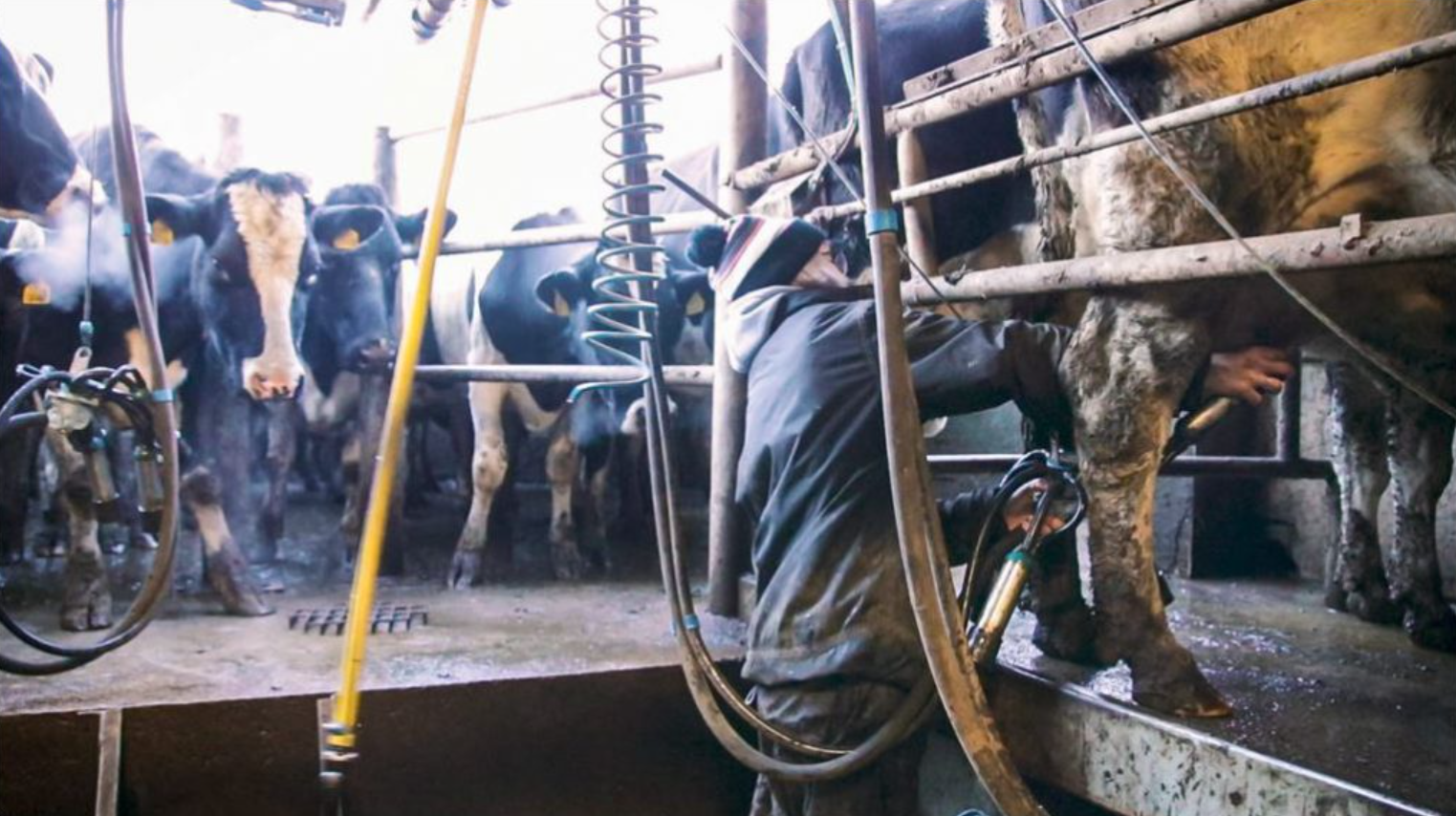
With the calving season well and truly underway, farmers should be looking at ways of reducing their workload.
The spring calving season is a tough labour intensive period for farmers, as they work long hours during the day and get little rest during the night as cows continue to calve down.
Studies suggest that over a third of a farm's annual labour is spent during the calving season.
However, improving key areas may save farmers time and reduce the workload.
Farmers should be looking at aspects such as calf management, animal health, workforce planning and organisation, and deciding how to prioritise tasks.
The majority of farmers are happy with their system as they are used to the hard work, but if you are using the same practices as you were several years ago, it may be worth investigating areas in where time can be improved.
Labour
The first issue on many farms is a lack of labour. As herds have expanded and regulations have become stricter, there is now massive pressure on solo operators during the calving season.
The majority of relief milkers cost between €60-€80 per milking - this varies greatly depending on experience, herd size, parlour set-up, and location.
So if you are paying €80 a milking, setting aside €5,000 from cull cow sales will get you more than 60 milkings during the busy spring months.
This may seem like a lot, especially with current milk prices, but with the time saved, you will see improved performance in the herd which will save you money in the long-run, as well as free up time in the evenings.
Workload
Calf care is one of the most time consuming jobs on the majority of farms in the spring.
Whether it is preparing colostrum, dealing with sick calves or slow drinkers, and maintaining hygiene standards, the majority of calf tasks take time.
However, adhering to high standards of colostrum feeding can save time massively in terms of sick calves and slow drinkers as the calves will have the best possible start.
Therefore, farmers should be using a refractometer to ensure the quality of colostrum calves receive is adequate while following the '1-2-3 rule'.
Investing in technology such as automatic calf feeders may also be worthwhile for some farms.
Having the calf shed set up to make things both easy and accessible for you as well as comfortable and warm for the calves is also crucial.
Given the poor weather this year, well-designed paddocks with a good roadway network will be essential for making access smooth and efficient once cows get out to grass.
Having a good system in place in terms of colour coding cows each morning was a great way of giving the farmer assurance and making sure no colostrum or antibiotics were going into the bulk tank.
Study
The Teagasc/Aurivo joint programme previously monitored 100 dairy farms to see their hours worked during spring.
| Feb/March 2023 | Feb/March 2024 | ||
|---|---|---|---|
| Average (n=47) | Average (n=53) | Top 25% (n=13) | |
| Time you left the house every morning | 6:27a.m | 6:34a.m | 6:24a.m |
| Start time of evening milking (cups on) | 4:29p.m | 4:18p.m | 3:43p.m |
| Daily PM finish time | 7:15p.m | 6:55p.m | 5:49p.m |
| Hours worked per week (excl night checks) | 72 | 74 | 63 |
The average farmer from the study started at 6:34a.m and finished up at 6:55p.m, meanwhile the top 25% started 10 minutes earlier in the morning but were able to finish up almost an hour earlier in the evening.
Farmers who are working far more hours from the average need to sit down and evaluate what can be changed to improve the workload on their own farm for their own sake.