Managing heifer mastitis this winter

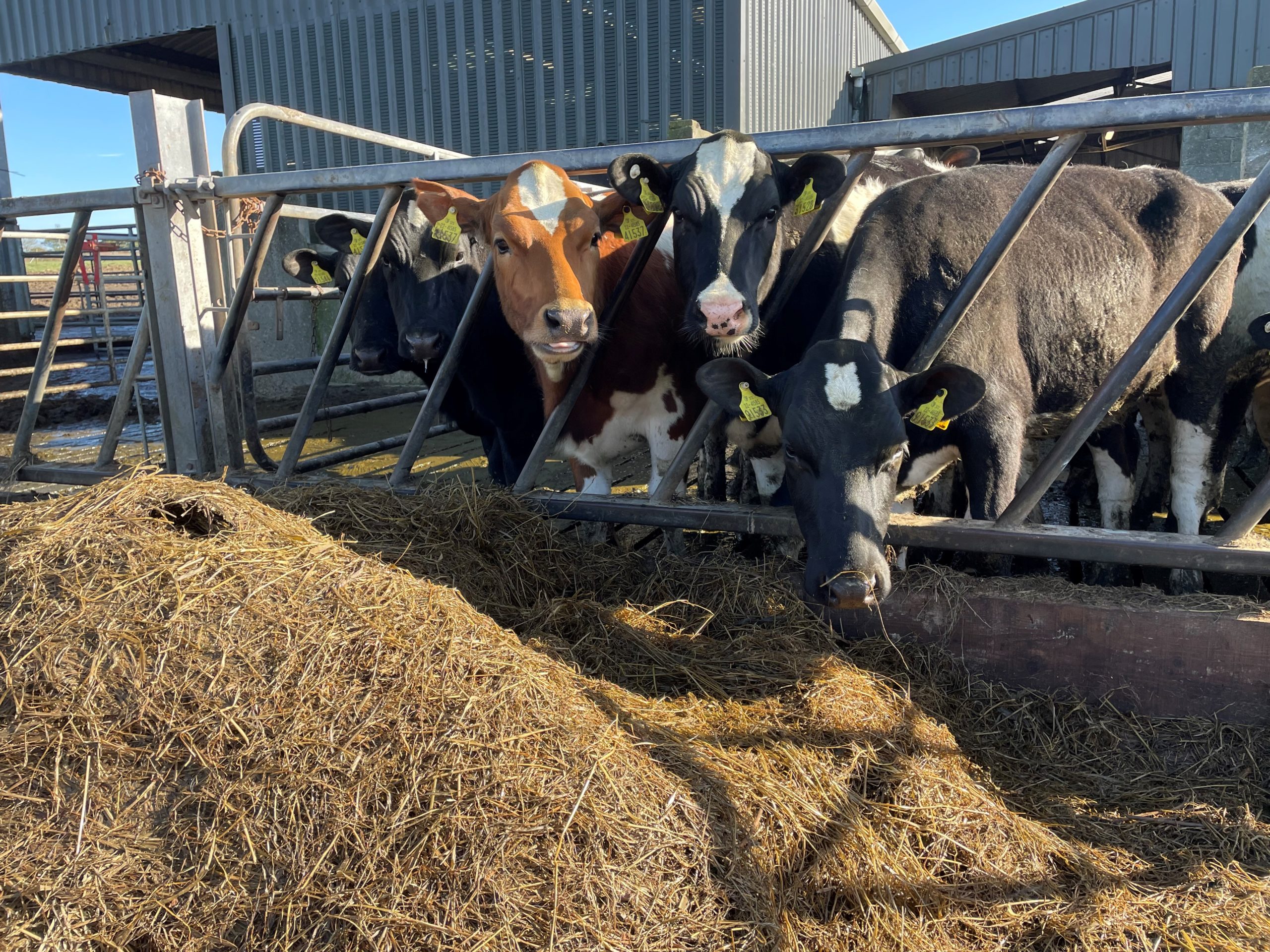
The majority of work is done with heifers ahead of spring calving; however, keeping your eye out for heifer mastitis is still crucial.
Farmers need to upkeep hygiene during housing to prevent mastitis or blind quarters in the spring, which will massively affect production.
Studies have shown that when heifers develop mastitis in the first 30 days after calving, they produce less milk and are likely to be less profitable over their lifetime.
Mastitis can cost farmers over €60/cow/year, and with heifer-rearing already costing anywhere between €1,700-€2,300, it is something that needs to be avoided.
No farmer wants their herd to get mastitis, but despite it being a difficult thing to prevent, there are steps that can help farmers reduce the risk.
Heifer mastitis
Many farmers have began teat sealing heifers to give them extra protection over the winter, with most of them happy with the results.
Teat sealing heifers should ideally be done in a rollover crate as they are not yet used to the parlour. This will also help to upkeep hygiene.
Addressing any issues that cause teat skin lesions and implementing a plan for warts should be done now.
Udder oedema incidences should be reduced through minimising the interval from calving to first milking.
It is easy to just throw some silage at heifers to keep them happy, but their diet is actually very important as mineral and vitamins deficiencies - such as vitamin E and selenium - can cause negative energy balance (NEB) before and after calving.
Risk management
Hygiene is the best prevention method in terms of heifer mastitis, therefore paying particular attention to cubicle houses is essential.
Cubicles need to scraped and limed every day. Lime increases the pH of the cubicle bed surface, killing the bacteria present.
Others use sawdust to reduce moisture in the cubicle and keep the cows clean.
Having adequate space in the shed, and a minimum of at least one well-designed cubicle per heifer should be allocated.
Make sure that passageways are kept clean, ensuring that automatic scrapers are going down every couple of hours.
Come calving, stress should be kept to minimum as it is linked to mastitis.
Once calved, follow the same high standard you would for the milking herd, teat spray heifers, follow a Californian Milk Test (CMT) protocol, draw down heifers, and upkeep hygiene in the parlour and shed.