Managing displaced abomasums this spring

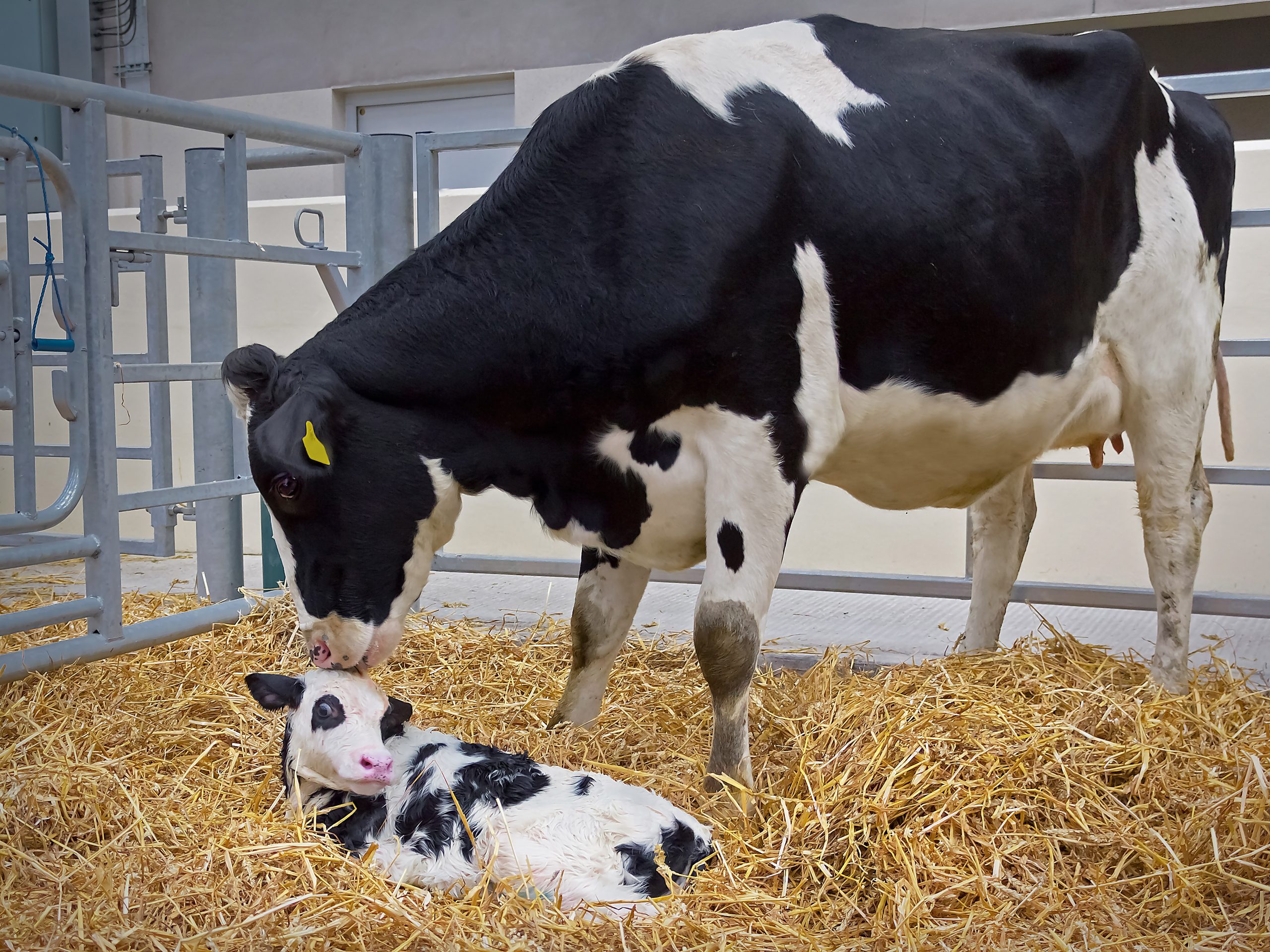
As cows begin calving down this spring, farmers may have to deal with the odd displaced abomasum (DA).
Displaced abomasums typically occur in the first three to four weeks after calving.
Despite the exact cause of displaced abomasums being unclear, the condition can be avoided through good management practices in the lead-up to calving as well as post-calving.
The most common type of displacement is left displacement of the abomasum (LDA), accounting for 80-90% of all displacements.
It occurs when the abomasum moves to the left of its normal position, getting stuck between the rumen and the left abdominal wall.
When this happens, the abomasum stops contracting and turning over its contents, causing an accumulation of gas in the abomasum and pushing it up the abdomen.
Right displacement of the abomasum (RDA) accounts for only 10-20% of cases, however it is far more serious than LDA as the abomasum can become twisted upon itself, resulting in more severe clinical signs consistent with abdominal pain.
Displaced abomasum
An in-calf-cow's abomasum will be displaced from its normal position as the uterus expands.
However, if the abomasum does not return to its normal position after calving, that is when an animal will start having issues.
Displaced abomasums are often linked to poor management and inadequate nutrition, however the exact cause is not fully understood.
Feeding poor quality silage can leave cows in a nutrient deficit, meaning they are not achieving a sufficient rumen fill and therefore calving down at an incorrect body condition score (BCS).
Cows that calve down with a BCS of over 3.5 are at a greater risk of contracting ketosis, which can in turn increase the risk of DA.
That is why it is essential to monitor cows closely during the transition period, which runs from three weeks prior to calving to three weeks post-calving.
Make sure that there is enough feed space, quality forage, and that concentrates are slowly increased after calving.
RDA
Considering the severity of a right displaced abomasum, farmers must keep a keen eye out for any symptoms.
Cows with RDA can display severe symptoms, such as colic, elevated heart rates, scant faeces, and diarrhoea.
Decreased milk yields and cows going off their feed are generally the first signs of an issue for many farmers.
Cows that are showing these symptoms need to be seen by a vet.
If it is a displaced abomasum, the vet will hear ‘pinging’ noise through their stethoscope, caused by the gas-filled abomasum.
If the cow has RDA, surgery is the best choice for treatment, as it reduces the risk of recurrence and allows for the assessment of the condition of the abomasum.
Vets often anchor the abomasum in the correct position using a toggle when performing the surgery in a bid to prevent it happening again.
Farmers often roll cows with LDA over on their side, as it can help move the abomasum back into its normal position and can be effective if it is done early.
However, it is estimated that 50% of cases will relapse from this method, therefore surgery is usually the best option.