Lower cattle numbers and fertiliser sales drive agri emissions fall

Emissions from the agriculture sector decreased by 3.8% in the third quarter (Q3) of 2025 when compared to the same period in the previous year.
That is among the findings of the Environmental Protection Agency (EPA) latest Quarterly Greenhouse Gas (GHG) Emissions Indicator Report.
The report shows that Ireland's GHG emissions decreased by 2.8% in Q3 2025 compared to the same three months in 2024.
The EPA said this was mainly driven by a 5.8% reduction in electricity sector emissions, due to increased generation from renewables and a 3.8% decrease in the agriculture sector.
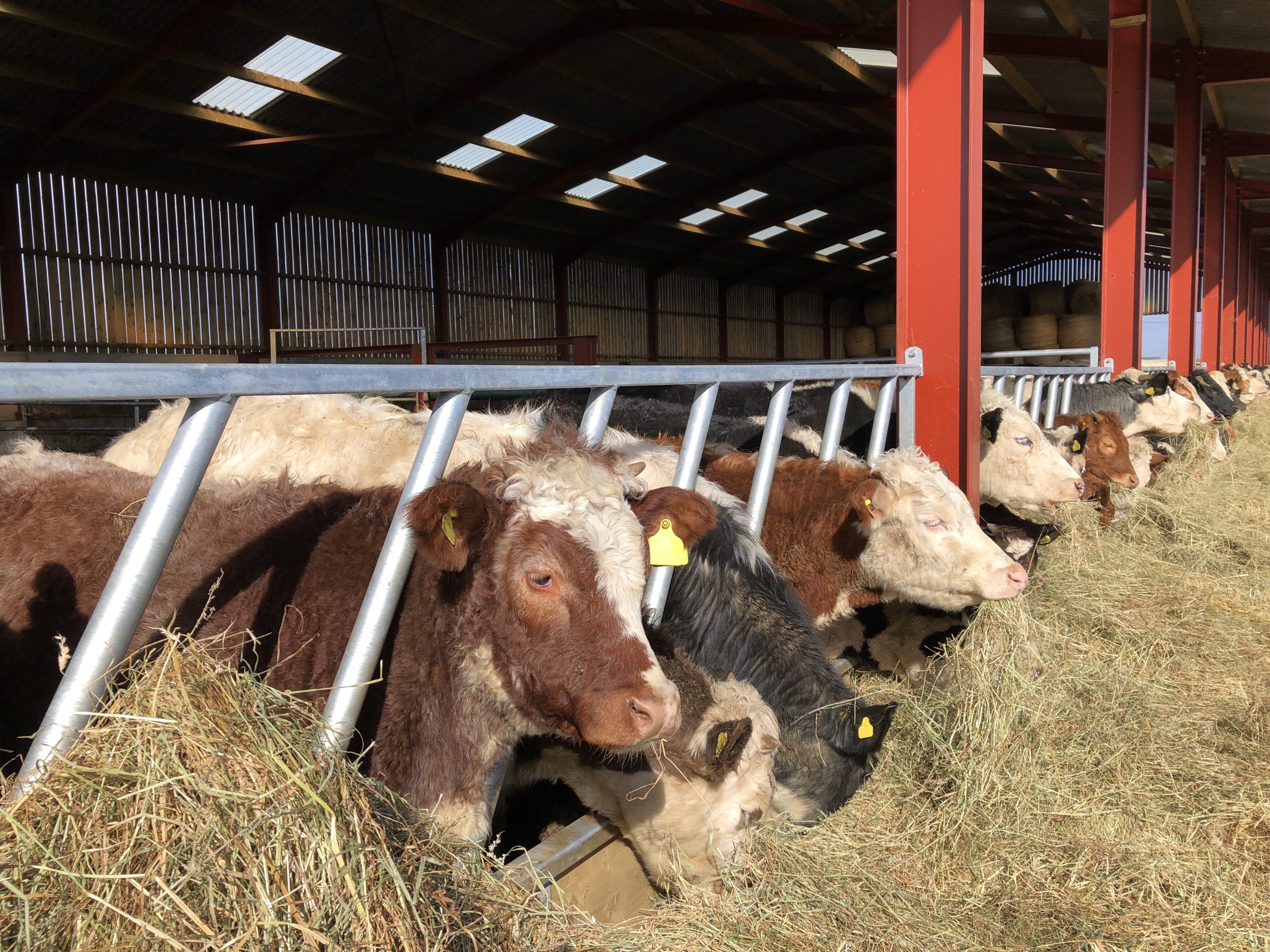
The decrease in the agriculture sector was primarily due to a 23% fall in total nitrogen (N) fertiliser sales and a 3.4% reduction in cattle numbers (-1.4% dairy cows and -3.9% other cattle).
This follows a 2.9% reduction in the cattle herd reported in the EPA's Provisional Inventory for 2024.
Agriculture emissions
The report shows that over the first three quarters of 2025, Ireland's GHG emissions were down by 1.5% on the same period in the previous year.
The largest decrease occurred in the buildings sector, followed by the agriculture sector.
"This aligns with the annual Provisional Inventory trend for 2024, which showed a second consecutive annual decline in national emissions (-2%) and continued reductions in electricity and agriculture sectors," the report said.
Emission reductions were reported in almost all sectors, except commercial buildings and the ‘other’ sector which is comprised of a range of smaller sectors including petroleum refining and fluorinated gas use.

The largest decrease in emissions when Q3 2025 is compared to the same period in 2024 occurred in the agricultural soils, followed by the enteric fermentation sector.
The largest increase in emissions occurred in agriculture/forestry fuel combustion.
Between January and September 2025, agriculture emissions were down 0.6% compared to the previous year.