Late-calving cows at risk of over-conditioning

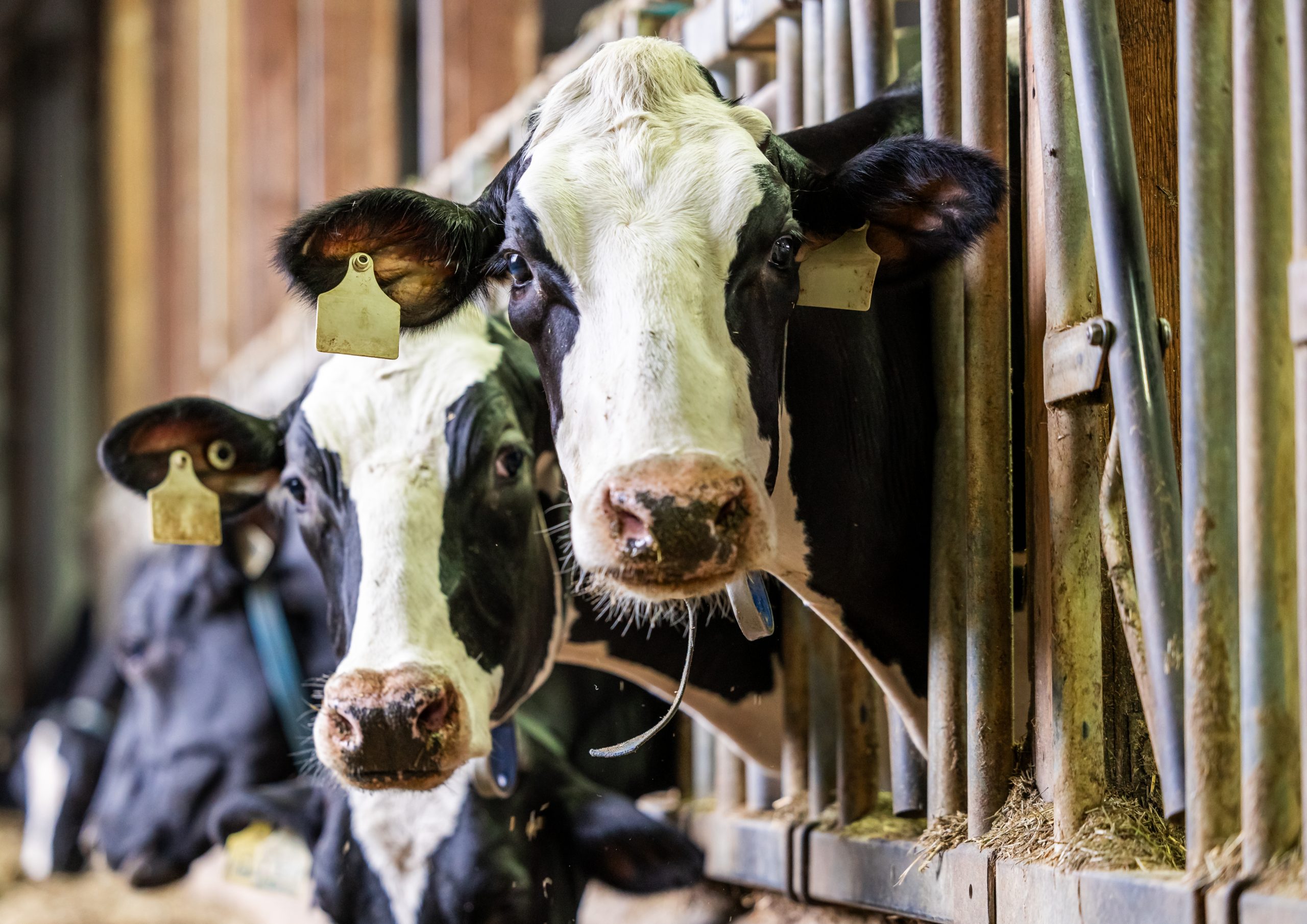
With most farms finishing up their second week of spring calving, many are bound to have run into the odd issue.
However, as the season advances, late-calving cows are more at risk of getting over-conditioned.
If cows are over-conditioned and go well beyond the optimum body condition score (BCS) of 3.0-3.25, they will be at a higher risk of developing metabolic issues.
Getting cows to calve down at the right BCS is easier to achieve with early calving cows, as they are more likely to have had a normal dry-off period of eight to 10 weeks.
However BCS can become a problem when the dry period is longer, with issues such as milk fever, retained placentas or displaced abomasums becoming more likely.
Late-calving cows
Throughout the spring, the focus is put on new-born calves and freshly calved cows, while late calvers are put on the long finger.
However, these late calving need to be monitored closely as they are generally the ones that will require assistance during calving.
These cows need a well-formulated diet, restricting high-quality silage to 10-11kg.
High quality silage will have a higher intake potential, which means cows will eat more of it, going well beyond the optimum BCS at calving and having a world of issues.
Some farms may find it difficult to restrict an animal's feed intake, especially if their facilities are not designed for grouping cows.
However, many farms find it useful to reduce the energy density of the diet by mixing straw into the silage being fed to the late-calving cows.
Another option is that a lower-quality and higher-fibre content silage can be fed to late-calving cows that are putting on too much condition.
Higher quality silage should be used for feeding milking cows rather than dry cows, especially given the weather situation.
Issues
Ideally late calvers should be grouped together farmers can manage their condition easier.
If cows do calve down while over-conditioned, they may run into trouble with milk fever.
If this is the case, a high calcium bolus with vitamin D is recommended instead of straight calcium bottles under the skin.
Milk fever can also lead to slow or lazy calvings, retained cleanings, and uterine infections due to impaired uterine contractions.
This can then cause muscle fractions to become impaired, which reduces rumen motility and dry matter (DM) intake while increasing the severity of negative energy balance (NEB).
While all of this is going on, the animal's milk yield will be greatly reduced, and will stay lower than usual for the duration of her lactation.
Therefore constant monitoring, restricted diets, and feeding an adequate pre-calving mineral of 22% magnesium, high levels of vitamin D and the necessary trace minerals, is essential in preventing metabolic issues.