Is virtual fencing the next step in dairy farming?

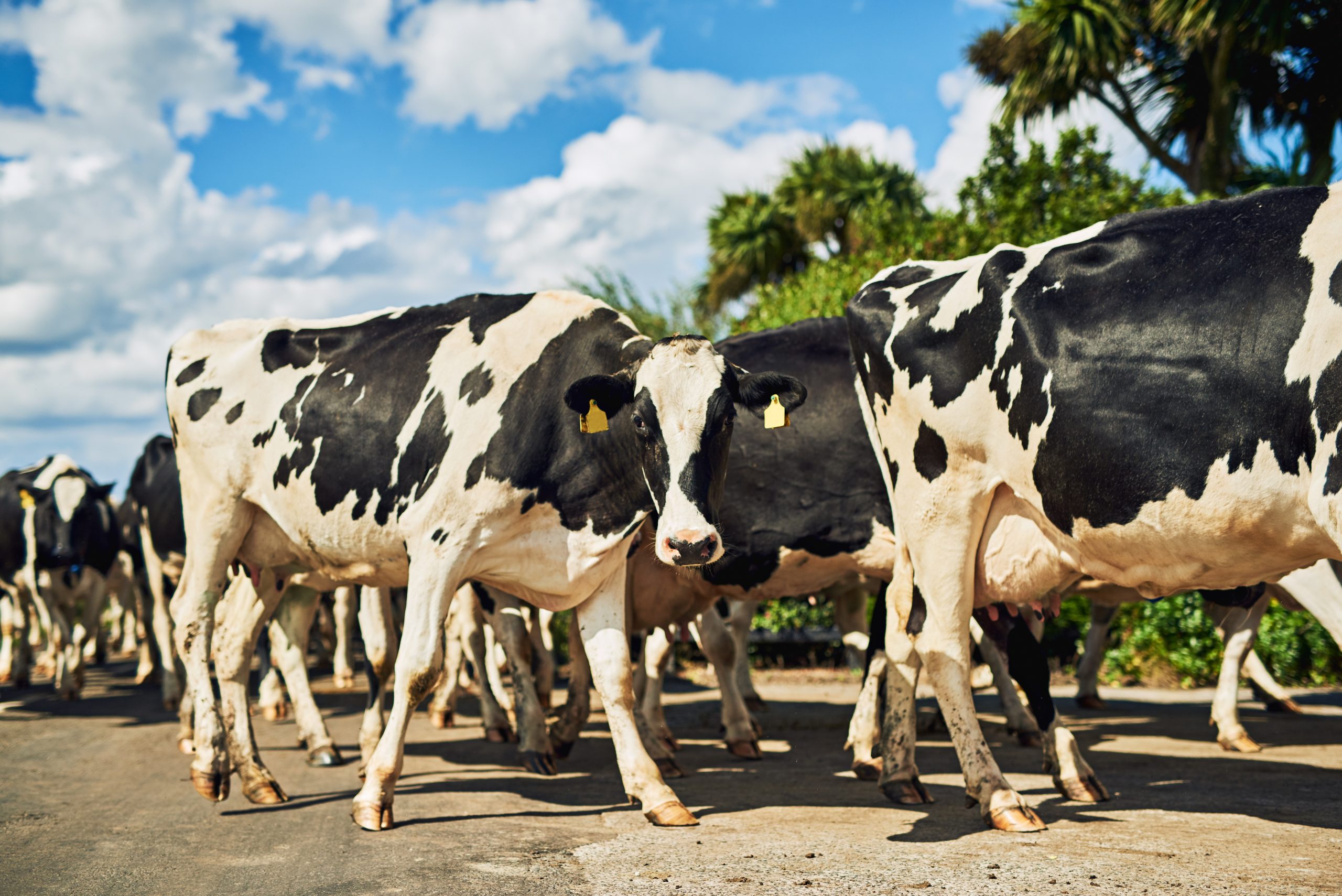
Over the last decade, technology has slowly but surely been creeping into Irish agriculture, until now in 2026, it is at the forefront of many tasks.
Whether it is heat detection collars, robotic milking, GPS systems, or online tools such as Sire Advice and Pasturebase, every farm has adapted to some sort of technology.
This is evident considering 1,060 farmers applied for health and fertility monitoring units including heat detection collars, tags, boluses and base stations under TAMS in 2025, and a further 663 applied for the grant in 2024.
And the advancements do not stop there, with virtual fencing now influencing farm systems across Ireland.
Virtual fencing does exactly as it says on the tin; it eliminates the need for physical fencing by emitting audio via a collar as cows approach a virtual boundary, followed by small electric pulses into the cow via the collar when she crosses the virtual boundary.
With this system, farmers can reduce labour by fencing fields remotely from the ease of their phone.
The system is most commonly adopted by dairy farmers, who are operating an A, B, C robotic milking system, as well as farmers grazing hilly and difficult terrains.

Questions have previously been raised regarding animal welfare when the system, which is popular in places such as New Zealand and Australia, is in use.
However, cows are quick learners; once they get a shock, they quickly learn to stay away from areas where their collar is emitting audio, similar to how they quickly learn to stay inside physical electric fences.
Studies
Teagasc recently carried out studies in its Moorepark facility to evaluate the performance of these virtual fences.
The study evaluated the performance of the virtual fencing system on a dairy herd receiving three allocation of fresh grass daily.
Two mobs of 80 cows were established at random, with both mobs given 24-hour access to 18kg/DM/cow.
However one mobs' paddock was split into three allocations under the virtual fencing.

Following the trial, Teagasc stated that the audio cues emitted by the collars outnumbered electrical shocks, which the researchers concluded was a sign cows are responding well to the audio cues.
In week one of the trial, the average number of audio cues was 7.3 per cow each day.
However, by week four, it had risen to 10.9/cow/day, this shows that cows were beginning to understand and push the boundaries.
Meanwhile, electric pulses stayed at 0.3 per cow each day over the course of the trial.
Teagasc stated that the pre-grazing yields and post-grazing residuals were similar in each treatment.
The study also highlighted how there was no difference in the milk yield/cow per day and milk solids yield/cow per day between the two treatments.


