Is there an issue with 'calendar farming' in Ireland?

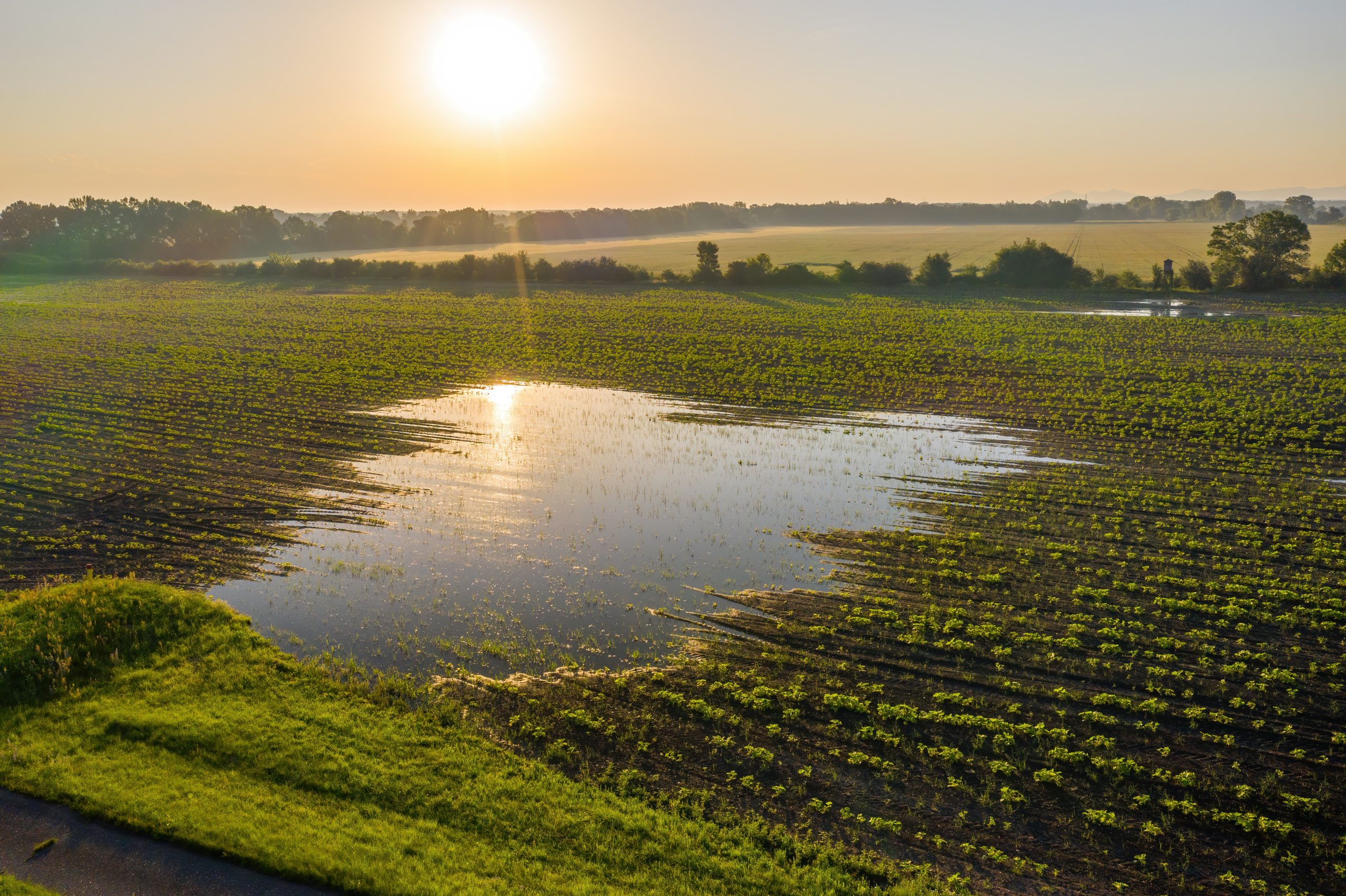
As restriction periods lift for fertiliser and slurry, some farmers are highlighting the issues with 'calendar farming' in Ireland.
'Calendar farming' is a loose term which refers to restrictions in the dates which farmers can spread the likes of chemical fertilisers and slurry under the Good Agricultural Practice Regulation.
On paper, these regulations might make sense, as the closed period accounts for times of reduced growth and increased risks of nutrient run-off.
However, in reality, one big issue is that many farmers can now legally spread both chemical fertiliser and slurry, despite an average total rainfall for the month of January of 130mm in Ireland (as of Thursday, January 29).
The flooding we have experienced over the past seven days means if farmers could travel their land and spread fertiliser, it more than likely could end up in water courses as run-off.
Meanwhile, farmers are also unable to take pressure off slurry tank storage during October, when conditions could be deemed as suitable and dry, as slurry spreading is restricted under the regulations.
Farmers are becoming more and more frustrated with the systems, because many feel it is rigid and inflexible, and not compatible with Ireland's unpredictable climate.
Calendar farming
'Calendar farming' has the ability to undermine the environmental goals in place under regulations, as spreading now would lead to huge run-off.
Realistically, even with restriction lifted, farmers will not be spreading fertiliser in these conditions, especially considering current prices of protected urea hitting €570/t.
Farmers neither want to waste valuable fertilisers or intentionally cause damage to water courses.
Calendar farming can also lead to poor grass growth and nutrient management, which means paddocks will end up requiring additional fertiliser at a later date.
What are the alternatives?
Alternatives or flexibility within the current system seem to be over-looked regularly, with many feeling a new system could be harder to enforce compliance.
But in reality, decisions should be based on soil moisture, temperature, and ground conditions rather than a blanket restriction period.
Some countries use tools where a farmer inputs details such as location, soil type, slurry type, and their intended application date.
They then receive a red, amber, or green approval/denial.
A system like this could be implemented into a tool most farmers already use, such as Pasturebase, and tied up with Met Éireann rainfall reports.
However a condition-based system means farmers could be restricted during the 'open season' if conditions are poor, like the summer of 2023, which would make the season extremely tough to work with.
Another alternative would be keeping the same model, but adding flexibility so farmers can work with the weather.
At the end of the day, farmers will never be free of these regulations, but can be hopeful a more flexible arrangement is established.