Irish shoppers buy strawberries based on freshness - Bord Bia

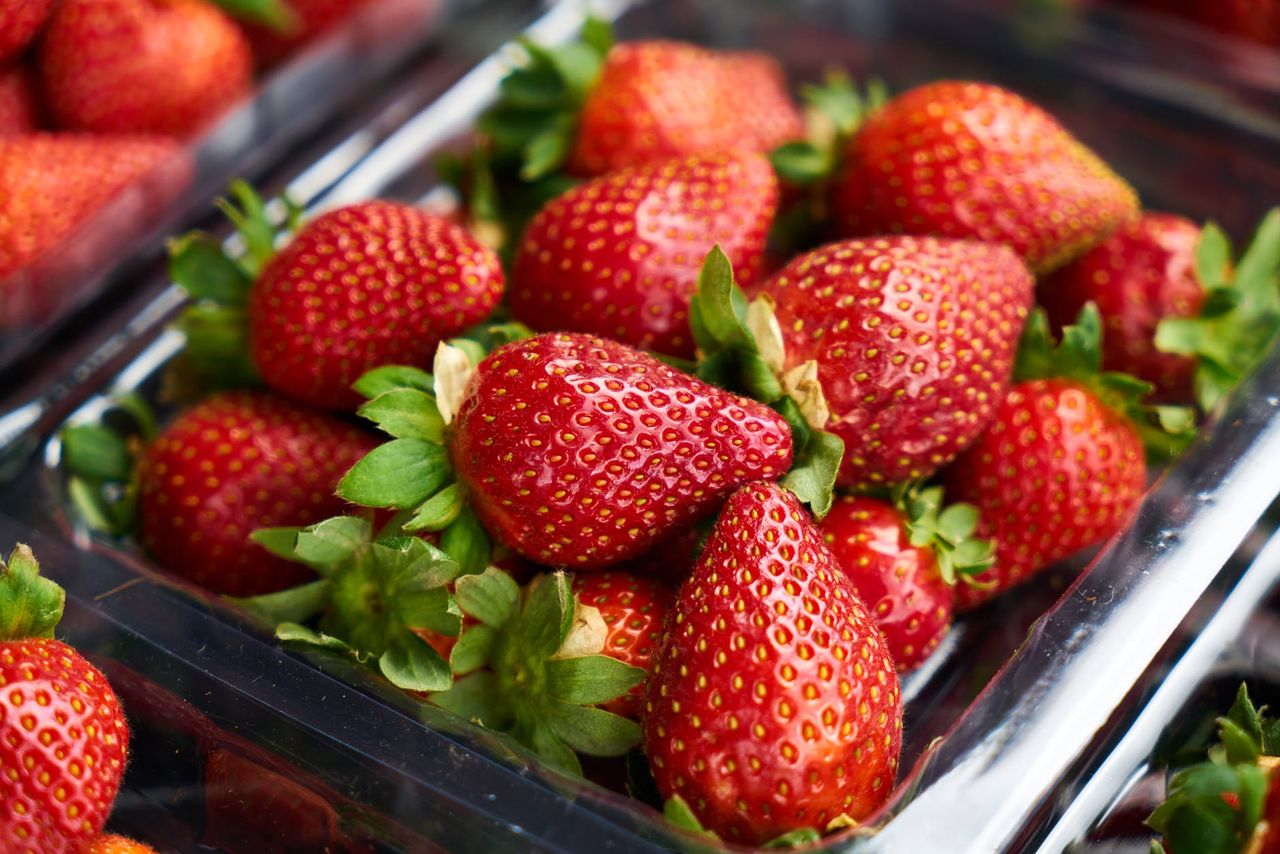
New season strawberries mark the arrival of summer for many in Ireland.
Bord Bia recently launched the 'Celebrate Strawberry Season' campaign in conjunction with the Irish Strawberry Growers Association.
Bord Bia's horticulture sector manager, Emer Gallahar Hall told Agriland that Irish consumers prefer the taste of Irish varieties.
"Recent Bord Bia fresh produce research has shown that Irish shoppers buy strawberries based on their freshness," she said.
"The research also showed that Irish strawberry consumption is now driven mostly by consumers aged 25-34 and 45-54, who are more likely to have bought strawberries on the last shopping trip."
The research also showed that Ulster/Connaught shoppers buy strawberries more than any other part of the country.
Overall, 29% of shoppers bought them on their last trip to the supermarket.
Eating seasonably
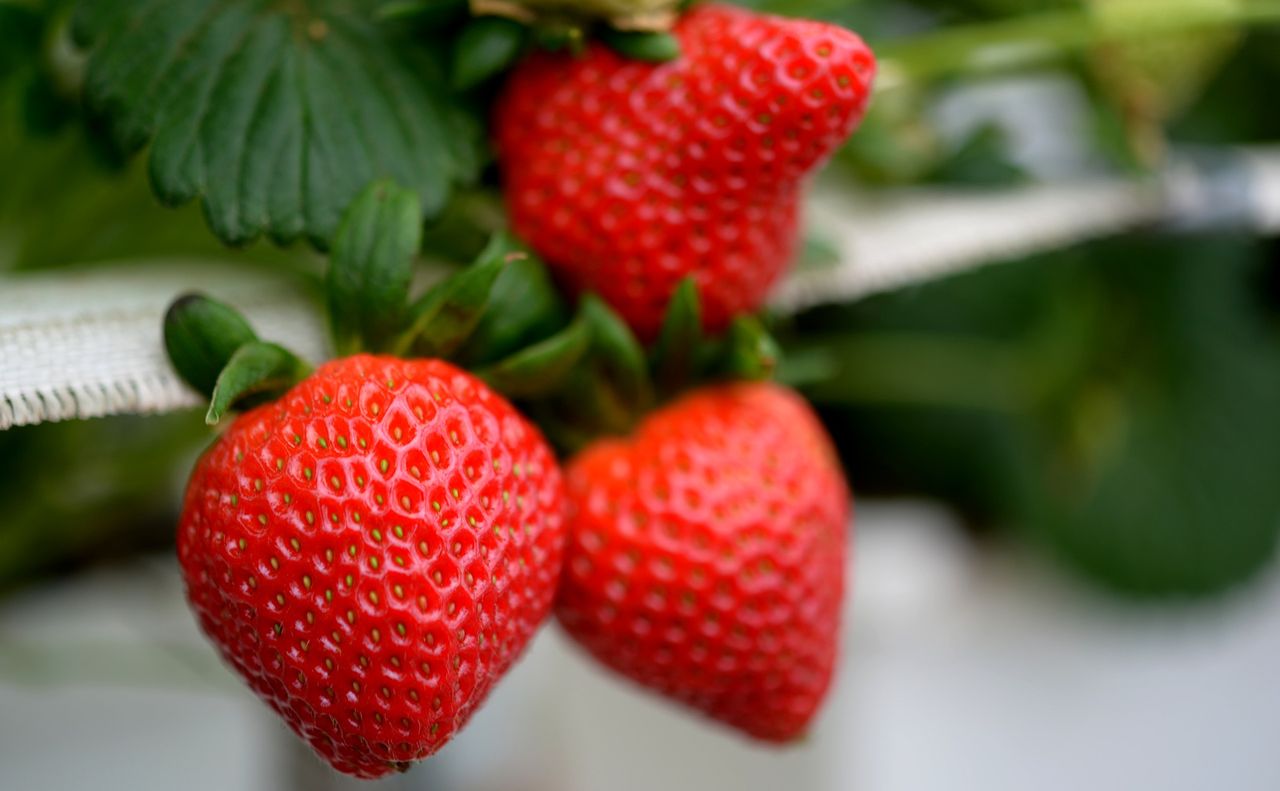
Strawberries grown in Ireland reach peak ripeness in summer (typically June–September), but some growers use glasshouse lighting to extend the season from March up until December, Gallahar Hall explained.
"When picked at the right time, they are sweeter, juicier, and more flavourful than imported alternatives," she said.
She highlighted that Irish strawberries are harvested when fully ripe, resulting in a fruit that is: naturally fat free; naturally low in calories; naturally high in fibre; and high in vitamin C.
"Consuming seasonal produce ensures that fruits and vegetables reach stores after travelling much shorter distances, which in turn reduces food miles," Gallahar Hall continued.
"This not only lessens the environmental impact associated with transportation but also supports fresher, more flavourful options for consumers.
"Irish strawberries require less storage and refrigeration resulting in a lower carbon footprint, and often have less packaging and waste compared to imported fruit."
Irish growers
Currently, Bord Bia said it has 18 strawberry members - which include growers and other sites - on the Sustainable Horticulture Assurance Scheme.
All these growers are family-owned and are experts in their (own) fields, Gallahar Hall said.
"While the number of growers has declined in recent years, the crops yield has increased, resulting [in] growers producing more strawberries over a longer season, with sector innovation playing a key role," she said.
Imports and exports of strawberries
Ireland exports a small portion of its harvest to Northern Ireland, while the vast majority grown are consumed within the domestic market.
Imports in 2025 were:
- 14,068t valued at €57.8 million for fresh strawberries;
- 2,169t valued at €4 million for frozen.
Gallahar Hall explained: "Sales of Irish strawberries rarely coincide with imports, since imported strawberries are only brought in when locally grown varieties are unavailable due to being out of season.
"This clear separation ensures that Irish strawberries remain the preferred choice during their peak harvest periods, while imports fill the gap when domestic supply is low."
She said that due to the significant expenses associated with cultivating strawberries during the winter months, Irish growers "primarily focus their production efforts on the spring, summer, and autumn seasons".
"This approach allows them to manage costs more effectively while still delivering fresh, high-quality strawberries throughout the majority of the year," the Bord Bia horticulture manager added.
Horticulture input
Teagasc this week published its Horticulture Crop Input Prices 2026 report.
The soft fruit industry in Ireland is currently valued at approximately €50 million, with the largest soft fruit crops grown being strawberries.
This crop represents about 90% of the total soft fruit crops grown with an annual harvest of 10,000t of fruit.
The largest production takes place in Leinster with counties Wexford, Meath and Dublin being the largest producers.
Teagasc estimates input inflation in 2026 will be 5.5%.
Since 2020, the cumulative increase in inputs to produce soft fruit has increased by 63.1%.
Labour is the largest single production input cost. This accounts for 44.6% of the total production cost on each farm, Teagasc said.
The second largest cost for those growers heating glasshouses is energy. It makes up approximately 12.5% of the total costs of production.
The costs of running the soft fruit packhouse, including all the associated packaging of the berries, cold storage, labour and transport costs, has also increased dramatically.
In the past year, the costs of running the packhouse have increased by approximately 5%.
The cost of plants increased by 8% in 2025 and 10% in 2024.
All strawberry plants are imported, mainly from the Netherlands.