International economic body publishes Irish rural policy review

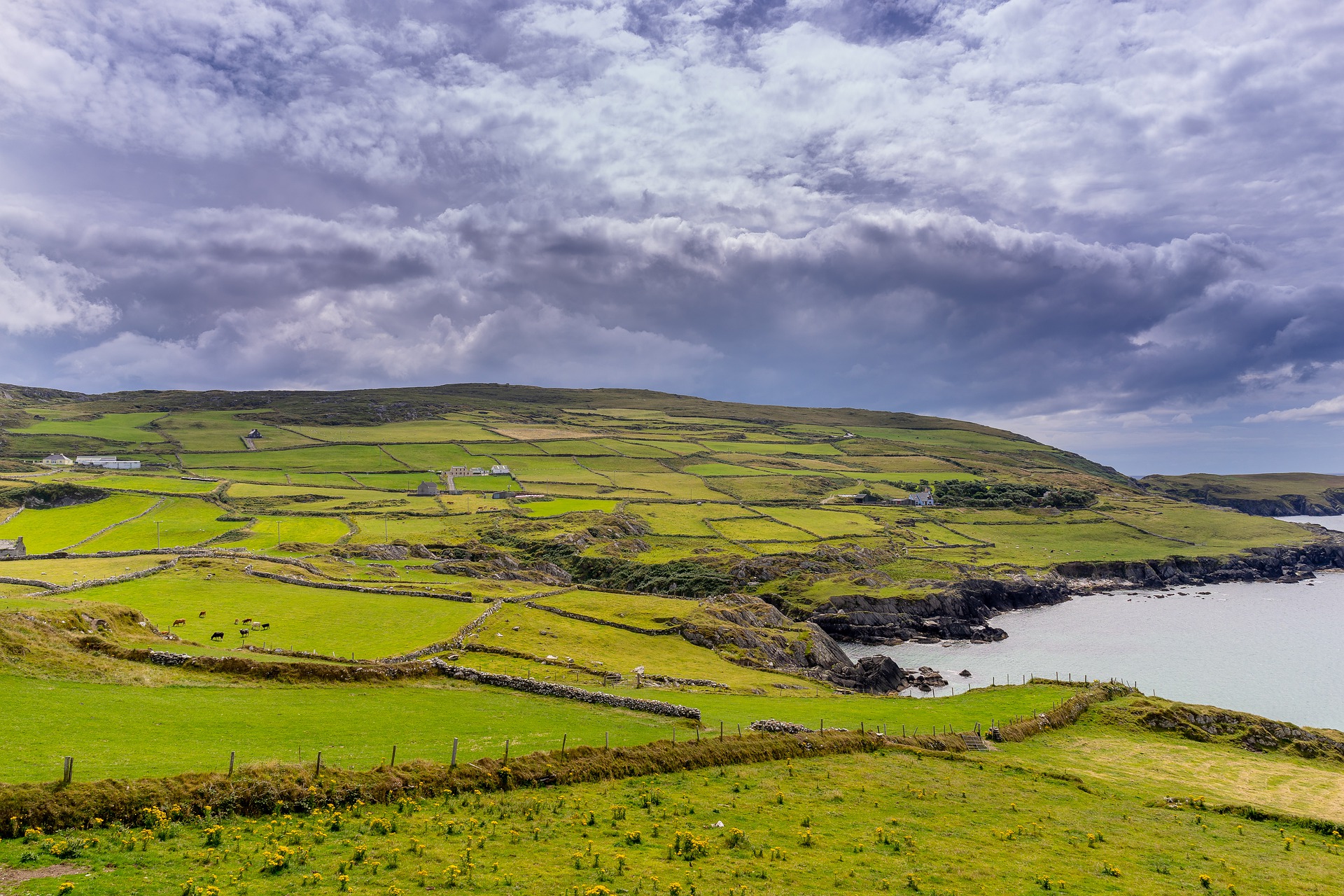
The Organisation for Economic Co-operation and Development (OECD), a major international body with 38 member countries, has published a review of Ireland's policy on rural areas.
The report includes comments on the agriculture sector, suggesting ways to make it more viable and to allow the sector to diversify in ways that can keep people in rural areas.
It says that the majority of Irish farm households operate smallholdings that cannot generate sufficient farm income to provide a sustainable standard of living.
It adds that two pathways exist to raise household income: achieving greater efficiency through farm consolidation (often limited by fragmented land ownership); and expanding off-farm employment and enterprise opportunities through broader ruraleconomic development.
The OECD report notes that farm succession typically occurs late in the life cycle, with returning family members taking over holdings near retirement age, which delays investment in modernisation and perpetuates low productivity.
Creating vibrant local economies with good employment prospects could alter this dynamic, it says.
This would allow younger generations to remain in their communities, combine off-farm work with farming, and prepare earlier to assume farm management.
This would strengthen both the economic base of rural areas and the long-term sustainability of family farming.
Our Rural Future
The OECD calls on Ireland's Our Rural Future policy to position agriculture as an integral component of territorial resilience, by promoting stronger linkages between non-farm diversification and local enterprise development.
It also calls on the Irish policy to encourage different, specific approaches across rural areas to support agri-tourism, short supply chains, renewable energy, and ecosystem-service markets.
The report also suggests improving co-ordination between different government departments, including the Department of Agriculture, Food and the Marine, to align the Common Agricultural Policy (CAP) with rural enterprises and community development measures.
It recommends that the Department of Rural and Community Development and the Gaeltacht "leverage opportunities and resources", such as the LEADER rural development initiative to back projects that integrate farming with local enterprises.
These enterprises could include things like crafts, food, small-scale processing, renewable energy, heritage or ecotourism.
Community-based infrastructure such as shared processing facilities and local food hubs could add value to farm output, the report says.
It also said that the Our Rural Future policy should facilitate training, green skills development and remote-work opportunities through broadband and digital hub initiatives for farm families.
The key recommended actions from the OECD report in the area of agriculture are as follows:
- Align rural and agricultural policy through structured inter-departmental co-ordination;
- Tailor diversification support to rural typologies;
- Invest in value-added local supply chains and community-based agri-innovation;
- Strengthen youth engagement, green skills training, and early succession planning in farming;
- Target off-farm employment opportunities for small-scale households to diversify household income;
- Work with the Department of Agriculture on enhancing the visual appeal of rural Ireland by helping to finance farm building renovations.
The overall conclusion of the report states that rural Ireland has distinctive strengths, such as a strong policy framework that is unique among OECD member states; and institutional infrastructure for place-based policy development.
However, the report also states that the central challenge for Ireland is not a lack of policy, but lack of variation in it.
The report says that Ireland's rural areas feature a mix of different types of rural regions, from hinterlands to remote areas, yet policies rarely distinguish between them.
Reaction
The OECD report has been welcomed by Minister for Rural and Community Development and the Gaeltacht Dara Calleary.
The minister said that the report highlights the unique whole-of government approach taken under Ireland’s Our Rural Future policy, which has, he said, provided increased visibility on the impacts of rural areas of policies and programmes across all government departments.
However, he noted that the report also highlights a range of challenges facing rural areas.
"I am extremely grateful to the OECD for sharing its vast expertise and experience examining rural development policies and practices across its members," Minister Calleary said.
"This review has provided a highly valuable independent evaluation of Irish rural policy, which will now help to inform the development of our new rural development policy, Our Rural Future.
"I am pleased to note that the report recognises the benefits of our whole of government approach to addressing our ambitions for rural Ireland. Of course, challenges remain in ensuring we fully achieve this ambition and the detailed analysis provided by the OECD will help us to do this," the minister added.