ICOS 'deeply concerned' about Habitats Directive compliance and nitrates derogation

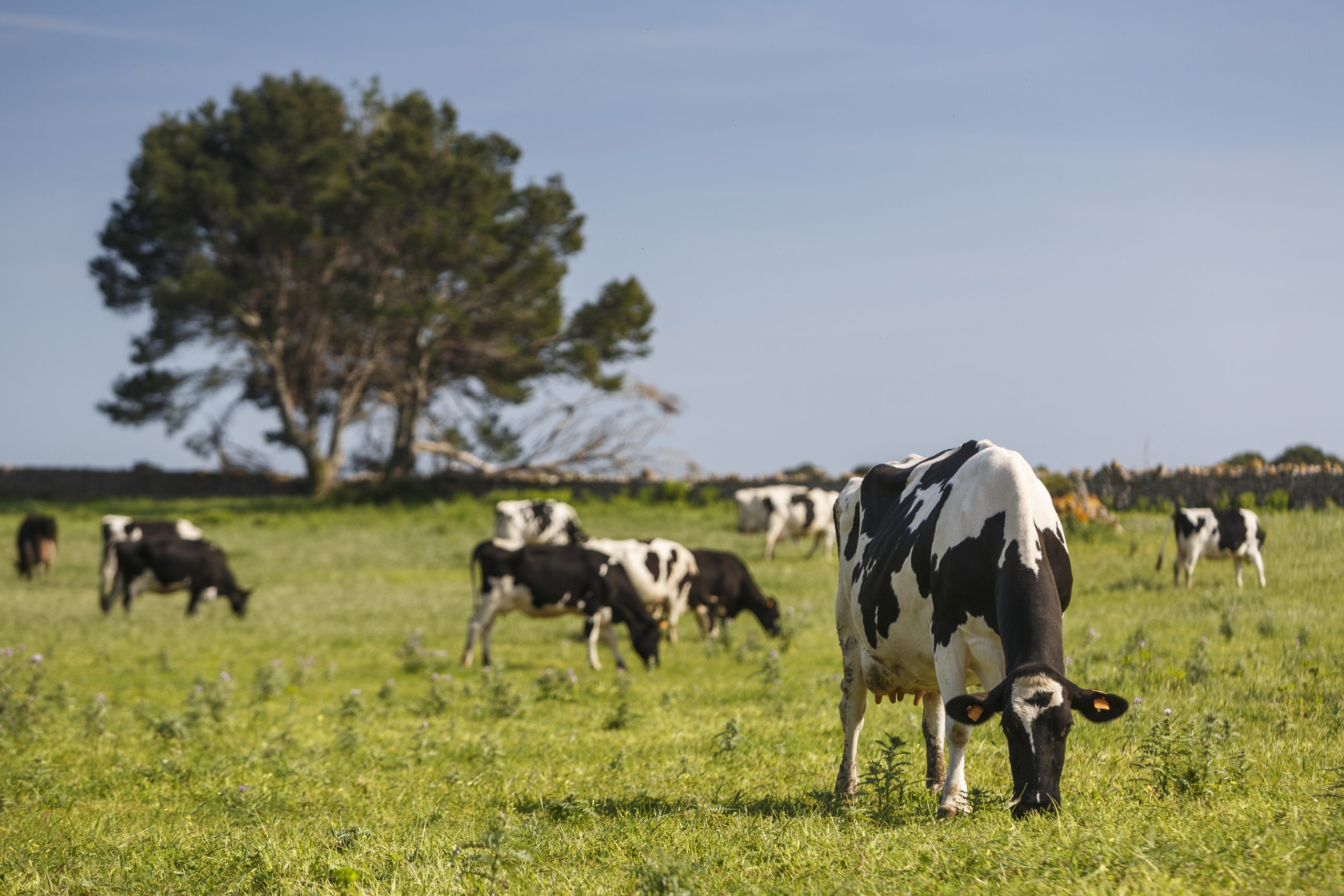
The extension of Ireland’s nitrates derogation "is vital for both generational renewal and Ireland’s family farm model," according to the Irish Co-operative Organisation Society (ICOS).
However the organisation, which represents 130 co-ops, has said it is "deeply concerned" as to how compliance with the Habitats Directive will be implemented as part of the nitrates derogation.
According to the European Commission the Habitats Directive "aims to protect over a thousand species, including mammals, reptiles, amphibians, fish invertebrates, and plants, and 230 characteristic habitat types".
Habitats Directive
The Department of Agriculture, Food and the Marine has outlined that under the Habitats Directive "any plan or project likely to have a significant effect on a designated site or species must be subject to Appropriate Assessment of its implications for the site".
This means that authorities can only agree to a plan or project going ahead when they "have ascertained it will not adversely affect the integrity of the site".
DAFM has also highlighted that the European Court of Justice has "ruled that the grazing of cattle and or the application of fertilisers on the surface of land or below its surface in the vicinity of Natura 2000 sites maybe classified as a ‘project’.

What is an Appropriate Assessment?
According to the department the Appropriate Assessment process consists of a number of stages including screening.
This first of all determines whether the project is likely to have a significant effect on a designated site(s) in view of the site’s conservation objectives.
If it is determined that the project will not have a significant effect, then the project can proceed.
If the project is likely to have an effect - or if it is unclear what the effect might be - then the project must be subject to an Appropriate Assessment.
This then requires a "detailed impact assessment of the implications of the project" on the integrity of a Natura 2000 designated site, based on best available scientific evidence and methods.
DAFM has said it will now "commence the process of conducting catchment level assessments" under the Habitats Directive.
It previously outlined that undertaking screening and AppropriateAssessment at a catchment/sub-catchment scale was, in its view, "the optimum approach to deal with nitrates derogation compliance, with the approach being reasonable, manageable, transparent, equitable and robust".
According to DAFM it will use the 'Source-Pathway-Receptor' framework - which is a risk-assessment framework widely used in catchment science - to conduct Appropriate Assessments.
Under this the receptor is the designated site - the Special Area of Conservation, Special Protection Area.
Source will be derogation farms and Pathway will be based on hydrological connectivity - either surface or groundwater - between source and receptor.
ICOS
The president of ICOS, Edward Carr, said today (Tuesday, December 9) that the organisation wants to see "a well thought out plan" in relation to the Habitats Directive and the nitrates derogation.
Carr said this would also need to be implemented over several years.
"In the long term, we need to ensure we have a workable derogation that will deliver certainty and clarity for farmers, for the next generation of farmers and the dairy co-operative sector," he added.