How to get started in food diversification

From honey to ice cream and everything in between, Irish farms are embracing food diversification as a way to expand, future-proof and rebrand.
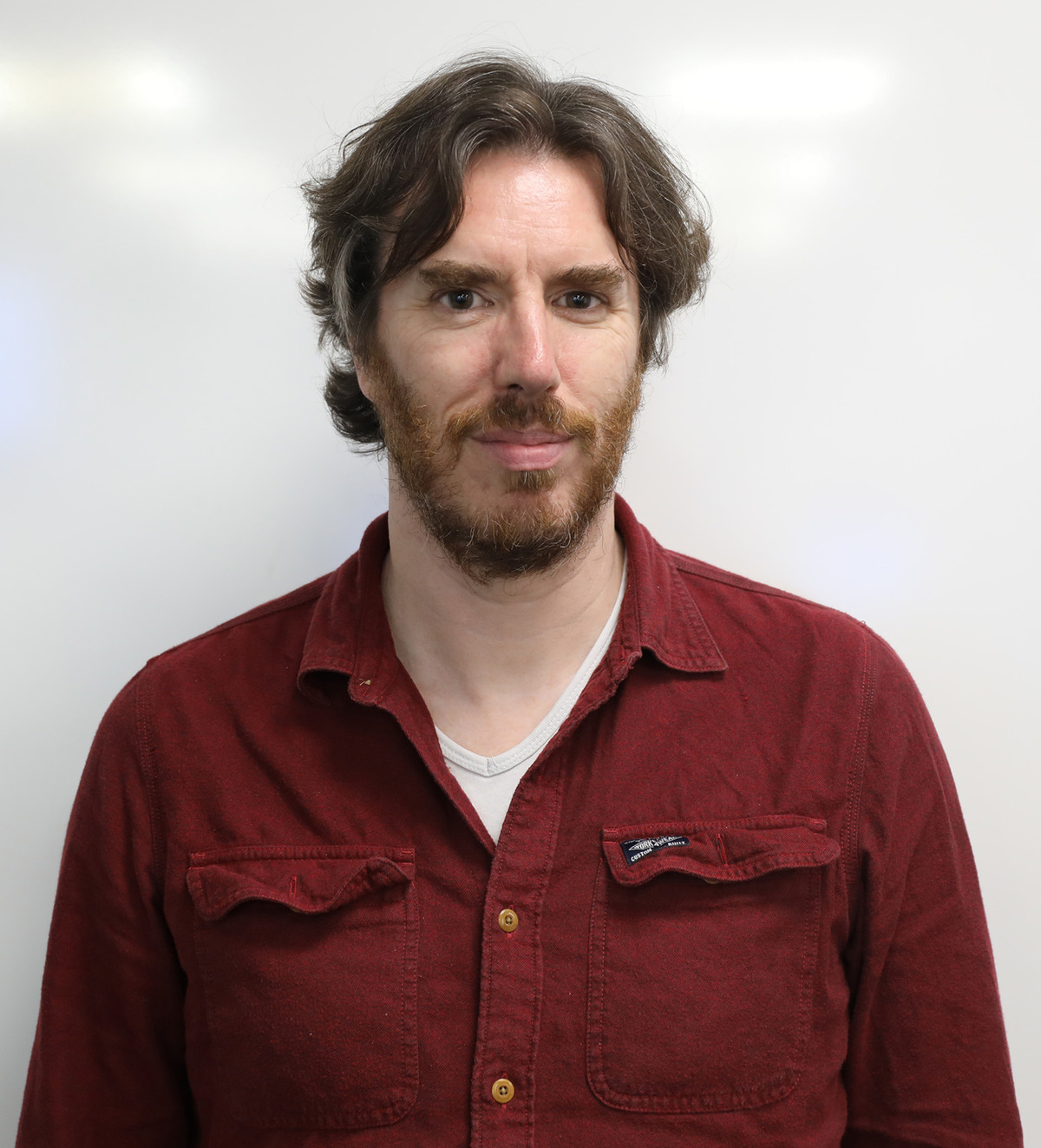
Deirdre Kennedy, artisan and small food business technologist, Teagasc, talked to Agriland about food diversification for farms.
Kennedy said that there are “a few different trends or commonalities” in farms that choose to go down this path.
She explained: “Usually a second person is involved,
“It might be a second person in the family – next generation or spouse, someone who collectively or individually wants to create a second income or to future proof.
“You’d have people with a different skillset - hospitality, or being good with people.
“Most importantly, they are passionate about the products they’re going to sell, whether that’s local food, slow food, or a good connection to farm and land and wanting to get traditional products out there.”
Kennedy said that it can also be “someone entrepreneurial who says ‘there’s an opportunity, I can start my own business, and I have the initial products’.”
Trends and products
The range of artisan products available directly from Irish farms is incredibly varied.
The Centre of Food Culture Ireland, a social enterprise, has a long and growing directory of artisan and farmhouse food producers.

Products include pantry goods (sauces, condiments, crisps and so on), baked goods, seafood, dairy, cured meats, honey, and preserves.
“I sit on some forums and see representatives from beekeeping, beef, seafood smoking, and more,” Kennedy said.
“Product-wise, there’s a trend with milk vending machines, a handful doing ice cream, yogurt, and a good cohort of farmhouse cheese makers.”
Advice
Kennedy said that food diversification is “a whole new world” for farmers.
“If you’re a farmer, you’re now becoming a food business ,” she said.
“Consider the fact that you have two jobs, or a whole new tack.
“The drive would have to be there. With food, it’s often a few years down the line before there’s profit. There’s a startup cost.”
On a more optimistic note, there is a huge range of resources available.
“There are supports out there not everyone is aware of,” Kennedy said. “It’s good to talk to agencies and people.”
Resources
For artisan and farmhouse food producers, Kennedy said “the greatest resource is each other”.
“Artisan producers are supportive of each other,” she said.
“Talk to someone who’s doing something similar and look at pain points, day-to-day.
“There are groups that get together and events to share experiences and have focus groups. You see that with the Association of Irish Farmhouse Cheesemakers [Cáis] and in beekeeping, for instance.”
Training courses
On the education side, Teagasc run business programmes regularly, as well as webinars.
Many of the courses are over one or two days, during which time specialist advisers often talk through all the commonalities and various stages of the business journey.
“That’s a good start. It’ll open your eyes to practicalities," Kennedy said.

On the product-making side, there are courses available for cheese making in Teagasc, and many open and diverse farms do food-related courses of their own (Ballymaloe has a wide range).
Elsewhere, Enterprise Ireland offer ‘Innovation Vouchers’, which provide up to €10,000-worth of time with an expert.
This is available to small and medium-sized enterprises (SMEs) seeking fresh, innovative thinking around business challenges.
“For organic farmers, there’s Organic Trust,” said Kennedy, referring to the organic certification organisation.
She added: “You need to reach out and talk to a few agencies and a few people before taking the plunge.”
Regulation
Unsurprisingly, selling directly to consumers comes with a new set of rules.
Kennedy said: “Be aware that you’ll have to upskill on food hygiene. It’s an EU law that governs it. You’ll have to sit down and get your head around it.”
She suggested reaching out to the inspectorate “long before you’re ready to sell”.
“Have a chat about what to get up to scratch,” she added.
“Build a relationship with the inspectorate before you build anything else. Know what’s needed before getting on the market.
“It’s important to have early conversations. Go in with your eyes open because there’s a lot involved. There are people in Teagasc to help.”
She added: “Regulatory agencies can help people get to the right point. Show initiative and get to that stage. They require training and standards.
“I encourage people to think about that as early as possible.”
Telling your story
Adding a new strand to any business is a challenge. However, farmers are not starting entirely from scratch.
For example, any farm that’s diversifying on the food side already has an appealing origin story.
Kennedy said: “I would direct people to the online and marketing side of things.
"With your farmhouse, you have a good marketing story already – and it’s true. You’re producing local good food. So, it’s about getting that across.
“You’re dealing with inspections, but also the public if you’re selling at a trade show or farmers’ market. Getting your story out there is good. People skills are great to have."
The Teagasc representative also advised farmers to get support for getting online, social media, and "upskill in those things”.
Another advantage that farmers have is that they are often no strangers to running a business.
“It’s an entrepreneurial journey,” said Kennedy.
“Farmers are often good at that, working for themselves. This is about another level of that, if that journey is what interests you.”