Heydon tells EU council transition from peat ‘will take time’

Minister for Agriculture, Food and the Marine, Martin Heydon said that Ireland's transition from using peat "will take time" and that Ireland has "made good progress in researching and developing alternatives to peat".
Minister Heydon made these comments at the EU's Agriculture and Fisheries Council today (April 27).
“Peat is and remains an important growing substrate for horticulture,” he said.
The minister added: “In Ireland, about 60% of the value of Irish horticulture is dependent on peat as a growing medium.
“But there is an acknowledgement by the sector that it must transition from the use of peat as a growing medium.”
Minister Heydon said that the “transition from using peat will take time and, in Ireland, we have made good progress in researching and developing alternatives to peat”.
He added: “However, time will be needed to produce a suitable, consistent alternative to peat. The need to ensure a just transition must align with the development of suitable alternatives.”
Schemes
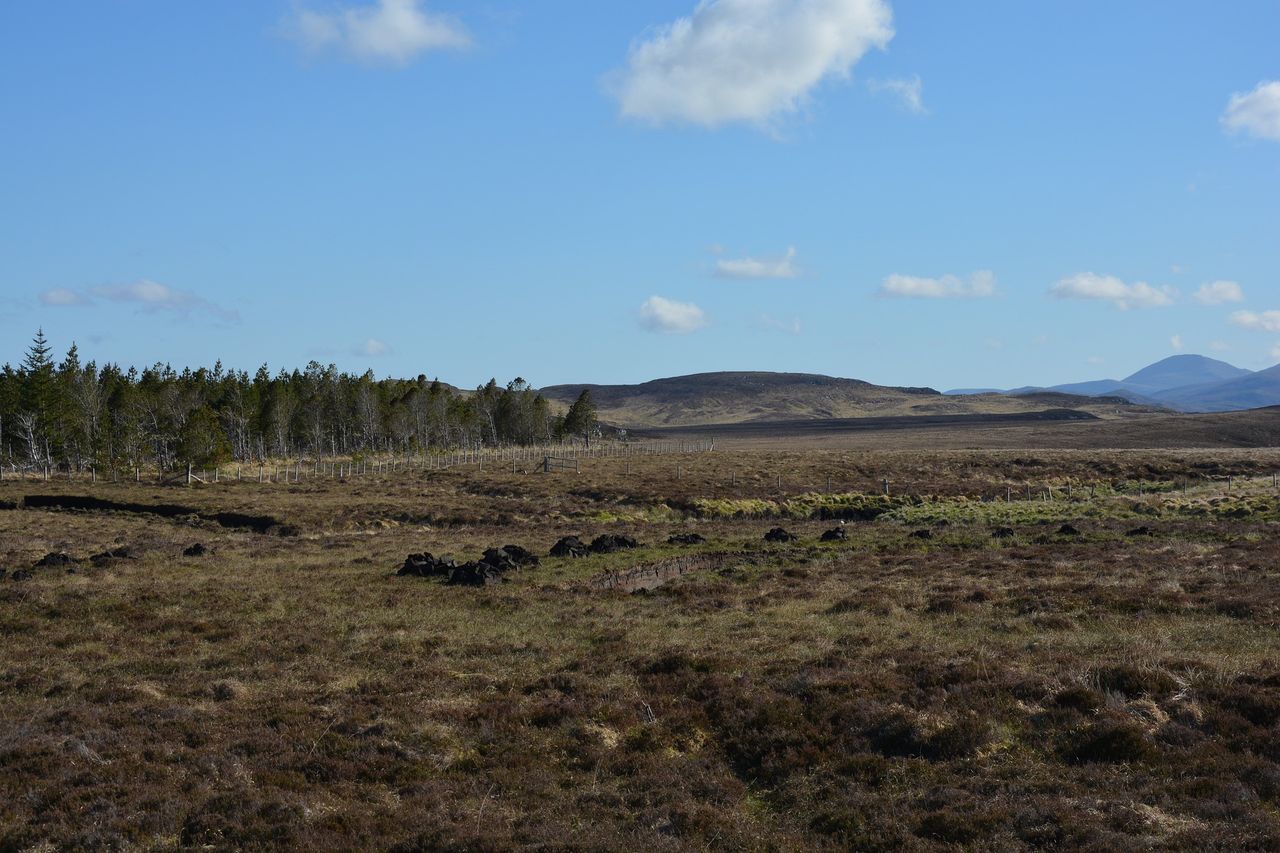
Recently, Minister of State at the Department of Housing, Local Government and Heritage, Christopher O'Sullivan outlined schemes available to provide support for those impacted by restrictions on turf-cutting on protected sites.
Sinn Féin TD Claire Kerrane asked the minister if his department is considering a new phase of supports for existing Cessation of Turf Cutting Compensation Scheme applicants, "as per correspondence issued to applicants".
Minister O'Sullivan replied: “The Cessation of Turf Cutting Compensation Scheme was established following engagement with stakeholders in 2011 for active domestic turf cutters arising from the restrictions on turf cutting on 53 raised bog Special Areas of Conservation (SAC) and was extended in 2014 to include 36 raised bog Natural Heritage Areas (NHA).”
The minister went on to note that the National Parks and Wildlife Service "offers other schemes to support the conservation of these sites and local community groups".
These include the Protected Raised Bog Restoration Incentive Scheme, which he described as “a once-off, area based financial incentive and voluntary land purchase scheme which enables the conservation of protected peatlands”.
Germany
Two weeks ago (April 14), the European Commission approved a €1.3 billion German State aid scheme for rewetting of farmed peatlands.
The scheme aims to reduce greenhouse gas (GHG) emissions by increasing carbon storage in peatlands.
According to the commission, the draining of peatlands in Germany, which are currently used for agriculture and forestry, is responsible for 7% of annual GHG emissions.
"With this scheme, the German government aims to prevent further decomposition of the peat body and, where possible, to restore peat soils as natural carbon sinks," the commission said.