Harvest yields returned to more normal values in 2025

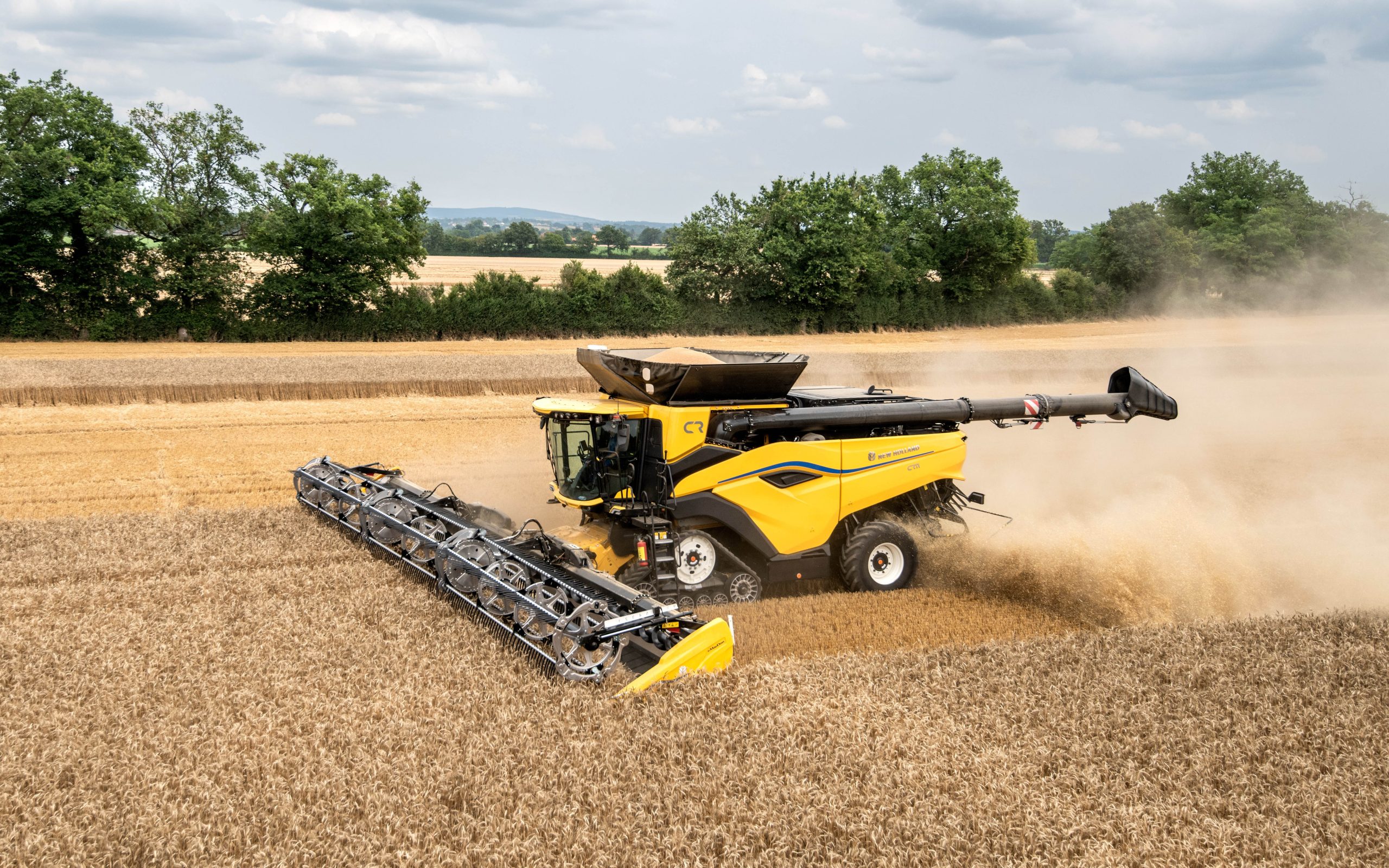
Teagasc is confirming that harvest yields in 2025 came back to levels that would be deemed more normal in terms of their overall value.
This followed the severe downturn in crop performance recorded in 2024.
Teagasc tillage specialist, Shay Phelan commented: “Total grain output in 2025 came in at 2.2Mt.
"This is, by no means, a record figure. But it did mark a rebound following the disappointing harvest that had marked 2024.
“But the real challenge confronting the tillage sector remains that of coping with international grain markets that have been in the doldrums for the past 12 months and more.
“And unfortunately, it looks like we are facing into more of the same in 2026.”
But it is issues that have arisen on the Irish market itself over the past number of months, particularly where oats and beans are concerned, that Phelan feels must be addressed as the Irish tillage sector looks towards a new year.
Communication
He explained: “A lot of this is centred on the need for better communication between the feed compounders and growers.
“Take oats as a case in point. The industry knew last spring that there were enough oats already in the system to cover its needs for 2025 at that stage.
“So why did it not go public to this effect at that time? This would have given tillage farmers the option of looking at other spring crop options in a strategic manner.
“Instead, we now have a situation unfolding within which farmers are trying to find export markets for the oats that they have in store.
“Admittedly, this is a complex situation. But the need for better communication within the tillage and feed sectors is obvious.”
The Teagasc representative went on to make the case for mixed farming: tillage and dry stock.
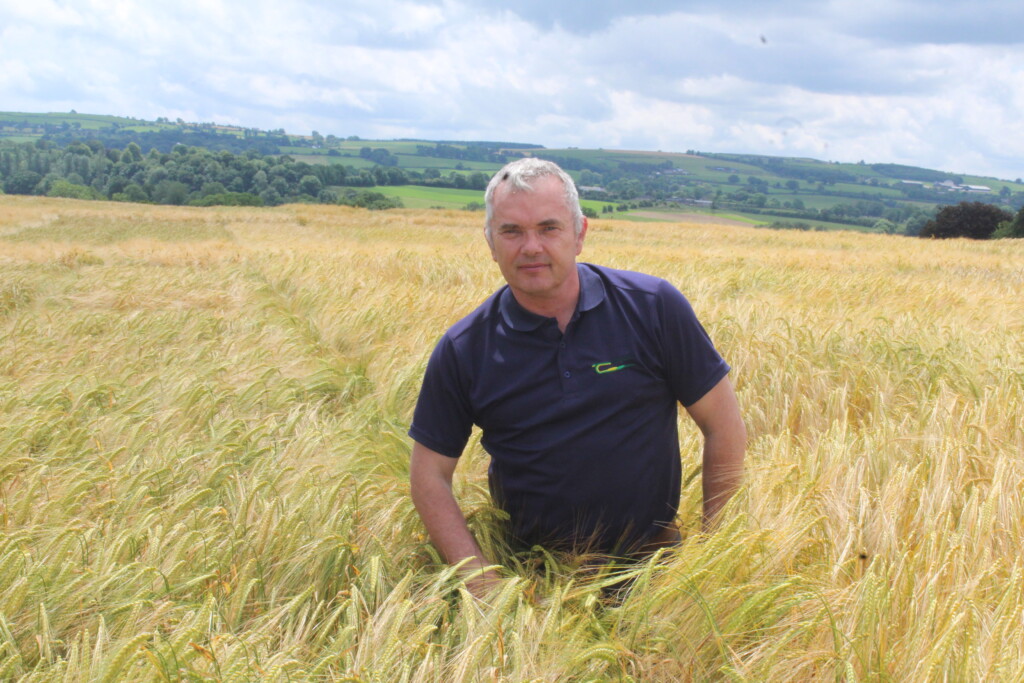
“It’s an approach that allows tillage farmers to feed a proportion of their cereal crops to cattle," he said.
"It worked well in the past. And I see no reason why it can’t drive sustainability within agriculture into the future.
“Spreading economic risk across two different production enterprises enhances the possibility of securing realistic profits within a farming business in that overall sense."
Oilseed rape
In terms of crop performance, winter oilseed rape ticked all the boxes in 2025, according to the tillage specialist.
Phelan again: “Crops yielded well and prices were acceptable. The only downside to winter oilseed rape in 2025 was the fact that the acreage grown was relatively small.
“This reflected the late harvest of 2024. However, there has been a significant rebound in the 2025/26 rape acreage."
However, there are some warning signs on the horizon for growers of oilseed rape.
And they come in the form of the growing threat posed by club root.
Phelan said: “This issue has to be addressed in the context of the rotations which tillage farmers follow.
“Oilseed rape is a tremendous break crop. And the positive impact of the difference this makes to overall crop yields is hard to underestimate.
“Moreover, the strategic use of crop rotations will help tillage farmers cope with the growing challenges caused by grass weeds with increasing resistance to herbicide applications.”
Tillage support
Turing to the €30 million aid package for tillage committed to by the government in the 2026 Budget, the Teagasc representative commented: “These monies can be put to a variety of uses by growers.
“But if it’s a case of using the support funding simply to pay back debt, then I think the farmers in question need to take a long and strategic look at the way in which they run their businesses.”