Grass growth reached average of 13.2t DM/ha in 2025 - report

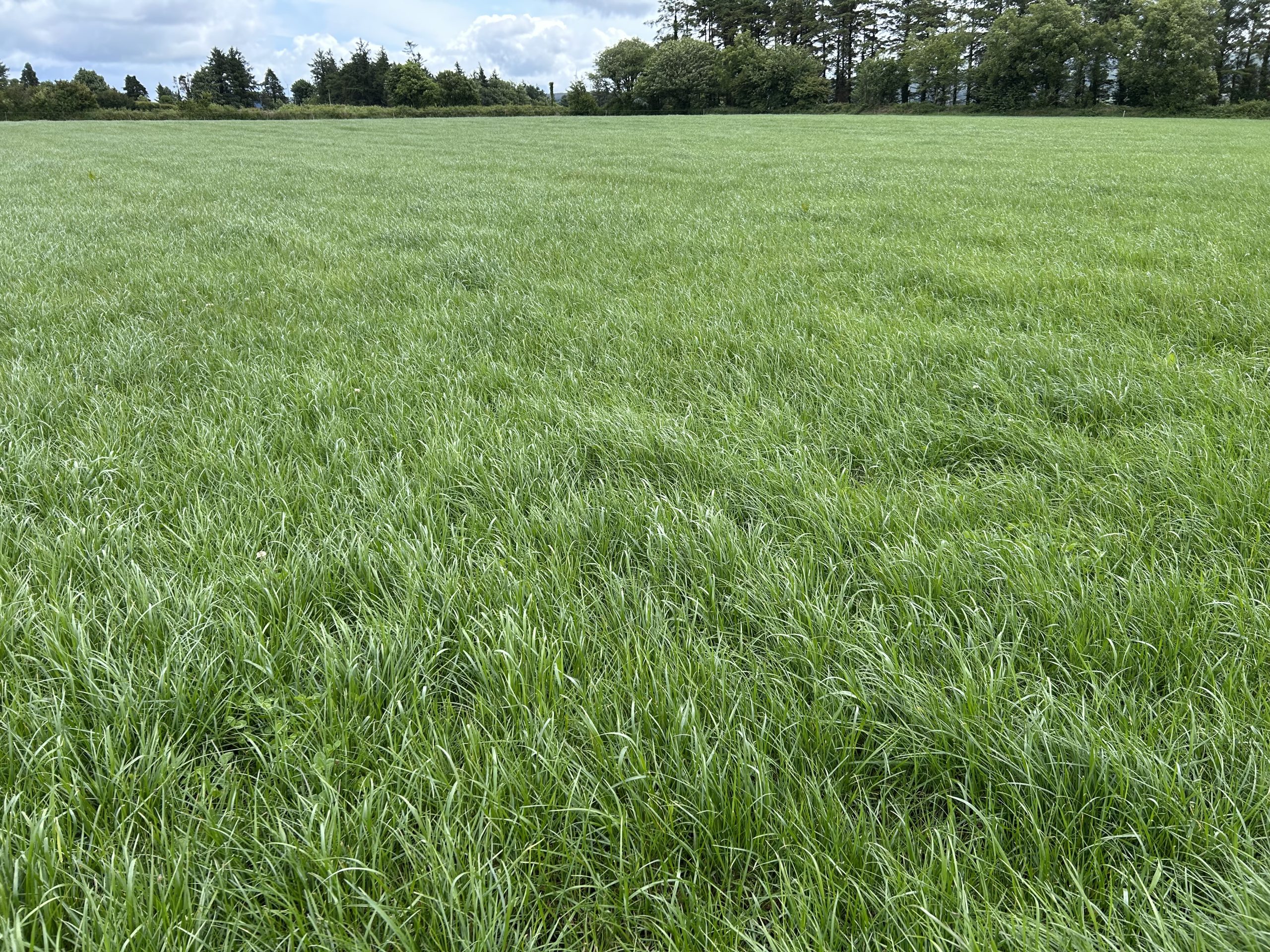
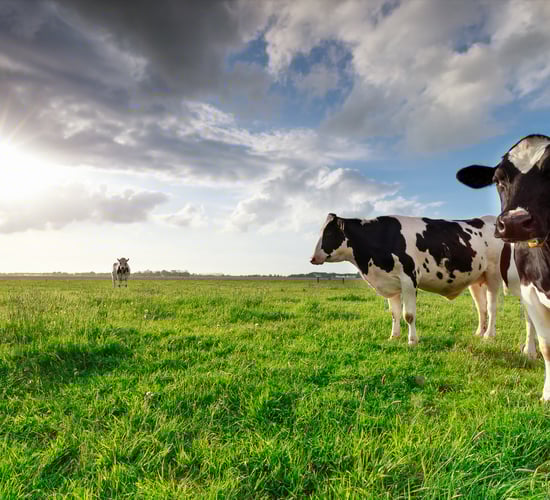
Grass production hit an average of 13.2t of dry matter per hectare (DM/ha) in 2025, according to data from farmers in Pasture Base Ireland.
This marks a significant increase in the corresponding figure of 11.8t DM/ha in 2024.
The data is included in the Achievements 2025: Progress with Innovation, Sustainability and Technical Performance in the Agri Food sector report published by Teagasc today (Tuesday, February 17).
Grass
While 2025 was a good grass growing year, growing conditions and good weather at sowing and harvesting also led to good crop yields.
However, falls in grain prices compared to 2024 led to disappointing incomes on tillage farms.
Teagasc analysis showed some improvements in soil fertility across soil samples which helped improve productivity.
The report shows that overall there was strong dairy and tillage output in 2025, but beef and sheep production dropped.
Commenting on the publication, Prof. Frank O’ Mara, director of Teagasc said: "This publication brings together some of the key metrics of productivity in Irish agriculture and the levels of adoption of the new and innovative technologies by Irish farms."

The report shows that Irish milk production increased by 5% in 2025, primarily driven by good grass growth and grazing conditions, as well as genetic improvement.
The increased production came despite dairy cow numbers falling by 1.5%.
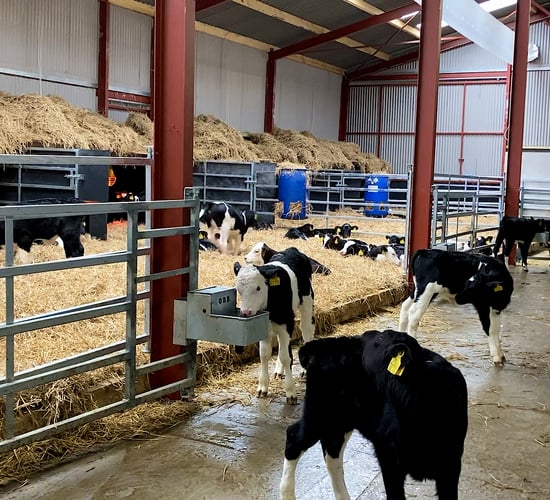
The report noted that 63% of dairy births were registered to a beef sire in 2025, reflecting increased use of sexed semen and dairy-beef straws by dairy farmers.
The average dairy farm income was an estimated €137,000 with strong milk price for most of the year and higher returns for calves and cull cows.
However, costs of production in terms remain high with Teagasc saying reducing this will be a focus on farms for 2026, given current milk prices.
Beef
In 2025, improved prices saw average incomes increase substantially on both suckler and dairy beef farms.
Prime cattle slaughterings fell by approximately 100,000 head or 8% last year. This was partially offset by a 5kg increase in average carcass weight.
The average age at slaughter remained unchanged at 26.5 months.
Teagasc said that suckler cow numbers continued to decline with a reduction of 29,000 in suckler calf registrations in 2025 compared to 2024.
62% of prime cattle slaughterings originated from the dairy herd

The average family farm income on sheep farms rose to €36,500 in 2025, mainly driven by increased prices for lamb.
However, ewe numbers fell by 2.8% and throughput of lambs through Irish meat processors decreased significantly by 17% in 2025.
Teagasc said there has been "a strong recovery" in the Irish pig sector since the "unprecedented economic crisis" in 2022.
A focus on both efficiency, as well as growth, has resulted in the highest ever herd feed conversion figures with sows producing 2.55t of meat from 8.85t of feed in 2024.
The report noted the reduction in pigmeat prices towards the end of 2025 impacted on profitability in the sector.
Tillage
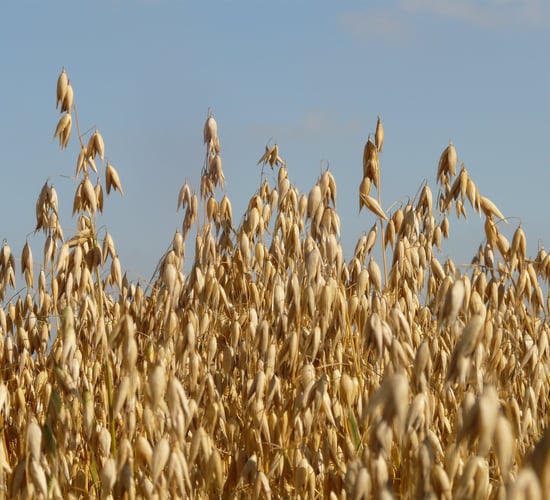
Last year saw a recovery in ceral production driven by increased winter cereal area and stronger winter wheat yields.
The total cereal output in 2025 is estimated at 2.23 million tonnes, above the five year average of 2.10 million tonnes.
Teagasc said the total tillage area remained stable last year.
However, lower grain prices saw average incomes on tillage farms stand at €47,200.
This was a modest improvement compared to 2024, which was attributed to associated livestock enterprises on tillage farms.
Teagasc also said that agricultural greenhouse gas (GHG) emissions have declined annually since 2022, reaching a cumulative 4.6% reduction in 2024, relative to the 2018 baseline.