Grain prices strengthening due to Middle East conflict - agronomist

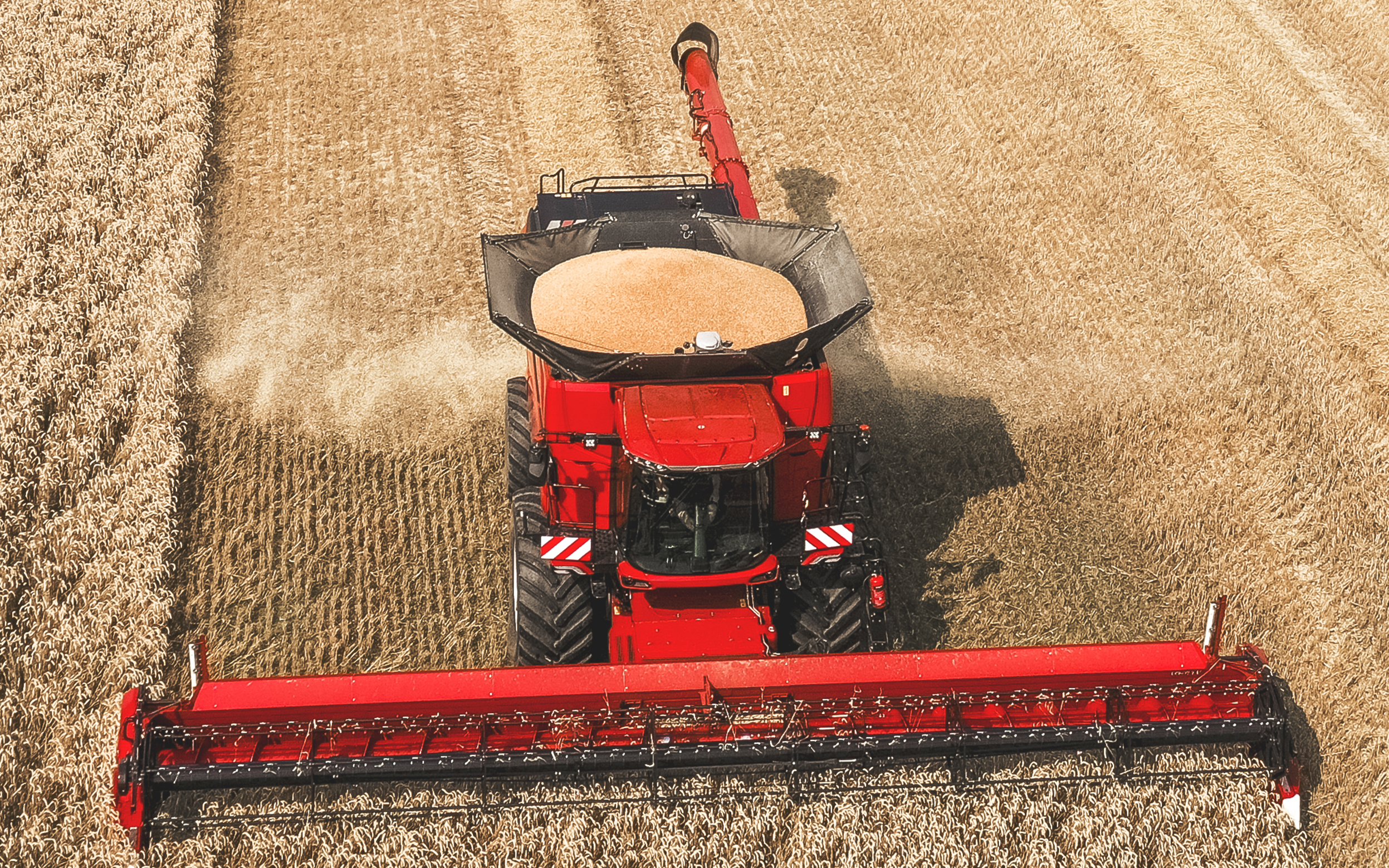
Seedtech technical director, Tim O’Donovan, is confirming that international grain prices have started to strengthen in the wake of the ongoing conflict in the Middle East.
He added: “Grain prices normally track international oil markets.
"At a time of uncertainty, grain purchasers will want to secure future stocks. And this is the key factor that has driven up grain markets over the past few days.
“But the reality remains that commercial markets, up to this point, have not been delivering sustainable returns for cereal producers in North America and Europe.
“Farmers in both regions have been relying on subsidies just to survive: this has to change."
Significantly, the changeable weather continues to thwart the intentions of farmers to get on with spring field work.
“Last week saw some spraying of crops undertaken in some parts of the country with small amounts of fertiliser spread," O’Donovan said.
“But no spring ploughing of note has taken pace up to this point. And the weather forecast for the week ahead is very changeable.”
Spring beans
Meanwhile, there is a strong expectation that spring beans will make a strong showing on Irish tillage farms in 2026.
According to O’Donovan, the crop ticks every box.
He explained: “March-sown beans have the potential to be the most profitable crop combined in 20206.
“There is sufficient seed in the country to secure a footprint of 13,000ha. At that level of planting, the Protein Aid payment should come in at €600/ha.
“When combined with the strong commercial returns available for beans and the prospect of decent enough yields, the economics involved with the growing of the crop stack up well."
Seedtech is specifically highlighting Lynx as a spring bean variety that is well suited to Irish conditions.
March-planted crops can be harvested in September.
Lynx is one of two Department of Agriculture, Food and Marine (DAFM) recommended spring bean varieties listed for 2026.
Yields in excess of 2t/ac can be expected. The variety is moderately early maturing with good protein content.

Lynx has good resistance to brackling and very good lodging resistance. It has moderate resistance to chocolate spot and good resistance to downy mildew.
Beans represent an excellent break crop on all tillage farms. They do not need any fertiliser nitrogen (N) as they are legumes and fix atmospheric N for growth purposes.
The sparing effect on soil N, and the availability of N from decaying roots, boosts the yield and reduces the fertiliser N requirement of the following crop.
According to O’Donovan: “Crops of spring barley need to deliver yields in excess of 3.5t/ac to achieve the same margin as a spring bean crops delivering 2t/ac.