Further bluetongue cases detected in 3 counties

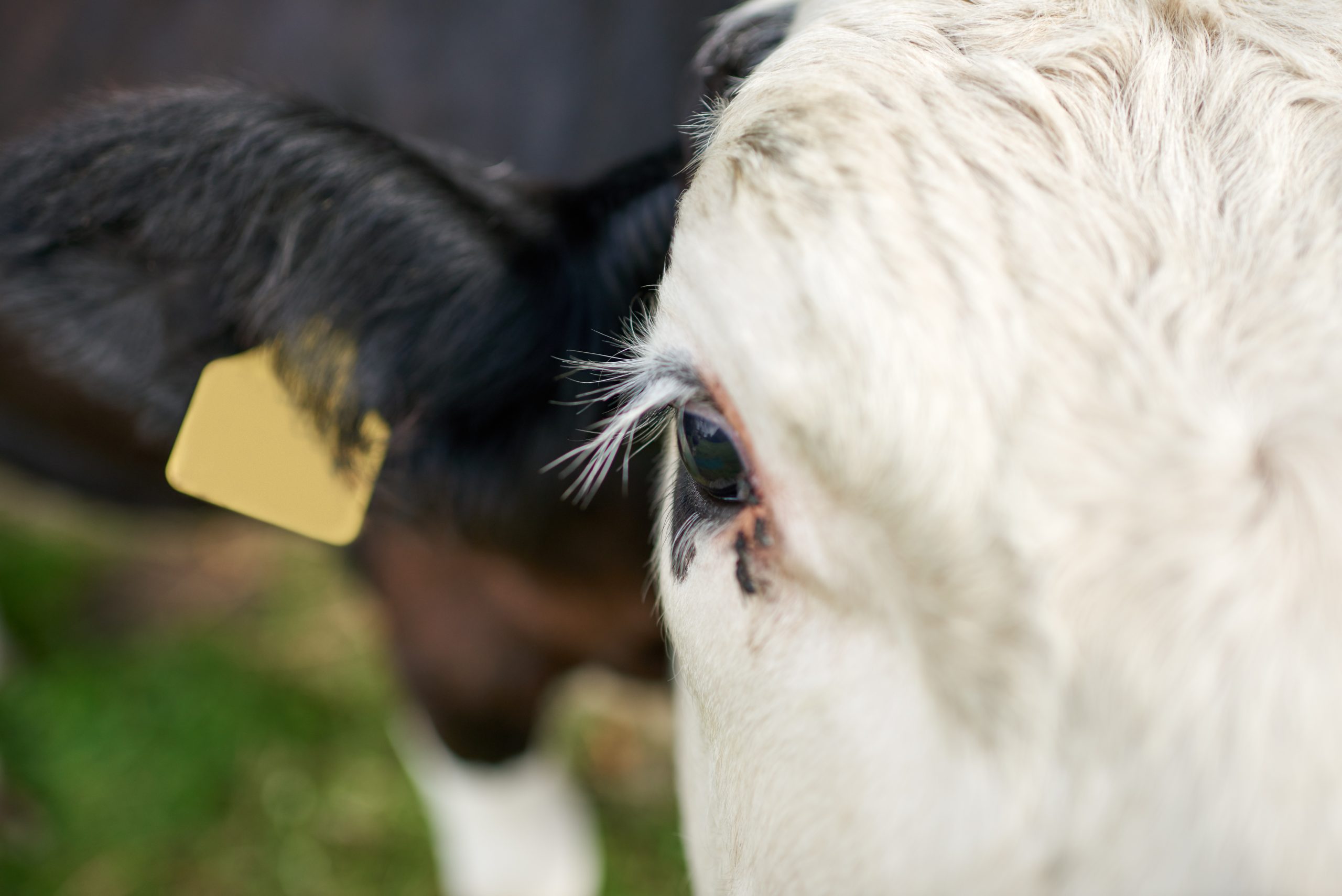
Bluetongue has been detected in a sixth herd in Co. Wexford, the Department of Agriculture, Food and the Marine (DAFM) has confirmed.
In addition, two bluetongue virus serotype 3 (BTV-3) positives have been detected in the last two days from post-abortion sampling.
One is from a herd in Co. Louth (post-abortion blood sample positive) and another from a herd in Co. Wicklow (foetus submitted to Kilkenny regional veterinary laboratory).
Surveillance
A DAFM spokesperson said that the animals were identified in the context of ongoing surveillance testing.
"Epidemiological investigations are ongoing, including testing of additional cattle," the spokesperson said.
Further information is expected to emerge in the coming days.
According to the department in relation to bluetongue, analysis undertaken by UCD’s Centre for Veterinary Epidemiology and Risk Analysis "suggests that the incursion occurred on 23rd and 24th of September last year".
"This analysis will inform further targeted surveillance for BTV in coming months," the DAFM spokesperson said.
They added: "Early detection has been a crucial part of our strategy against the bluetongue virus.
"It is important to note that, because bluetongue is spread by midges, disease spread is less likely in the winter and early spring months.
"While animal movement controls may be required if the circumstances indicate it, right now the veterinary epidemiological risk assessment is such that animal movement controls are not necessary, based on the information currently available."
Since BTV-3 was first detected in Northern Ireland, a "robust set of additional surveillance measures" were put in place by DAFM in the republic.
"This system has worked by detecting the recent outbreaks. This additional surveillance is ongoing," DAFM added.
Trade
Ireland has lost its bluetongue-free status which has ramifications for trade.
The DAFM spokesperson said that the Canadian Food Inspection Agency has agreed an interim trade certificate with Ireland which will allow dairy exports to resume.
This is welcome news and follows the reopening of the Chinese market for exports of livestock hides and skins recently.
The department said it continues the renegotiation of Veterinary Health Certs (VHC) to facilitate ongoing trade which have been impacted by the loss of Ireland’s freedom from bluetongue, including live animal exports.
"Much progress has been made in this area, but work is ongoing in respect of some markets," the spokesperson said.
The department spokesperson added that farmers should stay vigilant.
Vaccines against BTV-3 are available in Ireland under licence, and farmers who are concerned should talk to their veterinary practitioner about whether vaccination is the right choice for their flock or herd, DAFM said.