Focus on calf sourcing, health and better genetics at major conference next week

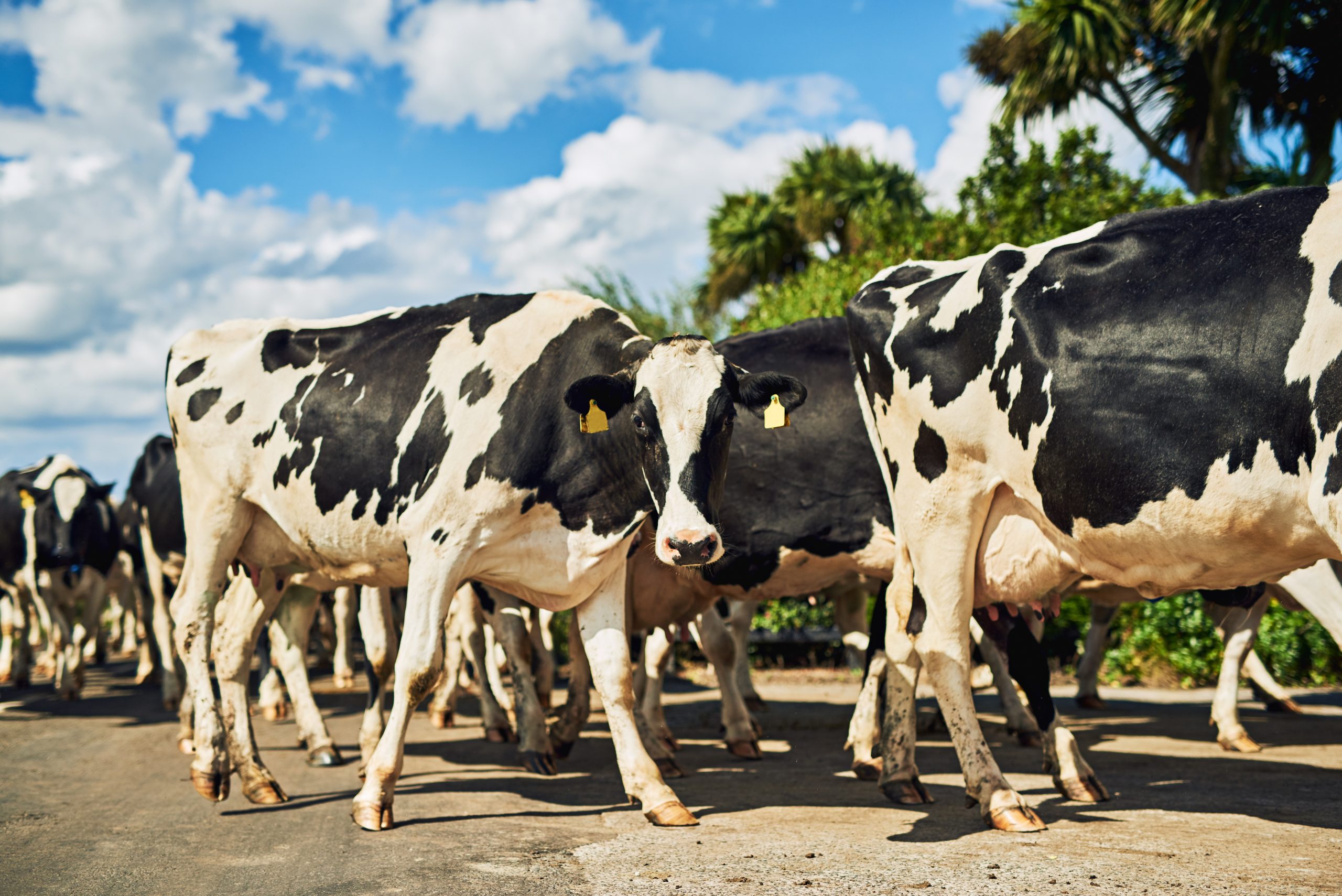
A number of expert speakers will address important areas of dairy calf-to-beef production at the the Teagasc DairyBeef 500 Conference 2026, taking place on Thursday January 29, at Ballykisteen Hotel, Co. Tipperary.
A panel discussion with farmers and advisors will discuss areas of focus for 2026 and also look back on the positives from 2025.
Alan Dillon, Dairy Beef 500 programme manager said: “2025 brought us the finished cattle prices we always needed and while they have dropped back a little bit in recent times, farmers are in a much stronger position than they were 12 months ago.
"While there are some issues that might bring disturbances in the year ahead, beef farmers who have set up resilient, low-cost, grass-based systems are in an excellent place to weather any storm that may lie ahead in 2026 and capitalise on the current beef prices that exist.”
Conference
Alan Dillon will open proceedings, outlining the profitability of demonstration farms in 2025 and the impact of increased calf prices on future profitability.
Chloe Millar, a Teagasc technician working on the Tipperary Dairy Calf to Beef Demonstration Farm, will outline the health protocols followed when procuring more than 420 calves annually.
Millar will also outline a collaborative purchasing formula when setting the price paid for calves from regular suppliers each year, such as calf weight on arrival and Commercial Beef Value (CBV), when setting purchase price.
Dr. Nicky Byrne, a livestock systems researcher at Teagasc Grange, will cover the Commercial Beef Value, examining its impact on cattle being reared to finish at both a national level and on the Teagasc research farms.
A panel discussion will follow with Peter O’Hanrahan, Teagasc DairyBeef 500 participant; Jack Spillane, farm manager at the Tipperary Dairy Calf to Beef Demonstration Farm; and Tommy Cox, advisor on the Teagasc DairyBeef 500 Programme.
This discussion will look back on farm performances in 2025, with a focus on herd health, weight gain and achieving targets within a grass-based system.
It will also consider the outlook for 2026, including rising calf prices and how farmers can future-proof their systems against potential volatility in beef markets.