Firefighting services sought for national parks and NPWS sites

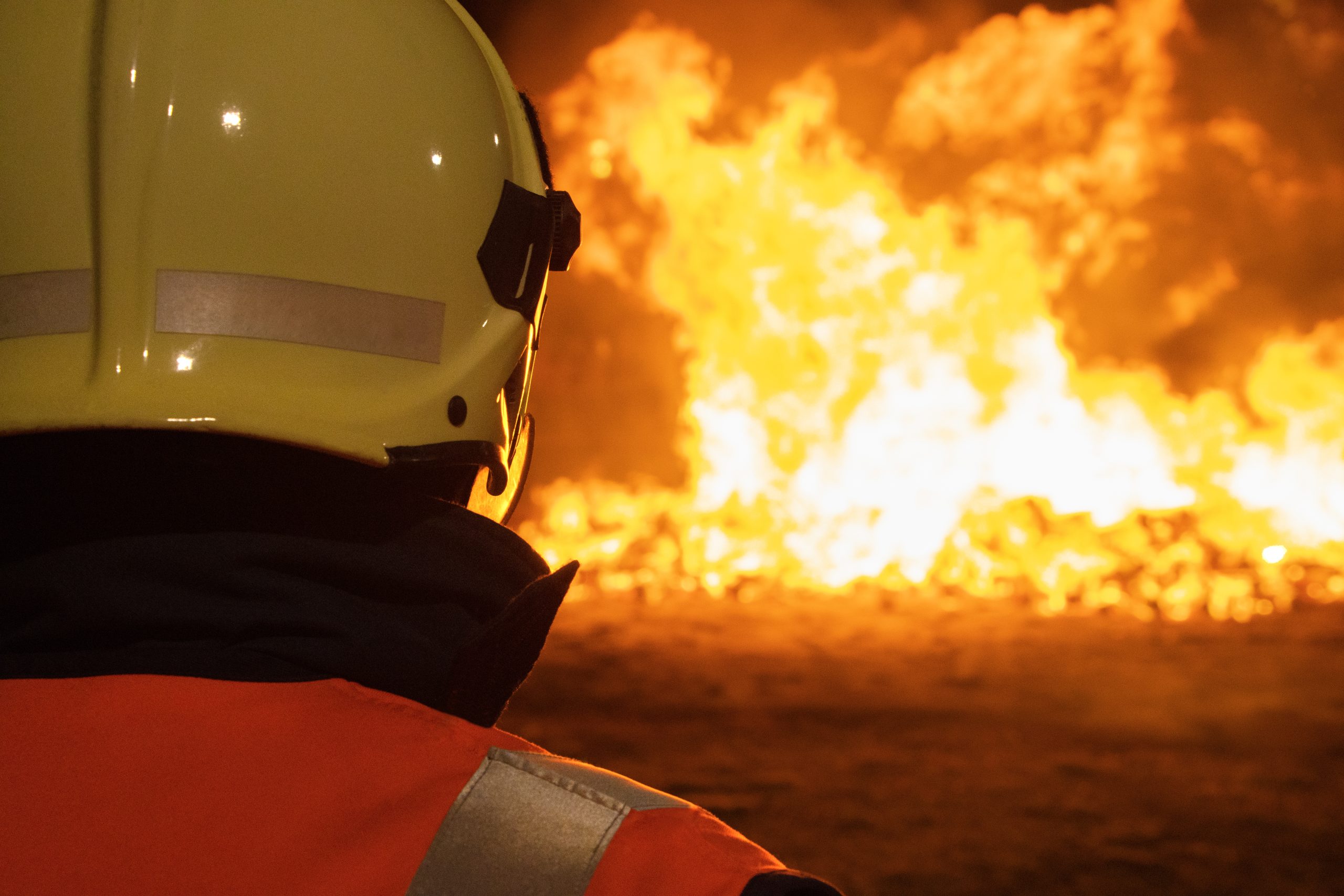
The National Parks and Wildlife Service (NPWS) is currently seeking tenders for fightfighting and related monitoring for its sites.
The NPWS is part of the heritage division of the Department of Housing, Local Government and Heritage.
The executive agency oversees the management of eight national parks and almost 80 nature reserves across the country.
Firefighting
The NPWS said it requires firefighting and related monitoring services annually from the beginning of May until the end of September.
According to the tender documents, these services include helping to extinguish fires at national parks and other NPWS sites and with water provision.
The successful tenderer will be expected to give "priority and precedence" to the requirements of the NPWS in the case of firefighting.
They will coordinate with NPWS staff and other firefighting bodies "in order to protect members of the public, nature and assets under the management of the NPWS".
The documents state that a Bambi bucket can be provided by the NPWS, if required, for aerial firefighting to scoop up and drop water using a helicopter.

Due to flight restrictions, it is expected that firefighting will be limited to daylight hours only. Standby is required seven days a week, the documents note.
The service provider will also assist NPWS regional staff in identifying and addressing any potential fire threats within lands managed by the NPWS.
The closing date to submit tenders for the 10-month contract, valued at an estimated €1.6 million excluding VAT, is midday on April 6, 2026.
NPWS
The NPWS noted that it currently intends to run one or more additional tender competitions for monitoring and protection of habitats.
It said this would cover "ongoing urgent issues" such as "the protection of designated peatlands and control of overgrazing by sheep on remote hills"; along with routine surveillance over large tracts of remote lands to protect designated areas.
The agency is also planning surveys of species, which are difficult to survey from the ground or sea, such as waterfowl, seals and deer; and habitats such as cliffs and uplands, which are difficult or slow to access by foot.