'Fear' farmers will go directly to abattoirs due to flat rate VAT change - senator

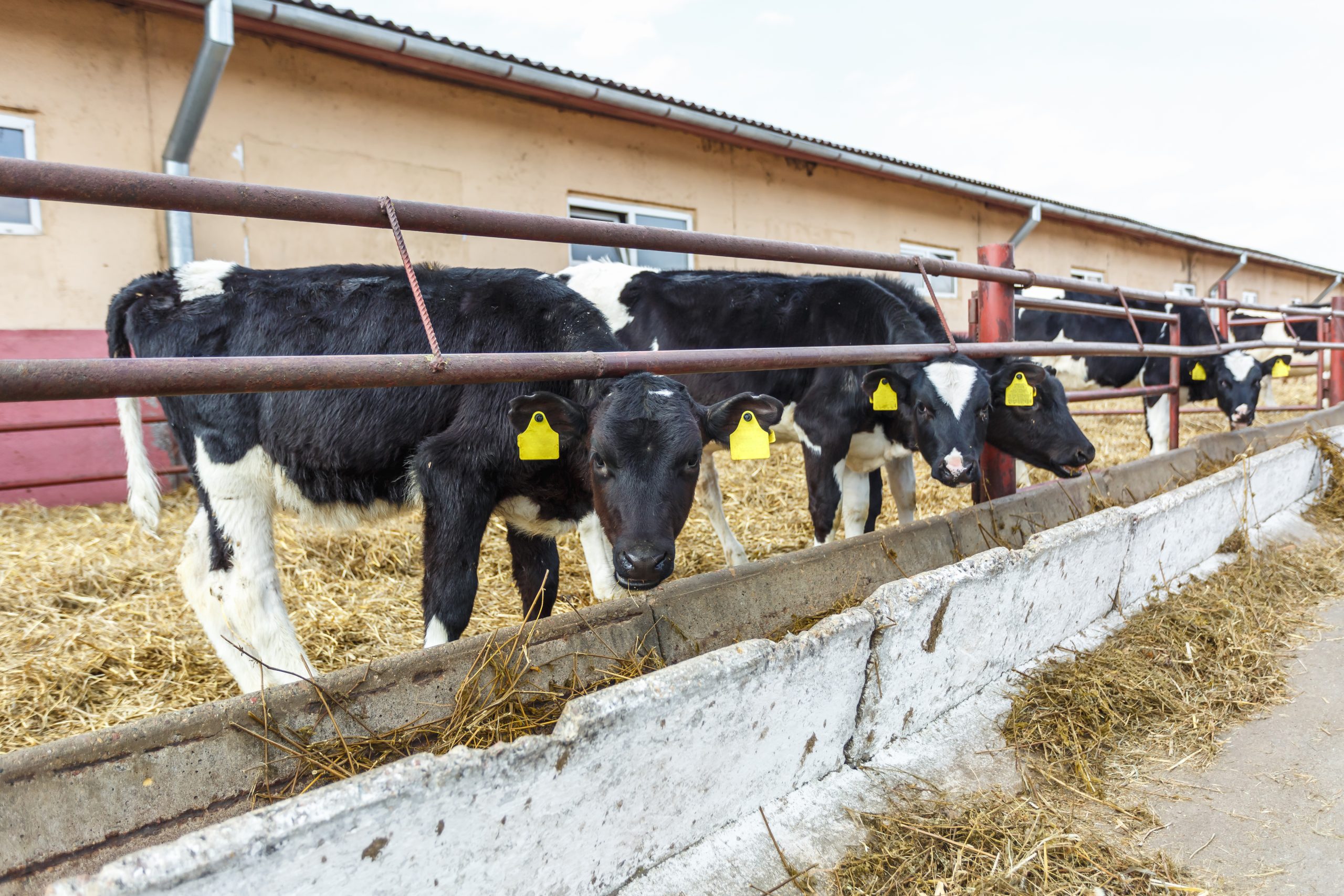
There is a "fear" that farmers will "go directly to abattoirs" instead of marts because of changes coming to the flat rate VAT scheme, the Seanad has been told.
Senator Paul Daly highlighted to senators the concerns raised with him by the Irish Co-operative Organisation Society (ICOS) about the future impact of changes to the scheme.
One of the measures set out in Budget 2026 is that the flat-rate scheme for farmers will be reduced from 5.1% to 4.5% from January 1, 2026.
According to Seanator Daly there is also a "livestock rate of 4.8% which did not change".
He told the Seanad yesterday (Tuesday, December 16): "Now that the 4.5% rate is obviously lower than the 4.8% rate, if I as a non-registered farmer go to the mart and sell that animal for €1,000, forgetting about commissions and all that, I will bring home €997.14 as a flat rate, whereas if I sell that animal to the abattoir, the factory, and get the same €1,000 price, I will bring home the €1,000.
"That is because the 4.5% rate is now lower than the 4.8% rate. When it was 5.1%, I would have brought home more than €1,000."
Senator Daly highlighted to the Seanad "how important the local mart is to the local economy of the area where it is based".
VAT
He also said there is a proposed amendment to the Finance Bill that the flat rate and the livestock rate could be "brought together and equalised going forward".
"The flat rate is decided based on the macroeconomic data from the Central Statistics Office (CSO) and a decision is made by the Minister for Finance with Revenue.
"It is a similar process for the livestock rate.
"It is not a mad proposal that somebody would look at the potential of coupling them going forward. It would avoid all anomalies going forward if the flat rate was equivalent to the livestock rate," Senator Daly added.
Minister for Finance
In response the Tánaiste and Minister for Finance, Simon Harris, told the Seanad that the farmers' flat rate scheme "is reviewed each year in the run-up to the budget in accordance with criteria set down in the EU VAT directive".
The Minister for Finance added: "There are two points that I would put out there for further discussion.
"First, what would the direct benefit be to the business when VAT is neutral from a business perspective because businesses can reclaim it?
"Second, while we will obviously take the views of the marts seriously and work our way through this together, the benefit of linking it to the flat rate might seem appealing when that flat rate is going down but what if it is going in the other direction," he asked.
The minister said the government's tax strategy group "can certainly tease through all of these issues in advance of the next budget".
ICOS
Meanwhile ICOS said today (Wednesday, December 17) that the majority of farmers are not registered for VAT.
It said that proposed reduction to the flat-rate scheme"means that non-VAT registered farmers will no longer be fully compensated for VAT in all circumstances".
ICOS said it had sought a clarification from the Department of Finance on the issue and also wants to highlight to the department that "non-VAT registered farmers will be disadvantaged by these technical VAT machinations in the Finance Bill 2026".