Farmers urged to 'act fast' on BVD this spring

This busy spring calving season, Animal Health Ireland (AHI) is urging industry to work together to "finish the job" on bovine viral diarrhoea (BVD) eradication.
AHI said Ireland is "now closer than ever" to achieving BVD freedom and key to this major milestone is acting quickly to identify and remove remaining positive animals.
Thanks to the "commitment and leadership" shown by farmers over the past decade, Ireland has made remarkable progress in tackling BVD, AHI said.
The number of infected breeding herds has fallen dramatically from a peak of over 11% to just approximately 200 herds nationally during 2025.
Need for speed
However, AHI warns that speed is now of the essence if Ireland is to move decisively towards BVD freedom.
“Farmers have played a huge role in getting us to this point, and we are very close now," Dr. Maria Guelbenzu, AHI BVD programme manager said.
"This is a testament to collective effort, responsibility and persistence across the sector.
“One big push this year, starting at the peak spring calving season, can bring us extremely close to BVD freedom.
"Every calf tested quickly, and every positive animal removed promptly, makes a real difference - this is about protecting the progress that has been made and finishing what we started."
AHI is strongly encouraging farmers to act without delay by following four simple but vital steps:
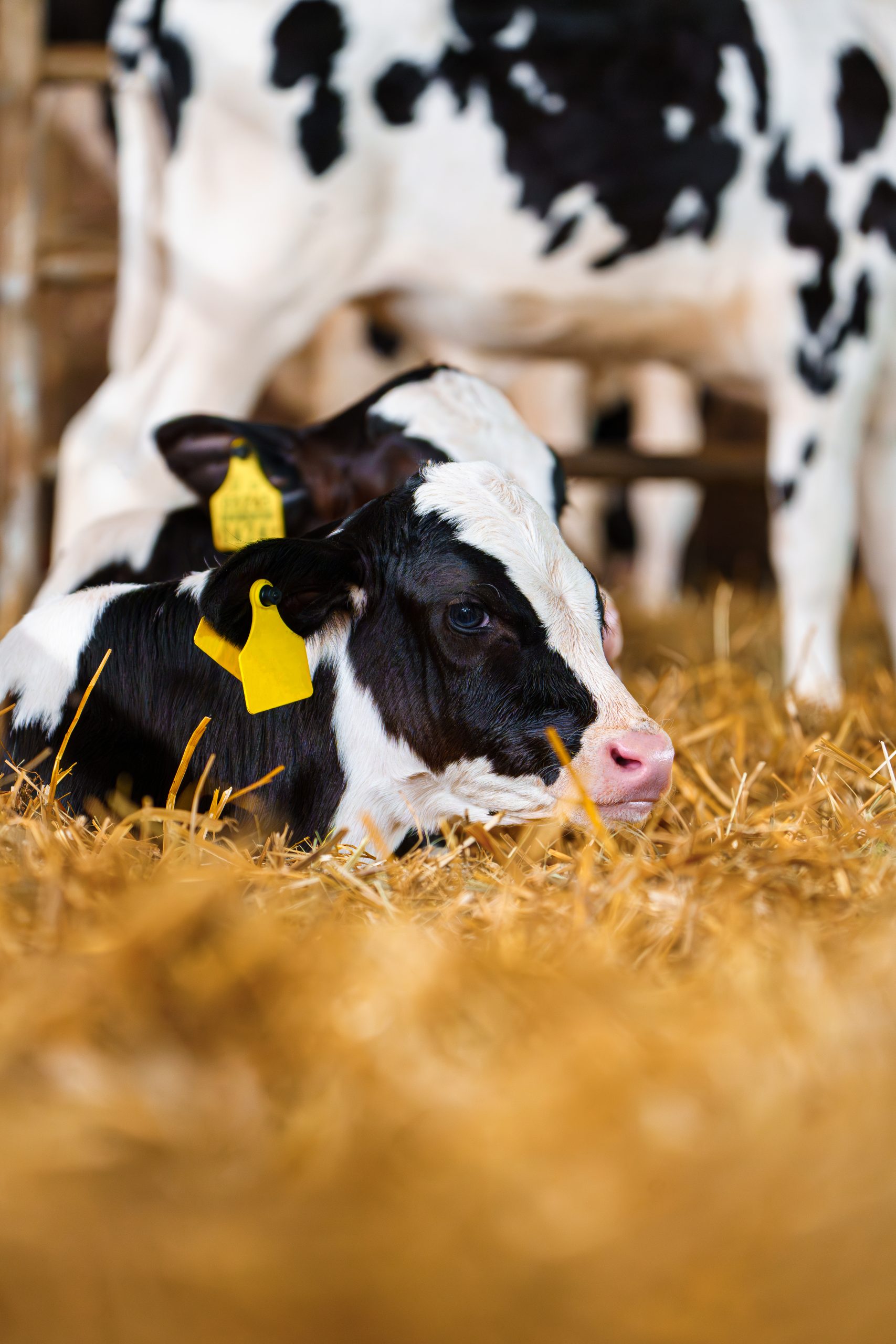
- Tag calves promptly at birth;
- Bag the tissue sample correctly;
- Send it for testing as soon as possible;
- Remove any virus positive calves immediately.
Progress
Minister for Agriculture, Food and the Marine, Martin Heydon recently said it is important that as Ireland moves towards BVD freedom, "we remain vigilant in ensuring our efforts to eliminate this disease from our farms ultimately succeed".
Responding to a recent parliamentary question from Independent TD for Offaly Carol Nolan on the progress made on BVD, the minister said there has been a "continued improvement in reducing the BVD prevalence under the programme in place since 2013".
"Since the start of the programme the number of BVD-positive herds has decreased from 11,000 to approximately 200," Minister Heydon said.
"My department provides a variety of supports as part of the BVD eradication programme.
"Among these are financial supports to dairy and beef farmers in respect of herds that disclose one or more animals with BVD test positive or inconclusive test result and for those adversely affected farms where at least 12% of the number calves born in a given year are affected.
"In addition, the BVD tag testing transition to freedom scheme provides for a payment €3.50 per calf directly to farmers based on calves registered, up to a maximum of 25 calves per herd in acknowledgement of the continued requirement for tissue testing.
"In 2025, €3.17 million was paid to 56,936 applicants."
He said the department will continue funding the financial support operated by AHI under the Targeted Advisory Service in Animal Health (TASAH) which includes BVD epidemiological investigation and activities related such as vaccinations, sampling and testing free of charge for dairy/beef farms affected by BVD.
"Under the programme, herds with a BVD positive or inconclusive animal must vaccinate all female animals and breeding bulls aged 12 months or over as well as carry out vaccination in the following year," the minister added.
"Consideration of vaccination of herds that do not have a BVD positive or inconclusive animal should be discussed between a farmer and their private veterinary practitioner."