Farmers 'haemorrhaging money on spring beef prices'

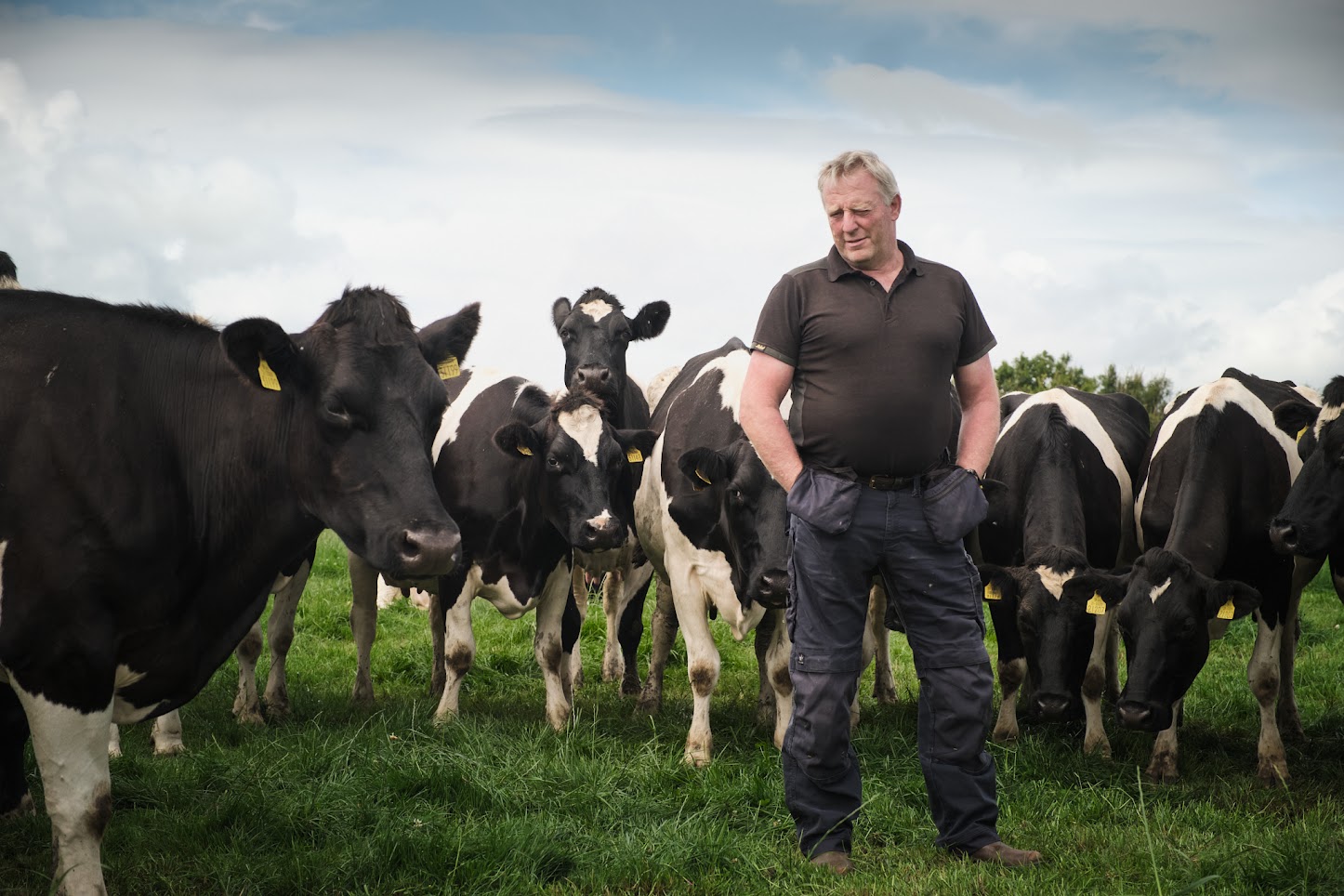
Farmers are "haemorrhaging money on spring beef prices", according to the Irish Creamery Milk Suppliers' Association (ICMSA).
Chairperson of ICMSA’s livestock committee, Michael O’Connell has criticised a "lack of transparency and rationale behind this week’s price cut at the hands of the beef processors".
O’Connell said that beef price has been hovering around €7-7.10c/kg for steers and €7.10-20c/kg for heifers, with this week’s price cuts moving them down to a level he described as "sub-optimal".
O'Connell said he is "even more alarmed by reports that some processors are actively considering a cut of a further 10c/kg as we head into next week", with some western plants "talking of cuts of up to 20c/kg".
Cuts to beef prices
“No farmer can afford to take these cuts which, on a load of bullocks at an average carcass weight for 2025 of 347kg, a 20c/kg price cut is the equivalent of €1,000 on 15 cattle," O'Connell said.
The ICMSA said that the average Irish R3 steer is "lagging 25c/kg behind its UK counterpart".
"The importance of the trade to Northern Ireland reopening is massive to our beef trade - we need northern customers around the rings buying beef cattle," O'Connell said.
"There needs to be pressure put on the processors by a buying option that’s outside their control."
'Hammering winter finishers'
The ICMSA livestock chairperson also noted that a lot of store cattle that were bought when beef price was hovering around €7.70-€7.80c/kg are now selling at €6.90-€7.00c/kg and "completely hammering winter finishers".
O’Connell cited a case of a farmer who "slaughtered top quality R+ and U grade heifers as well as selling store bullocks for grass".
“Same age cattle, 100kg in the difference liveweight, the heifers being the heavier after being intensively fed," O'Connell said.
"The heifers returned €50 per head less than the store bullocks despite being a 100kg heavier.
"Is this not a clear indication of where the beef trade is at; where store cattle are making more than beef?”.
Incomes
O'Connell warned that farmers are "not financial institutions - we cannot keep churning out money and not having a return".
"2025 was an exceptional year but 2026 is going to be a more important year in beef farming to protect farmers’ incomes," he continued.
"The only saving grace on [the] farmers' side is that meal prices have been quite stagnant of late, but who knows what effect the war on Iran will have in relation to energy costs for manufacturing?
"We have to move to a more stable system where farmers can produce beef with some degree of certainty about the price they’ll be receiving."
O’Connell believes that "a long hard look is going to have to be directed" at winter finishing going forward.
“We can all look at profit monitors, cost of production templates, etc; but at the end of the day, the price we are paid for our cattle versus what we receive is what gives the farmer the income to keep going," he said.
"The outsize influence factories have over live and slaughter trade is detrimental to the industry - and, ultimately, to themselves.
"Although, the massive peaks and troughs we were used to in the spring and autumn supply price are not as apparent as previously due to the massive impact live trade has had on supply domestically."
O'Connell said that the ICMSA has asked the processors to "come forward and explain the rationale behind a price cut - whether it was market-driven or supply-driven".
"We understand everyone has a business to run but you have to show respect for the people who calve the cows, who rear the calves, who feed the stores and fatten the cattle, because without these people, you have nothing," he said.