Farmer training event to highlight importance of water quality

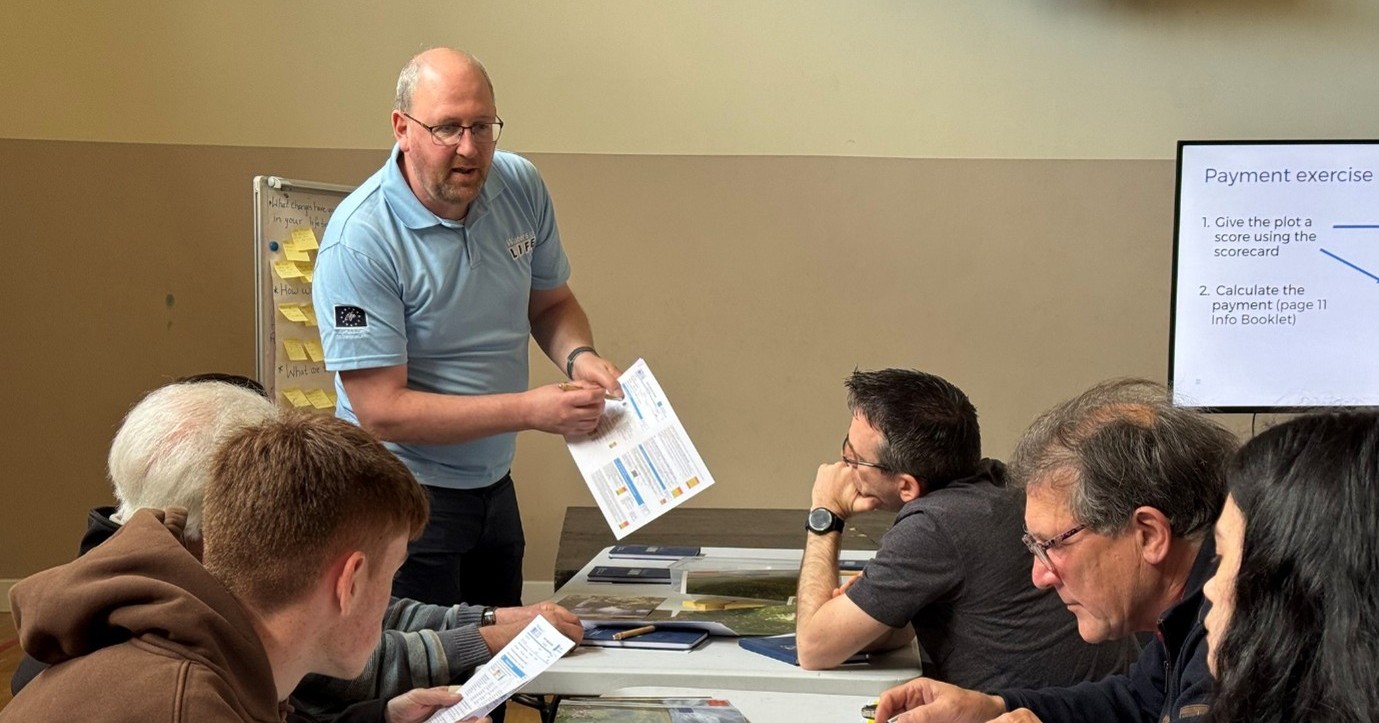
Farmers in the Islands river sub-catchment of north-east Co. Galway and west Co. Roscommon have been stepping up their efforts to improve the health of local rivers.
Participants of the Waters of LIFE agri-environmental programme pilot will undertake training to assess the risk of pollutant runoff from their farms at a training event in Co. Galway this week.
It is the latest in a series of training events run by the project to help farmers play their part in protecting and improving water quality.
According to Waters of LIFE, around 100 farmers in the local area are participating in the EU-funded project.
In total, there are 263 farmers active in the pilot across the sub-catchments in Clare, Cork, Galway, Roscommon and Wicklow.

The agri-environmental programme pilot detailed that €103,304 has been paid to farmers in Year 1 of the programme to date.
That includes payments for participating in training, hosting knowledge transfer events, and working with advisers to assess runoff risk on their farms.
More significant remittance is expected in early 2026, when farmers will receive payments based on the nature quality of their farms, according to the pilot.
Waters of Life
Total payments for year 1 farmers, including general actions, are projected to exceed €1 million.
According to the programme, over 360 expressions of interest have been received for Year 2 participation in the Waters of LIFE agri-environmental programme.
Submissions will need to be verified by the Department of Agriculture, Food, and the Marine (DAFM) to gain entry to the scheme.
Project catchment scientist for the Islands river sub-catchment, John Kelly said: "We’re aiming to get roughly a third of all eligible farmers volunteering for the programme.
"Our project is working to tackle water quality pressures such as forestry, peat and hydromorphology, but getting that number of farmers involved means we can really look at agriculture as well."
The training event on Thursday (December 11) will aim to help farmers to assess the risk of nutrients and sediment being lost from their farmland by overland flow, and identify supporting actions that may be appropriate for installation on farms to reduce this risk.